ACHR News
search
Ask ACHR NEWS AI
cart
facebook twitter instagram linkedin youtube
  • Sign In
  • Subscribe
  • Sign Out
  • My Account
ACHR News
  • NEWS
    • Breaking News
    • New HVAC Products
    • Featured Products
    • Manufacturer Reports
    • HVAC Data
    • Legislation
    • ACHR NEWS Centennial
  • RESIDENTIAL
    • Air Conditioners
    • Furnaces
    • Residential Heat Pumps
    • Ductless
    • Residential IAQ
    • Testing, Monitoring, Tools
    • Components & Accessories
  • COMMERCIAL
    • Air Handlers
    • Rooftop Units
    • Chillers and Cooling Towers
    • Commercial Heat Pumps
    • Boilers and Hydronics
    • VRF/Ductless
    • Commercial IAQ
  • REFRIGERATION
    • Refrigerants
    • Refrigerant Regulations
    • Leak Management
  • CONTRACTOR PRO
    • Geothermal
    • Homeowner Study
    • VRF and VRV Ductless
    • Unitary Trends
  • EDUCATION
    • Training and Education
    • Business Management
    • Service and Maintenance
    • Continuing Education
    • Market Research >
      • HVAC Brand Awareness Report
      • VRV, VRF, VRVZ Report
      • Unitary Trends Report
      • Water Heat Professionals Report
    • Webinars
    • Sponsor Insights
    • eProducts Info
    • White Papers
  • EVENTS
    • HVAC Contractor Forum
    • Industry Events and Webinars
  • MEDIA
    • Videos
    • AHR Expo 2025 Videos
    • Podcasts >
      • ACHR News Podcast
      • HARDI Podcasts
      • AHR Expo Podcasts
      • ACCA Podcasts
    • Interactive Spotlights
    • Quizzes
    • eBooks
    • HVAC Talkback
  • HVAC GROUP
    • ACHR NEWS >
      • Current Issue
      • Digital Edition
      • Subscribe
    • Distribution Trends
    • SNIPS NEWS >
      • Join SNIPS NEWS
    • Engineered Systems News >
      • Join ES News
    • HVACR Directory
    • Contests
    • Newsletters
    • Contact
    • Advertise
    • My Account
HVAC ContractingNewsService and Maintenance

Mold Remediation in HVAC Units: Dealing with Hurricane Flooding

By Sue Hoffmann
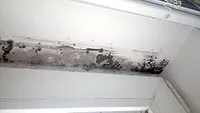
Mold Remediation
MOLD REMEDIATION: In areas that are easier to access, such as furnaces, HVAC units, and vents, contractors can use forced air machines to knock mold off the surfaces, then HEPA vacuums draw the mold spores in, filter them out of the air, and exhaust the clean air out of the contained area. (Courtesy of Jon Moore | Unsplash)
July 29, 2023

Each year, residents in the Caribbean and the southeast coast of the U.S. brace for hurricane season. Some years, residents breathe a sigh of relief that the storms stayed off in the Atlantic. Last year, thousands in Puerto Rico, Florida, and even Eastern Canada did not have that luxury. Hurricanes Ian and Fiona left devastation in their wake. Current estimates put hurricane Ian’s damage at $114 billion. Hurricane Fiona stripped Puerto Rico of power for days. Together, the two storms resulted in over 156 deaths.

The effects of hurricane season are wide-ranging. Images of destroyed homes, neighborhoods, and cities fill the news. However, for some, they experience the devastation of a hurricane in a way that, although it doesn’t make the news, certainly makes an impact: Mold, the aftermath of flooding.

As hurricanes approach, many homeowners and business owners wisely evacuate the area to protect themselves and their families. However, being far from home gives mold plenty of time to grow. With an incubation period of only 24-48 hours, stopping the spread of mold growth after hurricane flooding is extremely difficult. More often than not, after hurricanes strike, the task at hand is dealing with mold that has already grown rather than preventing it. Contractors face the challenge of not only having to remediate mold visible to the naked eye but also mold that has grown in spaces like HVAC systems. Tackling this challenge requires expertise.


Five steps to dealing with mold in HVAC units

  1. Dry the building — Most molds require four things to survive: water, food, darkness, and temperatures above 50°-60℉. Hurricanes provide ideal conditions for all four of these. The first step to dealing with mold after flooding is to extract the water. After a hurricane, there may be standing water throughout a building. To remove this, contractors use extraction equipment that functions as portable sump pumps and wet/dry vacuums. As mold thrives off moisture, removing the standing water is critical. Though this process begins with the flooring, it can extend to anywhere that water is sitting, HVAC systems included.
    After removing large volumes of standing water with portable extraction equipment, contractors begin to dry the building using air movers. These air movers come in a variety of sizes, but all of them share the same goal: evaporate the water in the building. As air movers evaporate water into the air, it might get to a saturation point. In this case, dehumidifiers are used to pull the water out of the air. During this process of blowing air and dehumidifying, contractors should continually test various surfaces with monitors to check if surfaces are as dry as they should be.
  2. Assess the mold growth — In some cases, specifically when mold growth is limited, assessing mold growth may be the first step. However, when there is extensive flooding after hurricanes, and the question is not if there’s mold but how much mold, it can be better to begin with extracting water and drying the building before assessing the extent of mold growth. All the steps listed here require expertise; for this step, expertise comes from industrial hygienists.
    Their expertise is necessary for a few reasons. First, if there is mold, everyone in the building should wear personal protective equipment (PPE), and many homeowners and business owners will not have access to this. Second, sighting mold is not always easy, and testing for it requires specialized equipment. For instance, a homeowner might notice mold around the HVAC vents, spray some chemicals on them, and assume they have solved the problem. However, what shows on the outside is often only the tip of the iceberg. If there’s mold around the vents, it could very well be in the ductwork and furnace, not to mention the ceiling, floor joists, and drywall. And if these areas have mold, it’s highly likely that materials, such as furniture, carpets, and drywall, will as well because they are much more porous. Unfortunately, removing mold from these porous surfaces is very difficult; in most cases, drywall, furniture, and more will need to be torn out.
  3. Contain the affected areas — Depending on how the water entered the building, mold growth could be localized. In this case, it’s critical to contain the spread of mold. If mold is inside parts of the ductwork, contractors must seal off HVAC vents around the affected areas to keep air from blowing into other rooms. Furthermore, contractors should establish negative pressure containment areas wherever they’re working on mold remediation. For instance, if they are remediating mold on an HVAC vent in the living room of a house, they could use modular containment walls or poly sheeting to seal off the area. Then, they would use a HEPA vacuum to pull the room under negative pressure, filter the air in the room, and exhaust the filtered air outside through ductwork.
  4. Determine whether to replace or clean the affected HVAC materials — Just as drywall and other materials with porous surfaces may need to be removed, it's better to replace ductwork than remediating it in some cases. With flexible ductwork, removal is often necessary. However, metal ducting is more amenable to remediation. In some scenarios, even if contractors need to replace the ductwork, they can remediate the vents and plenum.
  5. Remediate the mold — The final and most important step is remediating the mold. Contractors use a variety of techniques to do this. In areas that are easier to access, such as furnaces, HVAC units, and vents, contractors can use forced air machines to knock mold off the surfaces, then HEPA vacuums draw the mold spores in, filter them out of the air, and exhaust the clean air out of the contained area. However, not all areas are easy to access. Ductwork specifically can be especially hard to reach. In these cases, air whips on long poles knock mold off the surfaces, and then HEPA vacuums capture the dirty air. In addition to these mechanical processes, there are also EPA-approved chemicals that contractors can spray into HVAC systems to kill the mold. When performing any of these tasks, and especially when using chemicals, it is vital to ensure that the affected area is sealed off from adjacent spaces.


Key considerations

The above steps outline the process of mold remediation in HVAC systems. However, as with most things, it’s easier said than done. When doing mold remediation, look for experts with relevant certifications and a track record of success. The Institute of Inspection Cleaning and Restoration Certification (IICRC) provides industry standards for mold and flood remediation (S520 and S500, respectively). If a contractor isn’t familiar with these, find one who is.

Furthermore, make sure they’re equipped with the necessary air movers, dehumidifiers, HEPA vacuums, and more to do the job correctly. When it comes to mold, the principle of the tortoise and the hare rings true — slow and steady wins the race. Taking the time to do the job thoroughly always beats rushing through it and finding that the mold has continued to grow beneath the surface, creating an even more significant problem in the long run.

Looking for quick answers on air conditioning, heating and refrigeration topics? Try Ask ACHR NEWS, our new smart AI search tool. Ask ACHR NEWS →

KEYWORDS: hurricane preparedness mold control

Share This Story

Looking for a reprint of this article?
From high-res PDFs to custom plaques, order your copy today!


Sue Hoffmann is the regional sales manager at Abatement Technologies. For nearly 20 years, she has helped countless hospitals and contractors protect patients by improving indoor air quality.

Recommended Content

JOIN TODAY
To unlock your recommendations.

Already have an account? Sign In

  • HVAC-enrollment

    The Trades Are Back: HVACR Programs See Nearly 30% Enrollment Spike

    A new wave of future technicians is entering the pipeline.  
    Training and Education
    By: Matt Jachman
  • 2025 Top 40 Under 40

    2025 Top 40 Under 40 HVACR Professionals List

    The 11th annual Top 40 Under 40 list highlights those...
    News
    By: Hannah Belloli-Oster
  • LG Ductless Mini-Split Systems

    The 9 Types of Heat Pumps

    As the U.S. moves toward electrification, heat pumps are...
    HVAC Residential Market
    By: Joanna R. Turpin
Subscription Center
  • Create an Account
  • Start a Subscription
  • Manage My Account
  • Sign Up for Newsletters
  • Visit Customer Service
  • Update Preferences

More Videos

Sponsored Content

Sponsored Content is a special paid section where industry companies provide high quality, objective, non-commercial content around topics of interest to The News audience. All Sponsored Content is supplied by the advertising company and any opinions expressed in this article are those of the author and not necessarily reflect the views of The News or its parent company, BNP Media. Interested in participating in our Sponsored Content section? Contact your local rep!

close
  • Piggy Bank
    Sponsored byWatercress Financial

    Energy Prices, Inflation, and HVAC: What Today’s Homeowners Care About

  • Refrigerated Food
    Sponsored bySolstice Advanced Materials

    R-455A Refrigeration: A Cold Storage Solution for the Future

  • Airex Rooftop Units
    Sponsored byAirex Manufacturing Inc

    Consolidating Roof Penetrations: A Growing Trend in Multifamily HVAC Design

Popular Stories

Refrigerants-and-gauge.jpg

HVAC Industry Warns of Counterfeit Refrigerants Entering U.S. Supply Chain

U.S. Supreme Court building

95% Furnace Efficiency Rule to Get New Hearing

Data_Center_facility.jpg

HVAC Manufacturers Respond to Growing Data Center Backlash

Midea-training.jpg

HVAC Workforce Crisis Expands Beyond Technicians to Instructor Shortages

HVAC Minute retail refrigeration system

EPA Final Rule’s Impact on R-410A Deadlines

View The ACHR NEWS
Centennial Anniversary Timeline

The ACHR News Timeline Chart
Submit a Letter
Submit a letter to our editors.

Events

November 6, 2025

Next-Gen Data Center Cooling: HVAC Innovation and Real-World Solutions

On Demand As AI workloads and high-density computing push traditional cooling methods to their limits, the data center industry is accelerating the adoption of next-generation HVAC technologies.

June 23, 2026

HVAC Duct Sealing Mastics: Why Selection Matters

In this webinar we will detail what HVAC material buyers and technicians need to know when selecting duct mastics, including matching mastic to substrate, alternatives to liquid mastic, and where UL 181 Listings fit into real world installations.

View All Submit An Event

Poll

Summer Staff

Are you fully staffed for the summer season?
View Results Poll Archive

Products

BNI Mechanical/Electrical Square Foot Costbook, 2026 Edition

BNI Mechanical/Electrical Square Foot Costbook, 2026 Edition

See More Products
HVAC Duct Sealing Mastics: Why Selection Matters - Free Webinar - 6/23/2026

Related Articles

  • Mold Remediation - The ACHR News

    Interested in Mold Remediation?

    See More
  • UV lamp kit disinfects moving air streams in HVAC units

    See More
  • Nov. 3, 2014: Proper Use of Negative Air Machines in Mold Remediation Explored by IAQA

    See More

Related Products

See More Products
  • Building Information Modeling: Planning and Managing Construction Projects with 4D CAD and Simulations

  • HVAC/R Electrical Troubleshooting: Deciding where to begin DVD

See More Products

Events

View AllSubmit An Event
  • September 14, 2013

    Mold Remediation Certification Course

    Ever wonder what the next step is after a mold sample comes back from the lab with high results or you see visible mold?
View AllSubmit An Event

Related Directories

  • Goodway Technologies

    Boiler/chiller/condenser tube cleaners, duct cleaners, vacuums, industrial descalers, drain cleaners, hi-pressure washers, dry steam cleaners, surface sanitation, testing instruments, cooling tower cleaners, coil cleaners and mold remediation equipment.
×

Sign Up. Stay Informed.

The #1 trusted source for the HVACR industry since 1926

SUBSCRIBE
  • RESOURCES
    • Advertise
    • Contact Us
    • Advisory Board
    • Classifieds
    • Submit a Letter
    • Directories
    • Store
  • ACCOUNT CENTER
    • Create an Account
    • Start a Subscription
    • Manage My Account
    • Sign Up for Newsletters
    • Visit Customer Service
    • Update Preferences
  • SERVICES
    • Marketing Services
    • Reprints
    • Market Research
    • List Rental
    • Survey/Respondent Access
  • STAY CONNECTED
    • LinkedIn
    • Facebook
    • Instagram
    • YouTube
    • X (Twitter)
  • PRIVACY
    • PRIVACY POLICY
    • TERMS & CONDITIONS
    • DO NOT SELL MY PERSONAL INFORMATION
    • PRIVACY REQUEST
    • ACCESSIBILITY

Copyright ©2026. All Rights Reserved BNP Media, Inc. and BNP Media II, LLC.

Design, CMS, Hosting & Web Development :: ePublishing