ACHR News
search
Ask ACHR NEWS AI
cart
facebook twitter instagram linkedin youtube
  • Sign In
  • Subscribe
  • Sign Out
  • My Account
ACHR News
  • NEWS
    • Breaking News
    • New HVAC Products
    • Featured Products
    • Manufacturer Reports
    • HVAC Data
    • Legislation
    • ACHR NEWS Centennial
  • RESIDENTIAL
    • Air Conditioners
    • Furnaces
    • Residential Heat Pumps
    • Ductless
    • Residential IAQ
    • Testing, Monitoring, Tools
    • Components & Accessories
  • COMMERCIAL
    • Air Handlers
    • Rooftop Units
    • Chillers and Cooling Towers
    • Commercial Heat Pumps
    • Boilers and Hydronics
    • VRF/Ductless
    • Commercial IAQ
  • REFRIGERATION
    • Refrigerants
    • Refrigerant Regulations
    • Leak Management
  • CONTRACTOR PRO
    • Geothermal
    • Homeowner Study
    • VRF and VRV Ductless
    • Unitary Trends
  • EDUCATION
    • Training and Education
    • Business Management
    • Service and Maintenance
    • Continuing Education
    • Market Research >
      • HVAC Brand Awareness Report
      • VRV, VRF, VRVZ Report
      • Unitary Trends Report
      • Water Heat Professionals Report
    • Webinars
    • Sponsor Insights
    • eProducts Info
    • White Papers
  • EVENTS
    • HVAC Contractor Forum
    • Industry Events and Webinars
  • MEDIA
    • Videos
    • AHR Expo 2025 Videos
    • Podcasts >
      • ACHR News Podcast
      • HARDI Podcasts
      • AHR Expo Podcasts
      • ACCA Podcasts
    • Interactive Spotlights
    • Quizzes
    • eBooks
    • HVAC Talkback
  • HVAC GROUP
    • ACHR NEWS >
      • Current Issue
      • Digital Edition
      • Subscribe
    • Distribution Trends
    • SNIPS NEWS >
      • Join SNIPS NEWS
    • Engineered Systems News >
      • Join ES News
    • HVACR Directory
    • Contests
    • Newsletters
    • Contact
    • Advertise
    • My Account
HVAC ContractingTechnicalTraining and Education for Contractors

The Truth About Carbon Monoxide

What it is, how it is made, and the symptoms
By William Highley
CO-achr-NEWS

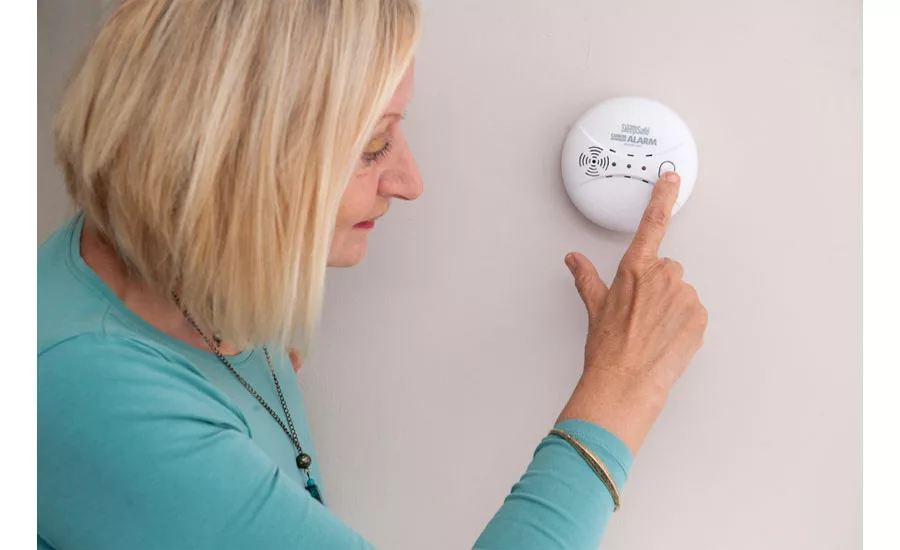
Photo courtesy of http://bit.ly/2UF5OnE
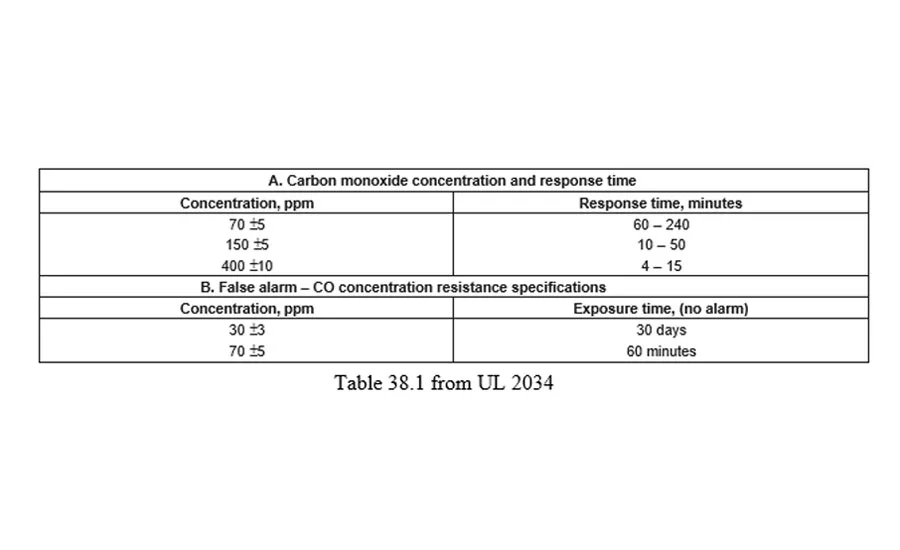
table-achr-NEWS
Table 1
CO-achr-NEWS
table-achr-NEWS
April 22, 2019

Carbon monoxide (CO) is a deadly, colorless, odorless, poisonous gas. It is produced by the incomplete burning of various fuels, including coal, wood, charcoal, oil, kerosene, propane, and natural gas. Products and equipment powered by internal combustion engines such as portable generators, cars, lawn mowers, and power washers also produce CO.

What is CO?

CO is caused by the combustion process and is actually unburned fuel that, if reignited, will burn and produce more heat. The ignition temperature for CO is 1,128°F.  If the CO is in the proper concretion, it can cause an explosion. 

When CO is breathed into the lungs, it bonds with the hemoglobin in the blood up to 200 more times tighter than oxygen, causing the body to shut down due to a lack of oxygen. This is akin to being chocked or suffocated.

CO poisoning symptoms mimic the common cold or flu. Symptoms include headaches, fatigue, weakness, muscle aches or pains, nausea or vomiting, confusion, memory loss, dizziness, incoordination, difficulty breathing, rapid heart beat, chest pains, and changes to sensory senstivity.

CO poisoning can also aggravate existing medical or genetic problems or cause existing problems to linger. Young children, the elderly, and those that have existing medical problems are more susceptible to the effects of CO poisoning and need to take precautions to ensure their safety.

Action Thresholds

There are certain levels that code and governmental officials use in determining what actions need to be taken to protect the public.

According to ASHRAE standards, 9 ppm is the maximum allowable concentration for continuous (24 hour) CO exposure (averaged over eight hours). This level is usually exceeded during rush hour in many urban areas of the nation due to vehicle emissions, according to the Environmental Protection Agency (EPA).

Looking for quick answers on air conditioning, heating and refrigeration topics? Try Ask ACHR NEWS, our new smart AI search tool. Ask ACHR NEWS →

Concentrations of 10 to 35 ppm present potential risks for the occupants of a building, according to the Building Performance Institute (BPI). This air quality goal is averaged over one hour. At this level, first responders need to utilize self-contained breathing apparatus when      responding and gaining access to the area.

According to the Occupational Safety and Health Administration, 50 ppm is the maximum allowable level for any continuous exposure during an eight-hour period.

The 36 to 99 ppm level is excessive and requires a medical alert. This condition must be mitigated. Ventilation after equipment shutdown is mandated. Any and all repairs need to be performed by qualified personnel. Occupants need to seek medical treatment.

At 100 to 200 ppm, 15 minutes is the maximum allowed exposure time. Occupants are strongly urged to seek medical treatment.

And when concentrations exceed 200 ppm, all government and emergency first responders treat this level as an evacuation action level.

While these levels will help to make us aware of high levels of CO, it does very little for low levels of CO in our living environment. All agency’s currently quote UL 2034 which rates how a detector senses CO in our environment. Sadly, this standard has been changed over the years to “stop false alarms” causing more and more potential for sickness to all of us.

Common Sources of CO in our Living Areas

Exhaust — Auto exhaust or equipment exhaust accounts for 60 percent of all CO poisonings in the U.S. These could be from warming up the car in the garage to running a grill or a generator in an enclosed space. Even if the door is open, it is not enough. The device that has the potential to produce CO needs to be located outside and away from the building.

Unvented appliances — Unvented appliances, such as gas ovens and stoves, fireplaces, and space heaters, account for 20 percent of all CO poisonings. While the homeowner is trying to save energy by only heating the areas of the house they are using, they are actually killing themselves. It has been shown that the two times of the year with the most CO poisonings happen around the holidays of Easter and Thanksgiving. When any fuel-burning appliance is being used to prepare food or to heat an area, it’s important to provide fresh air to that area.

Backdrafting appliances — Due to the recent energy cost increases, people are closing and tightening up their homes and buildings. This has caused a condition that allows air to be sucked into a structure by the most direct route possible. This route is usually the flue pipes that connect furnaces and water heaters to the outside of the structure to allow the products of combustion to be properly vented. When this happens, it is called backdrafting. Backdrafting accounts for 19 percent of all CO Poisonings.

Cracked or damaged appliances — Damaged or misfiring vented appliances only account for less than 1 percent of all CO Poisonings. Newer equipment, with all the safeties working properly and the equipment installed to manufactures’ and code instructions, the potential for CO poisoning has dropped significantly over the past 10 years.

The reason that we are hearing of more and more cases of CO poisonings is because we now have better and more affordable detection equipment, not to mention the public awareness has been raised due to news stories.

Detectors

Early detectors consisted of birds or other small animals that were taken into confined spaces, and it was the job of one person to watch what the animal did. If their behavior changed in any way, that was a sign that there was some kind of problem in the atmosphere and it was time to leave. The main problem was that we never knew what gas or gases were present or at what levels.

Today, all CO detectors are supposed to be rated by the UL. There is a type of detector that is called a low-level detector that is actually tighter than the rating system from UL. The rating system that most manufactures work toward is UL 2034 (Appendix 1).

Either a standard level stand-alone or monitored detector is now required by code for any new or replacement equipment installation. This was a step in the right direction.

2034 Detectors — CO Detectors that are UL listed must alarm according to the conditions outlined in Table 1. While these levels do provide some protection from poisoning, they are not the best. These detectors are set to stop the “nuisance” false alarms.

Low-Level CO Detectors — Low-level CO detectors start to indicate the presence of CO at a level of 1 to 5 ppm. At this level, they do not alarm, but they display the actual reading so that users can monitor the atmosphere before medical attention is required.

Conclusion

While CO poisoning has been around since mankind started using fire to cook food, provide heat, and improve their lives, it has been little understood. With the push to save energy and money, we are seeing more and more cases of CO poisoning. Therefore, it is absolutely critical to have quality CO detectors installed in every home and building.

Publication date: 4/22/2019

Want more HVAC industry news and information? Join The NEWS on Facebook, Twitter, and LinkedIn today!

KEYWORDS: carbon monoxide detectors safety and HVAC

Share This Story

Looking for a reprint of this article?
From high-res PDFs to custom plaques, order your copy today!


William Highley is the HVAC coordinator and an assistant professor at Columbus State Community College in Columbus, Ohio. He can be reached at whighley@cscc.edu.

Recommended Content

JOIN TODAY
To unlock your recommendations.

Already have an account? Sign In

  • HVAC-enrollment

    The Trades Are Back: HVACR Programs See Nearly 30% Enrollment Spike

    A new wave of future technicians is entering the pipeline.  
    Training and Education
    By: Matt Jachman
  • 2025 Top 40 Under 40

    2025 Top 40 Under 40 HVACR Professionals List

    The 11th annual Top 40 Under 40 list highlights those...
    HVAC Residential Market
    By: Hannah Belloli-Oster
  • LG Ductless Mini-Split Systems

    The 9 Types of Heat Pumps

    As the U.S. moves toward electrification, heat pumps are...
    HVAC Residential Market
    By: Joanna R. Turpin
Subscription Center
  • Create an Account
  • Start a Subscription
  • Manage My Account
  • Sign Up for Newsletters
  • Visit Customer Service
  • Update Preferences

More Videos

Sponsored Content

Sponsored Content is a special paid section where industry companies provide high quality, objective, non-commercial content around topics of interest to The News audience. All Sponsored Content is supplied by the advertising company and any opinions expressed in this article are those of the author and not necessarily reflect the views of The News or its parent company, BNP Media. Interested in participating in our Sponsored Content section? Contact your local rep!

close
  • An illustration shows a house with a geothermal heating system. Pipes are depicted running underground.
    Sponsored byClimateMaster

    Residential Tax Credits Are Ending, But Demand Continues

  • Piggy Bank
    Sponsored byWatercress Financial

    Energy Prices, Inflation, and HVAC: What Today’s Homeowners Care About

  • Refrigerated Food
    Sponsored bySolstice Advanced Materials

    R-455A Refrigeration: A Cold Storage Solution for the Future

Popular Stories

HVAC-Price-Increase-graphic

HVAC Price Increase List: July 2026

price-raising-practices.jpg

Rising Costs Force Contractors to Take a Harder Look at Pricing

DOE-sign.jpg

HVAC Groups Support DOE’s Rulemaking to Cut Energy Efficiency Mandates

Industry-Ethics_-Service-Calls.jpg

HVAC Contractor Agrees to $300K Settlement Over Alleged Deceptive Sales Practices

Data-Center-Inspection.jpg

Can HVAC Train Enough Technicians for the Data Center Boom?

View The ACHR NEWS
Centennial Anniversary Timeline

The ACHR News Timeline Chart
Submit a Letter
Submit a letter to our editors.

Events

November 6, 2025

Next-Gen Data Center Cooling: HVAC Innovation and Real-World Solutions

On Demand As AI workloads and high-density computing push traditional cooling methods to their limits, the data center industry is accelerating the adoption of next-generation HVAC technologies.

July 22, 2026

Designing VRF Systems Using A2L Refrigerant

In this session, we will cover how to design VRF systems for the U.S. market using new A2L refrigerants. These systems provide an advanced zoning solution by using inverter technology to deliver precise heating and cooling control across multiple zones and spaces.

View All Submit An Event

Poll

Summer Staff

Are you fully staffed for the summer season?
View Results Poll Archive

Products

BNI Mechanical/Electrical Square Foot Costbook, 2026 Edition

BNI Mechanical/Electrical Square Foot Costbook, 2026 Edition

See More Products
Designing Systems Using A2L Refrigerant - Free Webinar - 7/22/2026

Related Articles

  • Raising Awareness About Carbon Monoxide

    See More
  • Unearthing the Truth About Geothermal

    See More
  • The Truth about Pricing, Profits, & Value

    See More

Related Products

See More Products
  • Uncomplicating The Heat Pump: Electrical System Troubleshooting DVD

  • math.jpg

    Math for the Technician

  • Uncomplicating The Heat Pump: Refrigeration & Air Flow Systems DVD

See More Products

Related Directories

  • Respiro

    The CO/PRO from Respiro is a carbon monoxide shutoff-switch that monitors and turns off furnaces & water heaters to stop CO production at the source!
  • TOXALERT International Inc.

    Carbon Monoxide (CO), Carbon Dioxide (CO2), NO2 and other toxic gases, combustible gas detectors, refrigerant leak monitors and Control panels. IAQ. BACnet. Integration. Design.
×

Sign Up. Stay Informed.

The #1 trusted source for the HVACR industry since 1926

SUBSCRIBE
  • RESOURCES
    • Advertise
    • Contact Us
    • Advisory Board
    • Classifieds
    • Submit a Letter
    • Directories
    • Store
  • ACCOUNT CENTER
    • Create an Account
    • Start a Subscription
    • Manage My Account
    • Sign Up for Newsletters
    • Visit Customer Service
    • Update Preferences
  • SERVICES
    • Marketing Services
    • Reprints
    • Market Research
    • List Rental
    • Survey/Respondent Access
  • STAY CONNECTED
    • LinkedIn
    • Facebook
    • Instagram
    • YouTube
    • X (Twitter)
  • PRIVACY
    • PRIVACY POLICY
    • TERMS & CONDITIONS
    • DO NOT SELL MY PERSONAL INFORMATION
    • PRIVACY REQUEST
    • ACCESSIBILITY

Copyright ©2026. All Rights Reserved BNP Media, Inc. and BNP Media II, LLC.

Design, CMS, Hosting & Web Development :: ePublishing