ACHR News
search
Ask ACHR NEWS AI
cart
facebook twitter instagram linkedin youtube
  • Sign In
  • Subscribe
  • Sign Out
  • My Account
ACHR News
  • NEWS
    • Breaking News
    • New HVAC Products
    • Featured Products
    • Manufacturer Reports
    • HVAC Data
    • Legislation
    • ACHR NEWS Centennial
  • RESIDENTIAL
    • Air Conditioners
    • Furnaces
    • Residential Heat Pumps
    • Ductless
    • Residential IAQ
    • Testing, Monitoring, Tools
    • Components & Accessories
  • COMMERCIAL
    • Air Handlers
    • Rooftop Units
    • Chillers and Cooling Towers
    • Commercial Heat Pumps
    • Boilers and Hydronics
    • VRF/Ductless
    • Commercial IAQ
  • REFRIGERATION
    • Refrigerants
    • Refrigerant Regulations
    • Leak Management
  • CONTRACTOR PRO
    • Geothermal
    • Homeowner Study
    • VRF and VRV Ductless
    • Unitary Trends
  • EDUCATION
    • Training and Education
    • Business Management
    • Service and Maintenance
    • Continuing Education
    • Market Research >
      • HVAC Brand Awareness Report
      • VRV, VRF, VRVZ Report
      • Unitary Trends Report
      • Water Heat Professionals Report
    • Webinars
    • Sponsor Insights
    • eProducts Info
    • White Papers
  • EVENTS
    • HVAC Contractor Forum
    • Industry Events and Webinars
  • MEDIA
    • Videos
    • AHR Expo 2025 Videos
    • Podcasts >
      • ACHR News Podcast
      • HARDI Podcasts
      • AHR Expo Podcasts
      • ACCA Podcasts
    • Interactive Spotlights
    • Quizzes
    • eBooks
    • HVAC Talkback
  • HVAC GROUP
    • ACHR NEWS >
      • Current Issue
      • Digital Edition
      • Subscribe
    • Distribution Trends
    • SNIPS NEWS >
      • Join SNIPS NEWS
    • Engineered Systems News >
      • Join ES News
    • HVACR Directory
    • Contests
    • Newsletters
    • Contact
    • Advertise
    • My Account
Components & AccessoriesCompressors

Don’t Blame the Compressor

Determine the source of failure before installing a replacement
By Kimberly Schwartz
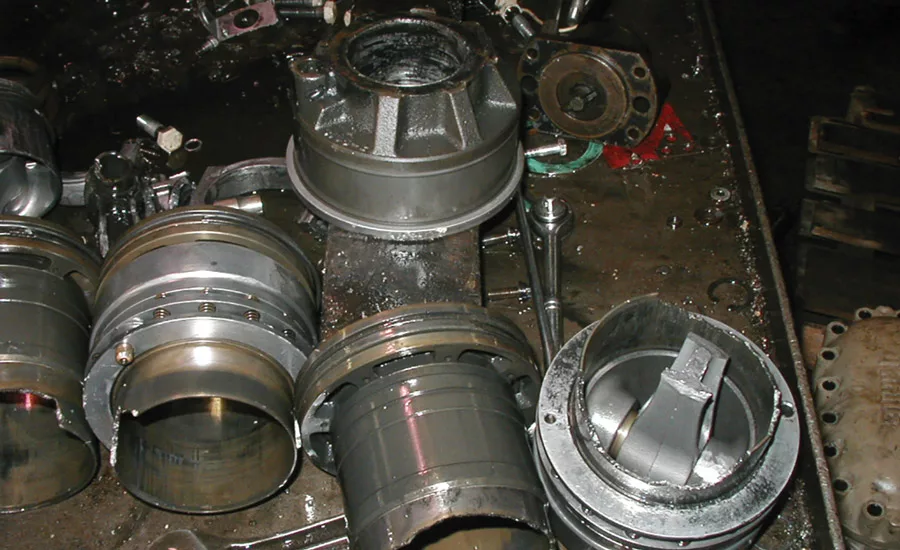
The two most common causes of compressor failure are loss of lubrication and slugging, according to Brainerd Compressor Inc.
AUTOPSY OF A COMPRESSOR: The two most common causes of compressor failure are loss of lubrication and slugging, according to Brainerd Compressor Inc.

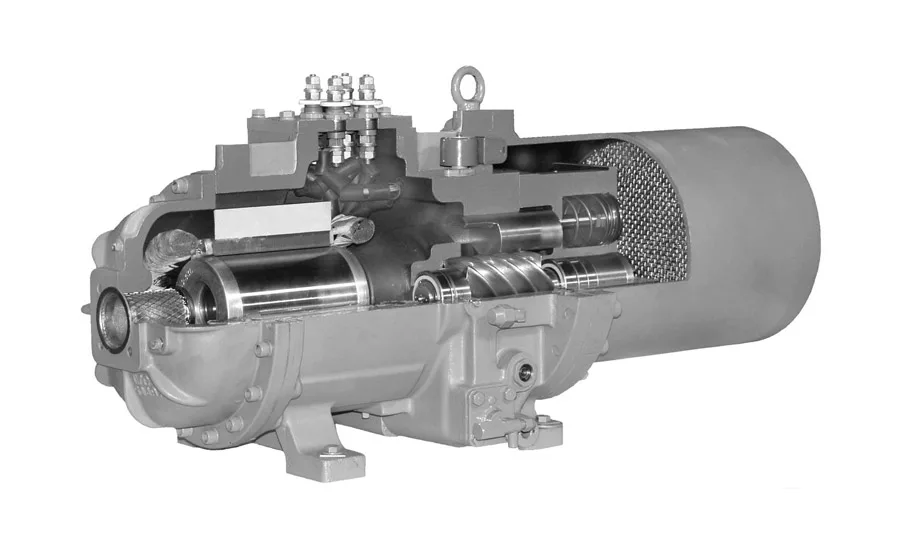
It is important to determine the cause of compressor failure to prevent the risk of exposing a replacement to the same conditions, according to AC Component Specialists Inc.

COMPRESSOR CUTAWAY: It is important to determine the cause of compressor failure to prevent the risk of exposing a replacement to the same conditions, according to AC Component Specialists Inc. 

The two most common causes of compressor failure are loss of lubrication and slugging, according to Brainerd Compressor Inc.
It is important to determine the cause of compressor failure to prevent the risk of exposing a replacement to the same conditions, according to AC Component Specialists Inc.
March 28, 2016

If a tech arrives on a job site, discovers a failed compressor, and installs a replacement without first trying to determine the source of the failure, he or she has done a gross disservice to that customer. Generally, industry leaders say, there’s a problem somewhere else in the system that caused the compressor to fail. That problem must be identified and fixed before a new compressor is installed or another failure is likely to occur.

FIND THE SOURCE

Ninety percent of compressor failures can be attributed to problems found elsewhere in the system, said Horace Park, vice president, technology, A1 Compressor. And, serious consequences can result if technicians don’t determine the true source of the compressor failure, he warned.

“Neglecting to find the root cause of the failure of the compressor will almost assuredly result in the failure of the replacement,” Park said. “Failing to take the time to diagnose the cause of the initial failure wastes everyone’s time, from the company that built the compressor to the service technician — not to mention the added cost for another replacement.”

Don Day, sales manager, AC Component Specialists Inc., explained why the risk of short-term failure is heightened when the cause of compressor failure is not properly examined.

“If the cause of the compressor failure is not determined, there is a high risk of exposing the replacement compressor to the same conditions, which may cause the replacement compressor to fail prematurely,” he said.

To prevent a replacement compressor from failing, Mike Bruno, a technical advisor at Brainerd Compressor Inc., said it’s important for technicians to start with the right mindset.

“The installer must go in with the belief that something in the system caused the first failure, and it’s imperative to find the source of that failure,” Bruno said.

Looking for quick answers on air conditioning, heating and refrigeration topics? Try Ask ACHR NEWS, our new smart AI search tool. Ask ACHR NEWS →

COMMON CAUSES OF FAILURE

When technicians do take the time to diagnose the cause of a compressor failure, two of the most common system problems they uncover are loss of lubrication and slugging.

According to Paul Stokes, another technical advisor at Brainerd Compressor Inc., loss of lubrication is the single most common cause of compressor failure.

“This lack of lubrication from flooding or a flooded start could result in main bearing, pump bearing, or rod bearings failing with a resulting lock-up of the compressor,” Stokes said. “The loss of lubrication can come from flooding, flooded starts, high oil temperature, loss of cooling, loss of superheat, TXV [thermostatic expansion valve] hunting that is oversized, and a Btu mismatch between the compressor and evaporator.”

Park said flooding often leads to a loss of lubrication.

“[Floodback] is refrigerant that, for one reason or another, does not boil in the evaporator and travels down the suction line and enters the compressor, thus thinning the oil out to the point where it loses its lubrication qualities,” he said.

Park reiterated that loss of lubrication causes rods and bearings to seize up and surfaces to wear to the point that the compressor locks up. He added that this should not happen if the oil safety switch is operating properly.

The second most common cause of compressor failure is slugging, Park continued.

“Essentially, a liquid, either oil or refrigerant that has been lying in the suction line or evaporator, enters the compressor, usually on startup, and can’t get out of the cylinder fast enough before something breaks — rods, gaskets, valves, etc.,” he said. “Compressors are not pumps. They move vapor. Pumps move liquids. The tolerances in compressors are too tight to pump a liquid.”

After floodback and slugging, Park said the major causes of compressor failure, in order of importance, include bad contactors, system leaks, dirty evaporators, dirty filters, dirty condensers, rapid loading/unloading, mis-wired/misadjusted controls, low superheat, and wrong oil for the system refrigerant.

While there are many potential sources of failure within a system, Stokes said the first thing a technician should check when trying to diagnose the cause of compressor failure is the system’s superheat. Then, he continued, they should check oil temperature, discharge temperature, motor temperature, motor amp/voltage imbalance, and pressure switches and safeties. (See the sidebar above for a checklist.)

Park also pointed out there is an array of information and support available to help technicians determine what problems within the system caused the compressor to fail.

“Several remanufacturers, such as A1, regularly hold seminars on compressor maintenance and compressor fault diagnosis,” Park said. “In addition, A1 offers no-cost, call-in tech support. Our technicians can almost always assist in diagnosing compressor failures.”

MAINTENANCE PROGRAMS

Once the cause of failure has been determined and a technician is ready to install a replacement compressor, it’s a good time to consider the level of maintenance necessary to prevent a future failure. While maintenance programs can often be cut back due to customer concerns about cost, it’s important for contractors to promote the value of maintenance. The smaller costs associated with maintenance pale in comparison to the larger costs of replacing a failed compressor and the associated downtime.

“Regular system monitoring and maintenance are very important factors in preventing compressor failures,” Day said. “Most failures could be prevented with regular oil analysis and system monitoring. With regular monitoring and a regular oil analysis program, the service contractor will be able to catch most abnormal conditions and may be able to correct them before they lead to a compressor failure.”

Contractors need to be up to speed on the units they are installing, added Day.

“The best advice is to set up a scheduled maintenance program that includes an annual oil analysis program and to work closely with the compressor manufacturer and the unit’s OEM to obtain as much information as possible. Educate yourself so you will know the compressor is operating within the design conditions and being controlled as it should in that unit,” he said.

SIDEBAR: COMPRESSOR FAILURE CHECKLIST

According to AC Component Specialists Inc., these are the top things a technician should consider when trying to determine the cause of compressor failure:

1. Check the oil level in the compressor;

2. Check for proper operating temperatures/pressures;

3. Check for proper suction superheat;

4. Check contact points on the compressor contactor for abnormal wear;

5. Check for proper supply voltage;

6. Confirm the unit’s controls are not short-cycling the compressor;

7. Perform an oil analysis from the compressor to look for contamination in the oil; and

8. Check for proper operation of all safety devices on the system.

Publication date: 3/28/2016

Want more HVAC industry news and information? Join The NEWS on Facebook, Twitter, and LinkedIn today!

KEYWORDS: compressor troubleshooting preventative maintenance

Share This Story

Looking for a reprint of this article?
From high-res PDFs to custom plaques, order your copy today!


Kimberly Schwartz is Contributing Editor. She can be contacted at 248-703-3278 or kimberlyschwartz@achrnews.com. Prior to joining The NEWS in 2010, Kimberly worked on other BNP Media publications. She writes cover stories and focus articles. She holds a bachelor's degree in English from Brigham Young University.

Recommended Content

JOIN TODAY
To unlock your recommendations.

Already have an account? Sign In

  • HVAC-enrollment

    The Trades Are Back: HVACR Programs See Nearly 30% Enrollment Spike

    A new wave of future technicians is entering the pipeline.  
    Training and Education
    By: Matt Jachman
  • 2025 Top 40 Under 40

    2025 Top 40 Under 40 HVACR Professionals List

    The 11th annual Top 40 Under 40 list highlights those...
    HVAC Residential Market
    By: Hannah Belloli-Oster
  • LG Ductless Mini-Split Systems

    The 9 Types of Heat Pumps

    As the U.S. moves toward electrification, heat pumps are...
    Heat Pumps
    By: Joanna R. Turpin
Subscription Center
  • Create an Account
  • Start a Subscription
  • Manage My Account
  • Sign Up for Newsletters
  • Visit Customer Service
  • Update Preferences

More Videos

Sponsored Content

Sponsored Content is a special paid section where industry companies provide high quality, objective, non-commercial content around topics of interest to The News audience. All Sponsored Content is supplied by the advertising company and any opinions expressed in this article are those of the author and not necessarily reflect the views of The News or its parent company, BNP Media. Interested in participating in our Sponsored Content section? Contact your local rep!

close
  • An illustration shows a house with a geothermal heating system. Pipes are depicted running underground.
    Sponsored byClimateMaster

    Residential Tax Credits Are Ending, But Demand Continues

  • Piggy Bank
    Sponsored byWatercress Financial

    Energy Prices, Inflation, and HVAC: What Today’s Homeowners Care About

  • Refrigerated Food
    Sponsored bySolstice Advanced Materials

    R-455A Refrigeration: A Cold Storage Solution for the Future

Popular Stories

HVAC-Price-Increase-graphic

HVAC Price Increase List: July 2026

price-raising-practices.jpg

Rising Costs Force Contractors to Take a Harder Look at Pricing

DOE-sign.jpg

HVAC Groups Support DOE’s Rulemaking to Cut Energy Efficiency Mandates

Industry-Ethics_-Service-Calls.jpg

HVAC Contractor Agrees to $300K Settlement Over Alleged Deceptive Sales Practices

Daikin Applied CEO Yu Nishiwaki

Daikin Applied Announces New Top Leadership

View The ACHR NEWS
Centennial Anniversary Timeline

The ACHR News Timeline Chart
Submit a Letter
Submit a letter to our editors.

Events

November 6, 2025

Next-Gen Data Center Cooling: HVAC Innovation and Real-World Solutions

On Demand As AI workloads and high-density computing push traditional cooling methods to their limits, the data center industry is accelerating the adoption of next-generation HVAC technologies.

July 22, 2026

Designing VRF Systems Using A2L Refrigerant

In this session, we will cover how to design VRF systems for the U.S. market using new A2L refrigerants. These systems provide an advanced zoning solution by using inverter technology to deliver precise heating and cooling control across multiple zones and spaces.

View All Submit An Event

Poll

Summer Staff

Are you fully staffed for the summer season?
View Results Poll Archive

Products

BNI Mechanical/Electrical Square Foot Costbook, 2026 Edition

BNI Mechanical/Electrical Square Foot Costbook, 2026 Edition

See More Products
Designing Systems Using A2L Refrigerant - Free Webinar - 7/22/2026

Related Articles

  • Don't Bury The Compressor Before It's Dead

    See More
  • Blame the Kids: The Cause of Your Mechanical Malfunctions

    See More
  • When it comes to delays, should you really blame the metal fabricators?

    See More

Related Products

See More Products
  • compressormotorwindingsdvd.jpg

    UNDERSTANDING COMPRESSOR MOTOR WINDINGS

  • The ACHR News - February 16, 2026

    ACHR NEWS February 16, 2026, Issue

See More Products

Events

View AllSubmit An Event
  • May 6, 2014

    Scroll Compressor Technology Day—INLD-STT1

    The Scroll Compressor Technology Day provides a concise overview of the applicable Copeland brand compressors and their varying applications. The course then follows up with proven troubleshooting techniques and practices.
View AllSubmit An Event

Related Directories

  • Carlyle Compressor

    Count on Carlyle. Carlyle compressors can be found around the world - from the first nuclear sub to your grocer's freezer to entire bus fleets.
×

Sign Up. Stay Informed.

The #1 trusted source for the HVACR industry since 1926

SUBSCRIBE
  • RESOURCES
    • Advertise
    • Contact Us
    • Advisory Board
    • Classifieds
    • Submit a Letter
    • Directories
    • Store
  • ACCOUNT CENTER
    • Create an Account
    • Start a Subscription
    • Manage My Account
    • Sign Up for Newsletters
    • Visit Customer Service
    • Update Preferences
  • SERVICES
    • Marketing Services
    • Reprints
    • Market Research
    • List Rental
    • Survey/Respondent Access
  • STAY CONNECTED
    • LinkedIn
    • Facebook
    • Instagram
    • YouTube
    • X (Twitter)
  • PRIVACY
    • PRIVACY POLICY
    • TERMS & CONDITIONS
    • DO NOT SELL MY PERSONAL INFORMATION
    • PRIVACY REQUEST
    • ACCESSIBILITY

Copyright ©2026. All Rights Reserved BNP Media, Inc. and BNP Media II, LLC.

Design, CMS, Hosting & Web Development :: ePublishing