
Articles Tagged with ''EPA (Environmental Protection Agency)''
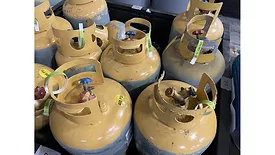
FROSTlines
Progress Postponed: Understanding EPA’s Proposed Changes to Refrigerant Rule
EPA considers extending compliance deadlines under its Technology Transitions rule
Read More


EPA’s Latest SNAP Rule Expands Refrigerant Options
Rule 27 proposes new lower-GWP refrigerants for HVACR equipment
Read More

Refrigerant Shortages Prompt EPA to Revisit HFC Rules
An HVAC Minute Video Update: October 28, 2025
Read More


FROSTlines
Refrigerant Roulette: Contractors Brace For More Change
As the R-454B shortage subsides, another transition is already being planned
Read More


ACCA, AHRI, HARDI, PHCC Outline HVAC Legislative To-Do List
Trade groups push workforce, refrigerant, energy issues, and more in Washington
Read More

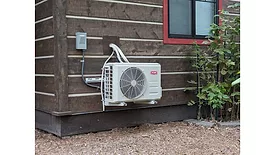
EPA Proposes New Refrigerant Rule
If finalized, the rule would extend compliance deadlines for refrigeration and a/c equipment
Read More
FROSTlines
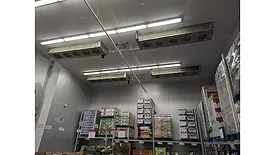
Cold Storage Group Petitions EPA to Ease Refrigerant Limits
Opponents argue that changing the rule would undermine the AIM Act
Read More

Is Hanging Onto R-410A Like Carrying an Old iPhone?
EPA’s proposed sell-through extension for R-410A systems ignores the reality: The HVAC industry and its customers have already upgraded.
Read More
