ACHR News
search
Ask ACHR NEWS AI
cart
facebook twitter instagram linkedin youtube
  • Sign In
  • Subscribe
  • Sign Out
  • My Account
ACHR News
  • NEWS
    • Breaking News
    • New HVAC Products
    • Featured Products
    • Manufacturer Reports
    • HVAC Data
    • Legislation
    • ACHR NEWS Centennial
  • RESIDENTIAL
    • Air Conditioners
    • Furnaces
    • Residential Heat Pumps
    • Ductless
    • Residential IAQ
    • Testing, Monitoring, Tools
    • Components & Accessories
  • COMMERCIAL
    • Air Handlers
    • Rooftop Units
    • Chillers and Cooling Towers
    • Commercial Heat Pumps
    • Boilers and Hydronics
    • VRF/Ductless
    • Commercial IAQ
  • REFRIGERATION
    • Refrigerants
    • Refrigerant Regulations
    • Leak Management
  • CONTRACTOR PRO
    • Geothermal
    • Homeowner Study
    • VRF and VRV Ductless
    • Unitary Trends
  • EDUCATION
    • Training and Education
    • Business Management
    • Service and Maintenance
    • Continuing Education
    • Market Research >
      • HVAC Brand Awareness Report
      • VRV, VRF, VRVZ Report
      • Unitary Trends Report
      • Water Heat Professionals Report
    • Webinars
    • Sponsor Insights
    • eProducts Info
    • White Papers
  • EVENTS
    • HVAC Contractor Forum
    • Industry Events and Webinars
  • MEDIA
    • Videos
    • AHR Expo 2025 Videos
    • Podcasts >
      • ACHR News Podcast
      • HARDI Podcasts
      • AHR Expo Podcasts
      • ACCA Podcasts
    • Interactive Spotlights
    • Quizzes
    • eBooks
    • HVAC Talkback
  • HVAC GROUP
    • ACHR NEWS >
      • Current Issue
      • Digital Edition
      • Subscribe
    • Distribution Trends
    • SNIPS NEWS >
      • Join SNIPS NEWS
    • Engineered Systems News >
      • Join ES News
    • HVACR Directory
    • Contests
    • Newsletters
    • Contact
    • Advertise
    • My Account
Refrigeration

The Professor: Cheers to Frozen Alcohol Treats

A new process allows alcohol to be frozen at household freezer temps
By John Tomczyk
ALCOHOL TREATS:

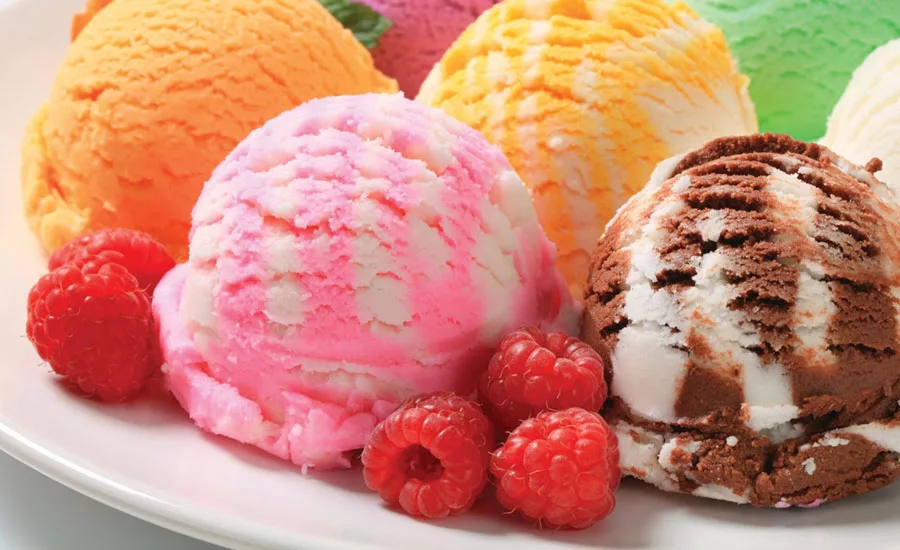
ALCOHOL TREATS: Examples of frozen alcohol confections include ice cream, which consists of 15 percent alcohol rated at 30 proof; gummy candies , consisting of 30 percent alcohol rated at 60 proof; and ice pops, which are created with 25 percent alcohol and rated at 50 proof. PHOTO COURTESY OF SOLIDO INC.
ALCOHOL TREATS 2:

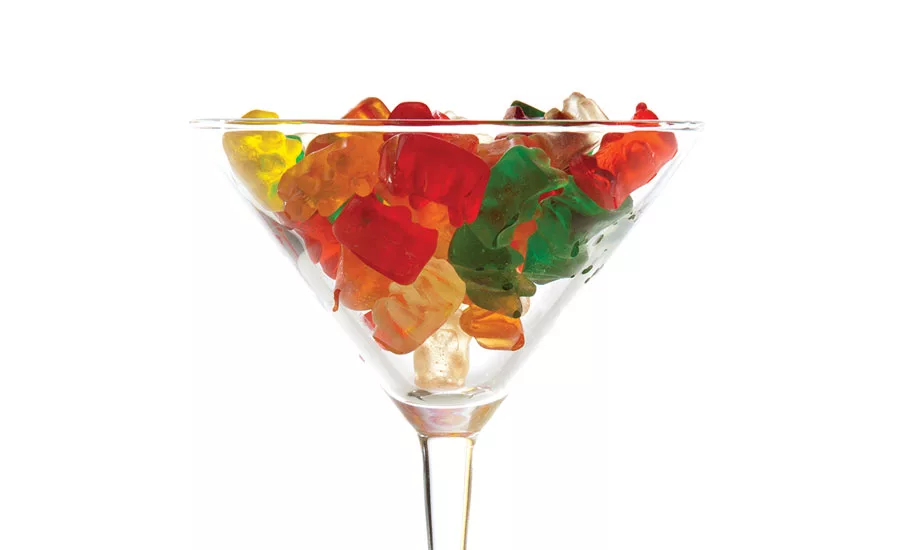
ALCOHOLIC CANDY: Gummy candies consist of 30 percent alcohol rated at 60 proof. PHOTO COURTESY OF SOLIDO INC.
ALCOHOL TREATS 3:

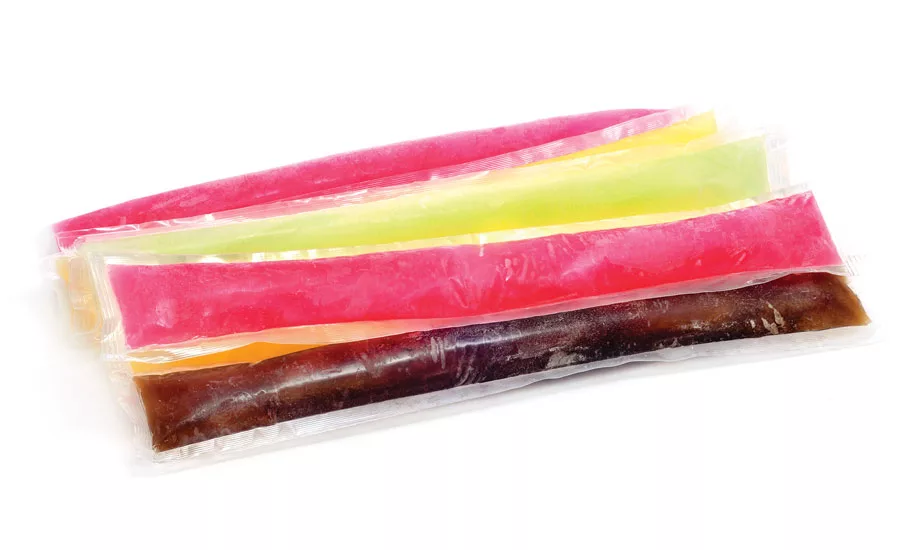
FROZEN ALCOHOL: Ice pops are created with 25 percent alcohol and are rated at 50 proof. PHOTO COURTESY OF SOLIDO INC.

ALCOHOL TREATS:
ALCOHOL TREATS 2:
ALCOHOL TREATS 3:
November 7, 2016

The art of freezing products containing edible alcohol (ethanol) at the temperatures found in common household and commercial freezers has been unsuccessfully attempted for many years. Even attempts at diluting the alcohol with a water solution have produced a watered-down product that still needs temperatures near minus 20°F to freeze the solution solid.

But humans do not give up easily when it comes to finding new ways to enjoy alcohol.

A company has invented and patented a method for freezing edible alcohol products. The consistency of the products ranges from hard and solid through sorbet-like, and all stay frozen in the temperature range of 24°-28° without affecting taste, consistency, or alcohol content. This process can now be accomplished with regular household refrigeration.

Some of the edible products have a rubbery, solid consistency at room temperature, so the same patented process can also produce a gummy-type product with no freezing required. The product may even be thawed and then refrozen, allowing for the final product to be frozen during the point of sale rather than necessitating cooling during shipping. The products have shelf lives of about 18 months without the addition of a preservative and longer with a preservative. Shelf lives of each product will depend on the concentration of the preservative within the product, and only the state of matter is changed with the addition of food additives.

Whether frozen or thawed, the final product will always retain the taste and flavor of the initial alcoholic beverage. This phenomenon happens because once back to its melting temperature, the alcohol immediately reverts to its natural form.

This technology allows a person control of the alcohol content, freezing temperature, and consistency of the final product. Companies can now create a line of frozen alcohol products, such as ice pops, gummy bears, slushes, ice cream, desserts, bubble gum, drink mixers, and ice cubes that don’t dilute mixed drinks. Producers of alcoholic beverages may increase their brand strength by introducing a frozen version of their product, particularly the increasing popular flavored alcoholic beverages.

FREEZING POINT DEPRESSION

Ethanol is produced in the process of fermentation, just like wine, beer, whiskey, and other liquors are made. Ethanol is a colorless, volatile liquid and is the intoxicating agent in liquors. Ethanol is often referred to as “ethyl alcohol” or “grain alcohol.” Ethyl alcohol’s chemical formula is C2H5OH. Pure ethanol has a molecular weight higher than that of water and freezes at a much lower temperature. It freezes at a lower temperature because hydrogen bonds do not play as important a role in the interactions among the ethanol molecules as they do in water. Pure water freezes at 32° at standard atmospheric pressure. However, when ethanol is added to water, the freezing point of the water will be depressed or lowered — instead of freezing at 32°, a water/ethanol mixture will freeze at a much lower temperature.

Looking for quick answers on air conditioning, heating and refrigeration topics? Try Ask ACHR NEWS, our new smart AI search tool. Ask ACHR NEWS →

The refrigeration and air conditioning industry has used this same phenomenon for many years in chiller system brines that are circulated as secondary refrigerants to keep them from freezing and turning solid while in circulation. Another example of freezing point depression is adding a salt solution to roads in the winter season to depress (lower) the freezing point of water and prevent ice formation. The antifreeze in a motor vehicle’s cooling system is another example. 

FREEZING POINT ELEVATION

Additives can also be used to elevate solutions’ freezing points. The phenomenon of ethanol freezing at such low temperatures can be reversed by the addition of food additives that introduce a chemical reaction with the water and/or ethanol. It was discovered that this added chemical reaction will cause the solution to freeze at higher temperatures despite the presence of ethanol. The process lowers the mobility of the free alcohol molecules in a solution, which make it more susceptible to freezing.

This process also introduces some “molecular order,” which lowers the entropy of the system. Entropy is often defined as a degree of disorder or randomness in a system. It is also a thermodynamic quality representing the unavailability of a system’s thermal energy for conversion into mechanical work. The higher the entropy, the higher the degree of disorder. Less thermal energy is thus available to be converted into mechanical work.

One of the food additives used in the ethanol freezing process is a gelling agent named “agar,” which is commercially extracted from the cell membrane of algae. Agar, by itself, is insoluble in ethanol. However, its use in alcohol freezing is limited to its solubility in water to form a gelling solution. Once agar is introduced into the ethanol, the solution is then mixed with alcoholic beverages to be frozen. When adding agar in large amounts, the resulting solution is a gummy-type product. Sugars, edible acids, and other additives may be added to this mixture. Thus, the consistency is not that of a frozen product, but rather that of a rubbery product. However, when consumed, the alcohol effect is felt in the mouth.

Another aspect of alcohol freezing at reasonable household freezer temperatures includes purifying water to a certain conductivity level. The more pure the water is, the less it will conduct electricity. Believe it or not, pure water is a poor conductor of electricity. For purposes of freezing, once water is purified, it is heated and agar or another gelatin is dissolved in the solution while it is vigorously stirred. After several additions of agar, sodium metabisulfite and alcohol are added to the solution. After being cooled and left to stand for at least four hours, the mixture will then freeze at 24.8°. The lower the temperature, the more solid the product will become.

Publication date: 11/7/2016

Want more HVAC industry news and information? Join The NEWS on Facebook, Twitter, and LinkedIn today!

KEYWORDS: FROSTlines

Share This Story

Looking for a reprint of this article?
From high-res PDFs to custom plaques, order your copy today!


John Tomczyk is HVACR professor emeritus, Ferris State University, Big Rapids, Michigan, and coauthor of Refrigeration & Air Conditioning Technology, published by Cengage Learning. Contact him at tomczykjohn@gmail.com.

Recommended Content

JOIN TODAY
To unlock your recommendations.

Already have an account? Sign In

  • HVAC-enrollment

    The Trades Are Back: HVACR Programs See Nearly 30% Enrollment Spike

    A new wave of future technicians is entering the pipeline.  
    News
    By: Matt Jachman
  • 2025 Top 40 Under 40

    2025 Top 40 Under 40 HVACR Professionals List

    The 11th annual Top 40 Under 40 list highlights those...
    News
    By: Hannah Belloli-Oster
  • LG Ductless Mini-Split Systems

    The 9 Types of Heat Pumps

    As the U.S. moves toward electrification, heat pumps are...
    HVAC Commercial Market
    By: Joanna R. Turpin
Subscription Center
  • Create an Account
  • Start a Subscription
  • Manage My Account
  • Sign Up for Newsletters
  • Visit Customer Service
  • Update Preferences

More Videos

Sponsored Content

Sponsored Content is a special paid section where industry companies provide high quality, objective, non-commercial content around topics of interest to The News audience. All Sponsored Content is supplied by the advertising company and any opinions expressed in this article are those of the author and not necessarily reflect the views of The News or its parent company, BNP Media. Interested in participating in our Sponsored Content section? Contact your local rep!

close
  • Piggy Bank
    Sponsored byWatercress Financial

    Energy Prices, Inflation, and HVAC: What Today’s Homeowners Care About

  • Refrigerated Food
    Sponsored bySolstice Advanced Materials

    R-455A Refrigeration: A Cold Storage Solution for the Future

  • Airex Rooftop Units
    Sponsored byAirex Manufacturing Inc

    Consolidating Roof Penetrations: A Growing Trend in Multifamily HVAC Design

Popular Stories

Lennox equipment

Platinum Equity to Sell Heat Controller to Lennox

HVAC-tech-van.jpg

Report: Only 65% of HVAC Technician Time is Billable Hours

HVAC Minute retail refrigeration system

EPA Final Rule’s Impact on R-410A Deadlines

Lovato-refrigerant-rooftop_AC_Units_.jpg

When Refrigerants Change, So Do the Contactors

Dealer_Couple2_Kitchen_Estimate.jpg

Predicting the Next Service Call

View The ACHR NEWS
Centennial Anniversary Timeline

The ACHR News Timeline Chart
Submit a Letter
Submit a letter to our editors.

Events

November 6, 2025

Next-Gen Data Center Cooling: HVAC Innovation and Real-World Solutions

On Demand As AI workloads and high-density computing push traditional cooling methods to their limits, the data center industry is accelerating the adoption of next-generation HVAC technologies.

July 28, 2026

How Top Home Services Companies Turn Every Conversation Into Predictable Revenue

In this webinar, we'll outline how top contractors are turning every conversation into predictable revenue by coaching every comfort advisor visit, not just the ones a manager rides along on.

View All Submit An Event

Poll

Summer Staff

Are you fully staffed for the summer season?
View Results Poll Archive

Products

BNI Mechanical/Electrical Square Foot Costbook, 2026 Edition

BNI Mechanical/Electrical Square Foot Costbook, 2026 Edition

See More Products
Designing Systems Using A2L Refrigerant - Free Webinar - 7/22/2026

Related Articles

  • Tomczyk-John

    The Professor: The Perils of Overcharging

    See More
  • There is a clear difference between hard ice (right) and soft ice. Photo courtesy of Ferris State University

    The Professor: A Toast to Decorative Spherical Ice

    See More
  • The Professor: Frost on the Compressor's Head

    See More

Related Products

See More Products
  • new cover.jpg

    Profit is An Attitude: The Strategies You Need to Optimize Profits

  • air came to a stop.jpg

    The Air Came to a Stop

See More Products

Related Directories

  • American Frozen Food Institute

    The American Frozen Food Institute is the member-driven national trade association representing all segments of the frozen food supply chain from manufacturers to suppliers and distributors. AFFI advocates before legislative and regulatory entities on the industry's behalf, serves as the voice for the industry and convenes industry leadership to create an environment where frozen foods are essential in a dynamic marketplace.
  • Alliance to Save Energy

    Coalition of business, government, environmental, consumer leaders promoting the efficient and clean use of energy worldwide to benefit consumers, the environment, the economy, national security.
  • A to Z Sales & Marketing

    We strive to revolutionize indoor living through innovative solutions that improve air quality, enhance comfort, and promote sustainable living for people around the world.
×

Sign Up. Stay Informed.

The #1 trusted source for the HVACR industry since 1926

SUBSCRIBE
  • RESOURCES
    • Advertise
    • Contact Us
    • Advisory Board
    • Classifieds
    • Submit a Letter
    • Directories
    • Store
  • ACCOUNT CENTER
    • Create an Account
    • Start a Subscription
    • Manage My Account
    • Sign Up for Newsletters
    • Visit Customer Service
    • Update Preferences
  • SERVICES
    • Marketing Services
    • Reprints
    • Market Research
    • List Rental
    • Survey/Respondent Access
  • STAY CONNECTED
    • LinkedIn
    • Facebook
    • Instagram
    • YouTube
    • X (Twitter)
  • PRIVACY
    • PRIVACY POLICY
    • TERMS & CONDITIONS
    • DO NOT SELL MY PERSONAL INFORMATION
    • PRIVACY REQUEST
    • ACCESSIBILITY

Copyright ©2026. All Rights Reserved BNP Media, Inc. and BNP Media II, LLC.

Design, CMS, Hosting & Web Development :: ePublishing