Articles by Herb Woerpel


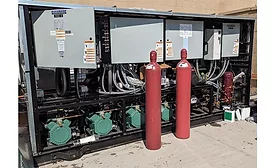
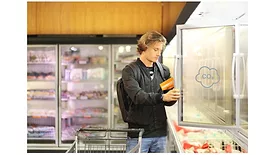
How to Maximize a CO₂ Refrigeration Retrofit with Carbon Credits
Reducing refrigerant emissions isn’t just good for the planet — it’s a potent financial opportunity
Read More

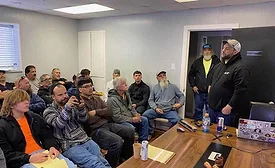
From Adversity to Innovation: Brett Wetzel’s Drive Fuels the Future of Refrigeration
CO₂ refrigeration instructor’s unyielding spirit ignites change in the HVAC industry
Read More
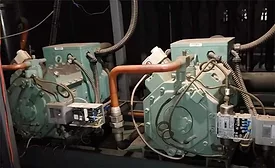
Why CO₂ Refrigeration Training is a Critical Investment for HVACR Contractors
Hands-on training is vitally important as HVACR contractors aim to keep up with the refrigerant’s demand
Read More
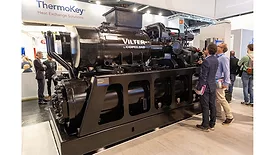
Chillventa 2024: CO₂ Heat Pumps Take Center Stage
R-744 continues to demonstrate its versatility on one of the industry’s grandest stages
Read More

The Future of Refrigeration: Adapting HVACR Training for CO₂ Technologies
What steps can the industry take to meet the growing need for CO₂ expertise?
Read More

CO₂ Refrigeration’s Benefits Extend Beyond Supermarkets, Ice Arenas
Supercritical technology is emerging in various applications, such as nutraceutical processing facilities, high-pressure steam, and more
Read More