- HOME
- MAGAZINE
- TOPICS
- EXTRA EDITION
- NEWS
- PRODUCTS
- COLUMNS
- EXCLUSIVES
- RESOURCES
- MULTIMEDIA
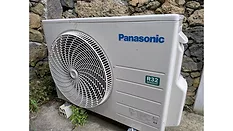
As familiar as condensing units are in refrigeration systems, these components are undergoing major changes. Several of those changes are being demonstrated in a number of practical applications nationwide.
There are several designs for airflow through the evaporator coil, and for draining the condensate water from the coil, depending on the installation. The different designs are known as the A coil, the slant coil, and the H coil.
Those small-diameter coils — with names like MicroGroove, microchannel, and micro-multichannel — have gained a beachhead in residential heating and air conditioning, and are advancing in commercial HVAC, with refrigeration on the horizon.
When a refrigeration system has lost most of its refrigerant charge in a short period of time, the leak is probably significant and should be easy to find.
Now that the battle regarding ozone depleting potential (ODP) refrigerants has ended with the phaseout of CFCs and HCFCs, the fighting has shifted to issues related to the global warming potential (GWP) of the remaining and newly developing refrigerants.
The attention being paid to so-called natural refrigerants is showing a shift toward hydrocarbon refrigerants, even as CO2 gains a stronger foothold and ammonia maintains a high profile. But, whether or not there will be a dominant natural choice remains unclear even in Europe, much less North America.
According to the website www.inhalants.org, one in five students has inhaled a chemical to get high by the eighth grade.
A-Gas’s acquisitions in the U.S. will set it up for a significant expansion into North America, including the international rollout of its refrigerant reclamation technology
|
|
![]() |