An economist forecasts economic growth for the next four years but warns contractors will face sustained inflation-driven cost pressures before a projected downturn in 2030.
HVACR industry faces growing complexity from state-level PFAS regulations and evolving A2L building codes, requiring manufacturers and contractors to stay alert and engaged.
California regulators are exploring HVACR equipment sales tracking to boost permit compliance, but industry groups warn the proposal could create costly, burdensome reporting requirements.
The ACHR NEWS highlights the latest cooling equipment heading into the summer season, giving contractors a side-by-side look at what manufacturers are bringing to market and how those offerings compare.
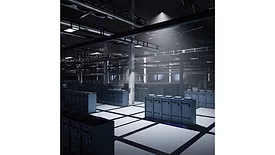
AI-driven data center growth is reshaping cooling strategies, driving adoption of lower-GWP refrigerants as manufacturers develop solutions that balance efficiency, sustainability, and reliability.
New HVAC manufacturers are focusing on reducing installation time and costs through simpler systems, offering more affordable alternatives to traditional, labor-intensive equipment.
Carrier reported a 12% drop in Q1 residential sales, but commercial growth and pricing actions helped offset weakness amid ongoing lawsuits and market uncertainty.