 RSS
RSS
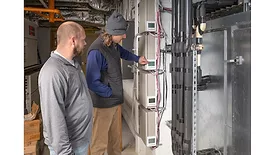
Training and Education for Contractors
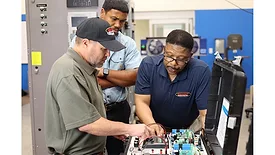
FROSTlines
Teaching A2Ls: A Guide for Refrigeration Instructors
Training is necessary to ensure technicians know how to safely work with the new refrigerants
Read More

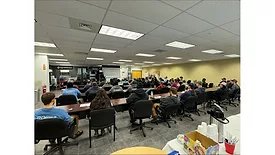
State of the Industry 2025: Education
Education: Keeping Up With the Times in 2025
Educators are focusing on the A2L transition and the evolving industry
Read More

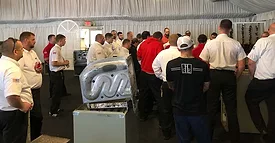
Contractor Pro Homeowner Series
The Industry Cares More About Certifications Than Homeowners Do
Though homeowners might not care as much as they should, certifications are a necessity
Read More
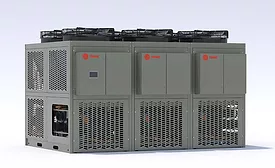
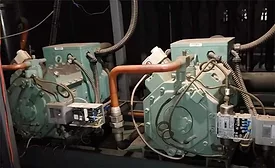
Why CO₂ Refrigeration Training is a Critical Investment for HVACR Contractors
Hands-on training is vitally important as HVACR contractors aim to keep up with the refrigerant’s demand
Read More

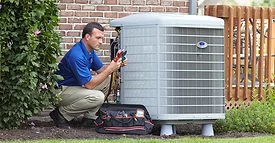
Detect and Protect: Everything Techs Need to Know About RDSs
Manufacturers offer resources and guidance on refrigerant detection systems
Read More

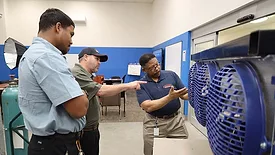
FROSTlines
Using A2Ls in Commercial Refrigeration Equipment
Technicians must learn how to safely work with mildly flammable refrigerants
Read More
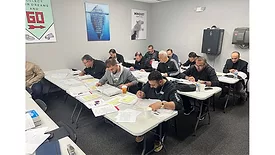
Creating the Talent You Need by Opening Your Own Training Academy
Contractors need to have clear visions and goals for the facility
Read More

FROSTlines
6 Essential Steps for Teaching CO₂ Refrigeration
A practical guide to instructing technicians about this low-GWP refrigerant
Read More