the NEWS
Advertisement:
HVACR Directory | Extra Edition | Learning Center | Editorial Blogs | Product Gallery
  Home
  About the NEWS
  Subscription Info
  e-Newsletters
  Contact Us
  Resources
  Archived Editorial
  Blogs
  Career Center - Employers
  Career Center - Job Seekers
  Columns
  Distributor Corner
  Calendar of Events
  HVACR Directory
  Industry Links
  Learning Center
  Letters
  Manufacturer Reports
  Regional Reports
  Reprints
  Survey Says
  Training Track
  Webinars
  AEC Store
  Market Research
  Extra Edition
  HVACR Forum
  Legal forum
  Business Management
  Dot Comment
  Energy Matters
  Features
  Newsline
  People
  Service Hotline
  Service & Maintenance
  Technical
  Advertising
  Ad Index
  Media Kit
  Submit Press Release
  Services
  Classifieds
  Digital Edition
  Post Cards
Search in: EditorialProductsCompanies
Troubleshooting Challenge: A Reach-In Refrigerator That’s Not Keeping Food Cool
by Jim Johnson
July 6, 2009

ARTICLE TOOLS
EmailEmailPrintPrintReprintsReprintsshareShare


Enlarge this picture
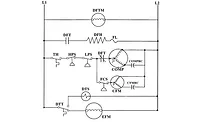
Figure 1. (Click on the image for an enlarged view.)
In this issue’s troubleshooting situation, the problem unit we’re facing is a reach-in refrigerator in a restaurant and the customer’s description of the problem is that they discovered spoiled food in the cabinet when they arrived early in the morning prior to opening.

When you arrive, you find that this particular unit has been in service for almost 12 years, and it employs a constant-run evaporator fan, two pressure switches for protection, and a fractional horsepower, semi-hermetic compressor that employs a potential relay, start capacitor, and run capacitor. (See the partial wiring diagram in Figure 1.)

When you open the cabinet door and re-start the unit by setting the control to an on position, you note that the evaporator fan motor operates along with the condenser fan motor, and you also note a hum and a click, accompanied by a brief dimming of the cabinet light. Checking closer, you confirm that the compressor is not starting. This prompts you to disconnect the power supply, then remove and check the compressor start components, along with the compressor motor windings, with an ohmmeter. The test results you get are as follows:

• From C to R — 2.5 Ohms

• From C to S — 6 Ohms

• From 1 to 2 — Infinity

• From 2 to 5 — 4,500 Ohms

• Start Cap — 165 MFD

• Run Cap — 15 MFD

Your troubleshooting question: Which component has to be replaced to get this unit cooling again?

Compare your answer with ours by clicking here.

Publication date: 07/06/2009


Jim Johnson
is the director of training for Technical Training Associates, a Tucson, Ariz.-based firm that provides HVACR technician training DVDs/videos, E-books, and workshops. For more information, call 520-625-6847 or visit www.technicaltrainingassoc.com.

|PrintEmail

Did you enjoy this article? Click here to subscribe to the magazine.


© 2010 BNP Media. All rights reserved. | Privacy Policy
Your Feedback