the NEWS
Advertisement:
HVACR Directory | Extra Edition | Learning Center | Editorial Blogs | Product Gallery
  Home
  About the NEWS
  Subscription Info
  e-Newsletters
  Contact Us
  Resources
  Archived Editorial
  Blogs
  Career Center - Employers
  Career Center - Job Seekers
  Columns
  Distributor Corner
  Calendar of Events
  HVACR Directory
  Industry Links
  Learning Center
  Letters
  Manufacturer Reports
  Regional Reports
  Reprints
  Survey Says
  Training Track
  Webinars
  AEC Store
  Market Research
  Extra Edition
  HVACR Forum
  Legal forum
  Business Management
  Dot Comment
  Energy Matters
  Features
  Newsline
  People
  Service Hotline
  Service & Maintenance
  Technical
  Advertising
  Ad Index
  Media Kit
  Submit Press Release
  Services
  Classifieds
  Digital Edition
  Post Cards
Search in: EditorialProductsCompanies
Troubleshooting Challenge: A Gas Furnace That’s Heating Intermittently
by Jim Johnson
March 9, 2009

ARTICLE TOOLS
EmailEmailPrintPrintReprintsReprintsshareShare


Enlarge this picture
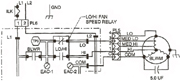
Figure 1. (Click on the image for an enlarged view.)
The customer in this particular situation is somewhat savvy about their 12-year-old gas furnace, so when they call for help, they tell you that when things got very cold in the house, they disconnected the power supply to the unit, and then, after turning the 120V service switch back on, the furnace operation seemed normal and the house got warm “for a day or so.” But, the failure repeated, and they again followed the reset procedure which got the unit operating again. And, even though they had heat again, they called for service.

When you arrive, you find the furnace running and the indoor temperature at an acceptable level. Your evaluation of the equipment includes checking the flame sensor (OK), checking the drain trap, and checking the fuel pressure at both inlet and outlet of the gas valve (also OK). As your next step, you go through the reset procedure by disconnecting the power supply for the appropriate time frame and then turning the service switch back on, expecting the blower motor to run for 30 seconds on a system restart since that’s considered normal operation for this particular unit after a power interruption.

But, the blower doesn’t start until you hand-spin the squirrel cage. At this point, you’re leaning toward the diagnosis that the motor is failing (see the partial diagram in Figure 1), so you double-check two things: A test at the motor leads from the printed circuit board that shows 120 volts, and a check of the run capacitor with your digital meter that shows a reading of 2.5 microfarads.

Your troubleshooting question: Which component was replaced, eliminating the intermittent equipment operation failures?

Compare your answer with ours by clicking here.

Publication date: 03/09/2009


Jim Johnson
is the director of training for Technical Training Associates, a Tucson, Ariz.-based firm that provides HVACR technician training DVDs/videos, E-books, and workshops. For more information, call 520-625-6847 or visit www.technicaltrainingassoc.com.

|PrintEmail

Did you enjoy this article? Click here to subscribe to the magazine.


© 2009 BNP Media. All rights reserved. | Privacy Policy
Your Feedback