The Professor: Condenser Efficiency Affects the System
One of the main components of any refrigeration or air conditioning system is the condenser. As its name implies, one of the main functions of the condenser is to condense the refrigerant sent to it from the compressor. However, the condenser also has other functions.
The three main functions of the condenser are:
1. Desuperheating.
2. Condensing.
3. Subcooling.
Remember, these superheated gases must lose all of their superheat before reaching the condensing temperature for a certain condensing pressure. Once the initial passes of the condenser have rejected enough superheat and the condensing temperature has been reached, these gases are referred to as saturated vapor. The refrigerant is then said to have reached the 100 percent saturated vapor point.
As more heat is taken away from the 100 percent saturated vapor, it forces the vapor to become a liquid, or to condense. When condensing, the vapor gradually phase changes to liquid until 100 percent liquid is all that remains. This phase change, or change of state, is an example of a latent heat-rejection process because the heat removed is latent heat, not sensible heat. This phase change happens at one temperature, even though heat is being removed.
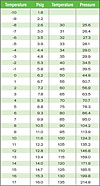
This one temperature is the saturation temperature that corresponds to the saturation pressure in the condenser. This pressure can be measured anywhere on the high side of the refrigeration system as long as line and valve pressure drops and losses are negligible. (Table 1 is a pressure-temperature chart for HFC-134a.)
Note: An exception to this is a near-azeotropic blend (ASHRAE 400 series blends) of refrigerants. With these blends, there is a temperature glide or range of temperatures when the blend is phase changing.
Technically, subcooling is defined as the difference between the measured liquid temperature and the liquid saturation temperature at a given pressure. Once the saturated vapor in the condenser has phase changed to saturated liquid, the 100-percent-saturated liquid point has been reached.
If any more heat is removed, the liquid will go through a sensible heat-rejection process and lose temperature as it loses heat. The liquid that is cooler than the saturated liquid in the condenser is subcooled liquid.
Subcooling is an important process because it starts to lower the liquid temperature to the evaporator temperature. This reduces flash loss in the evaporator, so more of the vaporization of the liquid in the evaporator can be used for useful cooling of the product load.
When the condensing temperature rises, there will come a point where the temperature difference between the condensing temperature and the surrounding ambient (ΔT) is great enough to reject heat from the condenser.
Remember, temperature difference is the driving potential for heat transfer to take place between anything. The greater the temperature difference, the greater the heat transfer. The condenser is now rejecting enough heat at the elevated ΔT to keep the system running with a dirty condenser. However, the system is now running very inefficiently because of the higher condensing temperature and pressure, causing high compression ratios.
For example, let’s say an HFC-134a air-cooled condenser is running at a condensing pressure of 147 psig (110°F) at an ambient of 90o (see Table 1). This is a ΔT of 20o. If this condenser becomes dirty, the condensing pressure might rise to 215 psig (135o) at the same 90o ambient. The ΔT or temperature difference is now 45°. The condenser can reject heat at this ΔT, but it makes the entire system very inefficient. In fact, if a high-pressure control is not protecting the system, a compressor burnout can occur with time.
Even the subcooled liquid coming out of the condenser will be at a higher temperature when the condenser is dirty or fouled. This means that the liquid temperature out of the condenser will be further from the evaporating temperature, which causes more flash gas at the metering device and a lower net refrigeration effect.
The compressor’s discharge temperature will also run hotter because of the higher condensing temperature and pressure causing a higher compression ratio. The compressor now has to put more energy in compressing the suction pressure vapors to the higher condensing or discharge pressure. This added energy is reflected in higher discharge temperatures and amperage draws.
For all these reasons, we need to keep those condensers clean.
Publication Date: 01/12/2009
The three main functions of the condenser are:
1. Desuperheating.
2. Condensing.
3. Subcooling.
DESUPERHEATING
The first passes of the condenser desuperheat the discharge line gases. This prepares the high-pressure, superheated vapors coming from the discharge line for condensation, the phase change from vapor to liquid.Remember, these superheated gases must lose all of their superheat before reaching the condensing temperature for a certain condensing pressure. Once the initial passes of the condenser have rejected enough superheat and the condensing temperature has been reached, these gases are referred to as saturated vapor. The refrigerant is then said to have reached the 100 percent saturated vapor point.
Table 1. R-134a saturated vapor-liquid pressure-temperature chart.
CONDENSING
As I mentioned, one of the main functions of the condenser is to condense the refrigerant vapor to liquid. Condensing is system dependent; it usually takes place in the lower two-thirds of the condenser. Once the saturation or condensing temperature is reached in the condenser and the refrigerant gas has reached 100 percent saturated vapor, condensation can take place - if more heat is removed.As more heat is taken away from the 100 percent saturated vapor, it forces the vapor to become a liquid, or to condense. When condensing, the vapor gradually phase changes to liquid until 100 percent liquid is all that remains. This phase change, or change of state, is an example of a latent heat-rejection process because the heat removed is latent heat, not sensible heat. This phase change happens at one temperature, even though heat is being removed.
This one temperature is the saturation temperature that corresponds to the saturation pressure in the condenser. This pressure can be measured anywhere on the high side of the refrigeration system as long as line and valve pressure drops and losses are negligible. (Table 1 is a pressure-temperature chart for HFC-134a.)
Note: An exception to this is a near-azeotropic blend (ASHRAE 400 series blends) of refrigerants. With these blends, there is a temperature glide or range of temperatures when the blend is phase changing.
SUBCOOLING
The last function of the condenser is to subcool the liquid refrigerant. Subcooling is defined as any sensible heat taken away from 100-percent-saturated liquid.Technically, subcooling is defined as the difference between the measured liquid temperature and the liquid saturation temperature at a given pressure. Once the saturated vapor in the condenser has phase changed to saturated liquid, the 100-percent-saturated liquid point has been reached.
If any more heat is removed, the liquid will go through a sensible heat-rejection process and lose temperature as it loses heat. The liquid that is cooler than the saturated liquid in the condenser is subcooled liquid.
Subcooling is an important process because it starts to lower the liquid temperature to the evaporator temperature. This reduces flash loss in the evaporator, so more of the vaporization of the liquid in the evaporator can be used for useful cooling of the product load.
DIRTY OR FOULED
If a condenser becomes dirty or fouled, less heat transfer can take place from the refrigerant to the surrounding ambient space. Dirty condensers are one of the most frequent service problems in the commercial refrigeration and summer air conditioning fields today. If less heat can be rejected to the surrounding air with an air-cooled condenser, the heat will start to accumulate in the condenser. This accumulation of heat will make the condensing temperature rise.When the condensing temperature rises, there will come a point where the temperature difference between the condensing temperature and the surrounding ambient (ΔT) is great enough to reject heat from the condenser.
Remember, temperature difference is the driving potential for heat transfer to take place between anything. The greater the temperature difference, the greater the heat transfer. The condenser is now rejecting enough heat at the elevated ΔT to keep the system running with a dirty condenser. However, the system is now running very inefficiently because of the higher condensing temperature and pressure, causing high compression ratios.
For example, let’s say an HFC-134a air-cooled condenser is running at a condensing pressure of 147 psig (110°F) at an ambient of 90o (see Table 1). This is a ΔT of 20o. If this condenser becomes dirty, the condensing pressure might rise to 215 psig (135o) at the same 90o ambient. The ΔT or temperature difference is now 45°. The condenser can reject heat at this ΔT, but it makes the entire system very inefficient. In fact, if a high-pressure control is not protecting the system, a compressor burnout can occur with time.
Even the subcooled liquid coming out of the condenser will be at a higher temperature when the condenser is dirty or fouled. This means that the liquid temperature out of the condenser will be further from the evaporating temperature, which causes more flash gas at the metering device and a lower net refrigeration effect.
The compressor’s discharge temperature will also run hotter because of the higher condensing temperature and pressure causing a higher compression ratio. The compressor now has to put more energy in compressing the suction pressure vapors to the higher condensing or discharge pressure. This added energy is reflected in higher discharge temperatures and amperage draws.
For all these reasons, we need to keep those condensers clean.
Publication Date: 01/12/2009
Looking for a reprint of this article?
From high-res PDFs to custom plaques, order your copy today!


