As Northern Virginia’s data center boom strains power, water, and infrastructure, industry leaders are turning to district energy to transform waste heat into a scalable, low-carbon resource.
Howie McKew, Tomorrow’s Environment columnist for ES NEWS,
explores the evolution of boiler technology, highlighting shifts since the 1972 energy crisis.
Hydrogen is being blended with natural gas at facilities like Eight Flags Energy to lower emissions and advance decarbonization, offering a promising, low-carbon alternative for power generation.
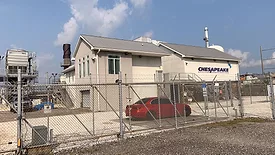
Within today’s industrial landscape, emissions compliance has become an ongoing challenge, driving companies to adopt agile and future-ready NOx reduction strategies to keep pace with ever-tightening air quality standards.
In an industry where downtime isn’t an option, Steam Operations Specialists (SOS) sets a high bar for boiler room staffing, blending strict credentialing and hands-on vetting.
The results of these operational changes are reflected in the City of Deadwood’s publicly approved maintenance contracts. City officials attributed the reductions to improved system condition and annual cost analysis rather than reduced service.
Forward-thinking facilities are trading steam for high-performance hot water systems: unlocking more efficient design, simpler operation, and significant cost savings, write Today's Boiler contributors.
When a bronze valve met incompatible boiler chemicals in a hospital, the result was catastrophic: widespread system failure and costly damage, all avoidable with a single review step, says John Rophael, P.E., mechanical engineer at Engineering Design & Testing Corp.
Why comprehensive boiler education is critical for safety, efficiency, and compliance – and how ongoing training drives operational excellence in a rapidly evolving industry
Proper training in boiler operation and maintenance is essential to ensure safety, optimize efficiency, and keep pace with advancing technology and regulatory demands.
 RSS
RSS