How to Staff a Boiler Room Reliably: Inside the SOS Approach
Staffing a boiler room isn’t just about filling a shift – it’s about ensuring safe, seamless operations no matter the hour
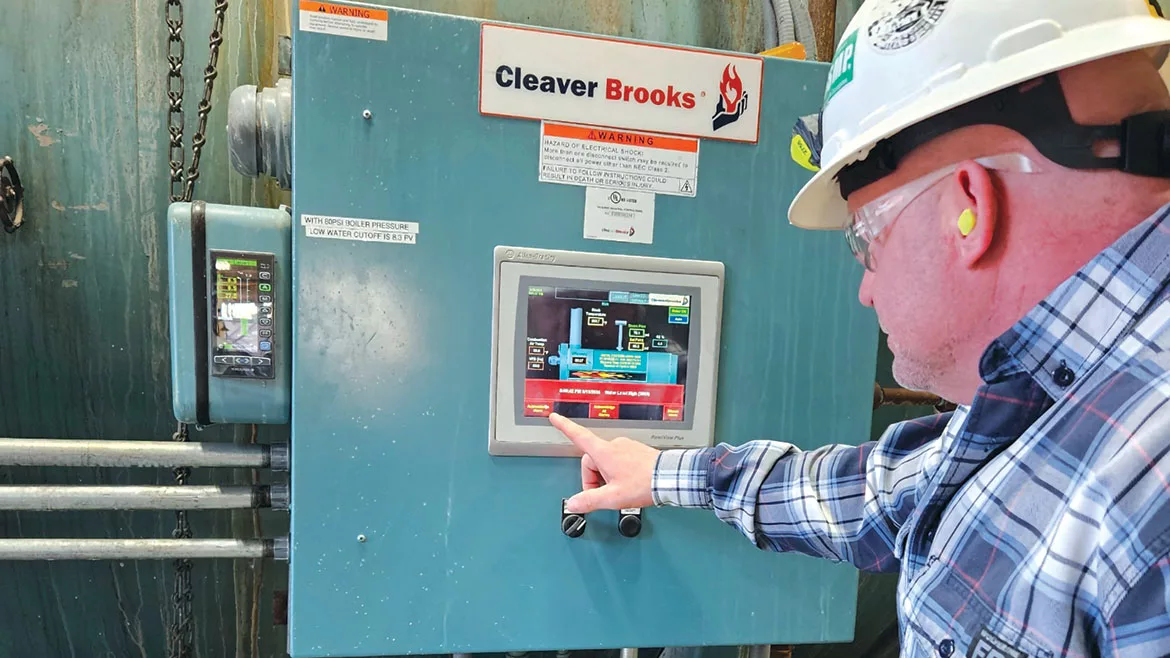
EMRGENCY: When emergencies strike, pre-vetted and travel-ready operators can spell the difference between system failure and seamless recovery.
In the world of steam-powered operations, reliability isn’t just a preference – it’s a non-negotiable standard. Boiler rooms can’t afford downtime, and the difference between a seamless morning and a multi-million-dollar disaster often comes down to who’s tending the controls. For companies like Steam Operations Specialists (SOS), the challenge isn’t just finding boiler operators – it’s finding the right operators, every time.
“We set the bar high,” said Luke Holter, SVP and co-founder at SOS. “Every operator we hire must hold a valid state-issued boiler operator or stationary engineer license. Beyond meeting state requirements, we verify OSHA safety certifications, TWIC cards for certain regulated sites, and require EPA Section 608 for those handling refrigerants. For high-pressure systems, we insist on even more specialized endorsements.”
Holter noted that SOS “always makes sure our people meet or exceed” all state and federal requirements. Industry safety guides, such as those from Miura Boiler and Facility Logistics Data, stress that this must be the baseline. Both warn that inadequate training or credentialing can create significant liability and safety risks for organizations.
Operators are often entrusted with managing systems that, if mishandled, can lead to disastrous consequences – from pressure explosions to toxic gas leaks. Best practices – whether in the private or institutional sector – call for not only technical licensing, but intensive, ongoing training in safety, preventive maintenance, and emergency protocols.
SOS layered in its own rigorous standards – behavioral interviews designed to tease out technical know-how, safety awareness, and the cool-headed troubleshooting skills that separated seasoned pros from those who just “push buttons.” According to Holter, “We want operators who really understand system behavior and communicate well with maintenance and shift teams. The best are naturally curious and thrive under pressure.”
Recruiting, Vetting, and National Trends
The industry’s hiring environment is tight. Employment of stationary engineers and boiler operators is projected to grow modestly – about 2% from 2024 to 2034 – while the skills and technological demands only increase.
Holter said the journey to qualified staff began at the source. SOS actively recruited from trade schools, veteran networks, and professional associations. Each credential was verified at the source – no shortcuts, no exceptions. Then candidates endured technical evaluations simulating real boiler room emergencies, followed by deep-dive behavioral interviews and detailed background checks. Placement was as thoughtful as selection: “We match operators to client sites based not just on technical fit, but also workplace culture,” Holter explained.
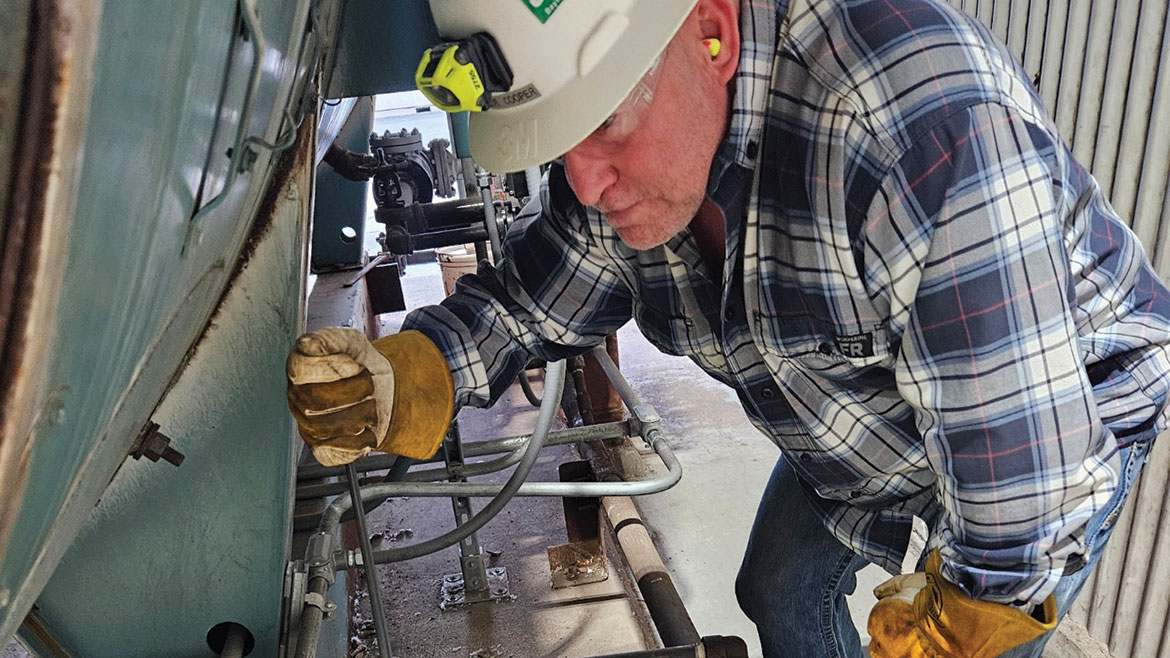
LICENSING: A shortage of licensed boiler operators is forcing companies to invest heavily in recruitment, vetting, and workforce continuity planning.
Upskilling for Today’s Digital Boiler Room
Modern boiler rooms aren’t the static bunkers of yesteryear – they’re digital fortresses driven by predictive maintenance, smart controls, and advanced analytics. Operators today are expected to leverage new tools for predictive maintenance and rapidly shifting safety standards. “Continuous education is non-negotiable,” Holter asserted. “We partner with equipment manufacturers and technical colleges to get hands-on with emerging technologies. And evolving environmental regulations mean our teams receive constant training in compliance and monitoring.”
This reflects a nationwide shift: organizations are investing in skill-building for digital controls, root cause analysis, and compliance tracking as new equipment and regulations come online.
Risks, Mistakes, and the Value of Diligence
The risks of inadequate staffing are real. “Some companies think they can cut corners or hire without the right licensing and experience. That never ends well,” Holter warned. Industry documentation confirms this, pointing to poorly supervised rooms as a leading cause of unplanned shutdowns, damage, and even legal exposure.
Another common mistake? Not planning for retirements or sudden absences. As Holter put it: “We’ve seen competitors scramble when a senior operator retires, leaving clients exposed to major risks and losses. We avoid that by maintaining strict credentialing and always planning for workforce continuity – even during sudden absences with our 24/7 support structure.”
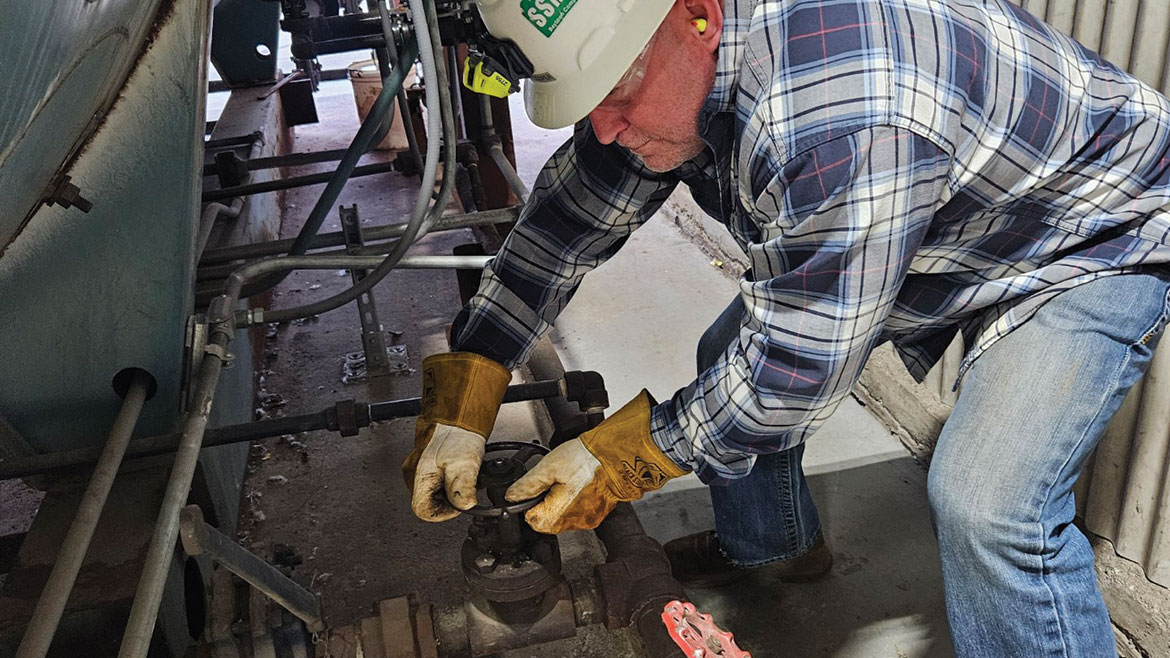
CREDENTIAL: Stringent credentialing is the first step, but ongoing training and culture fit are what ensure safe boiler operations around the clock.
Emergency Staffing: Preparation Meets Opportunity
Emergency response is where SOS attempts to shine. “We keep a national roster of pre-vetted, travel-ready operators with up-to-date credentials and clearances. It means we can deploy skilled staff within 24 hours, sometimes even faster. Clients see the benefit during unplanned outages or emergencies – the system works because we never let our guard down.”
This kind of rapid response is becoming a must-have for mission-critical facilities, all of which cite “no downtime” as a business imperative.
Retention – The Next Big Challenge
Retention was treated with equal seriousness. Skilled boiler operators are aging, and the profession is at risk of a “retirement cliff.”
“Respect comes first. We pay competitively but also focus on predictable schedules, clear career pathways, and safety. Operators know they can move up, get recognized, and that we invest in their growth. Turnover? We’re well below industry average.” Industry advice supports this; companies focusing on retention strategies – mentorships, education, structured career ladders – report far higher continuity.
A Focused Model in an Unpredictable World
Asked what sets SOS apart, Holter didn’t hesitate: “We’re not generalists. We focus exclusively on boiler rooms – our entire team, from recruiters to trainers, speaks that technical language. We’re delivering reliability and site-specific expertise, not just staffing.”
Holter recalled a recent Saturday crisis: “A major hotel chain lost its operator at the last minute. Within hours, one of our operators was on-site, keeping their boiler system running smoothly – no downtime, no guest complaints.”
With regulation, technology, and risk all on the rise, reliable boiler room staffing now demands a multi-layered approach. Licensing, while vital, is merely the foundation – effective vetting, continuous training, and rapid emergency deployment are the real safeguards against downtime and disaster.
As the industry evolves, SOS’s model demonstrates how specialization, continuous training, and proactive staffing can redefine reliability in critical infrastructure.
Looking for a reprint of this article?
From high-res PDFs to custom plaques, order your copy today!