CHP Plant Undergoes Hydrogen Combustion Testing
HRSG design: Assessing impacts on equipment and emissions
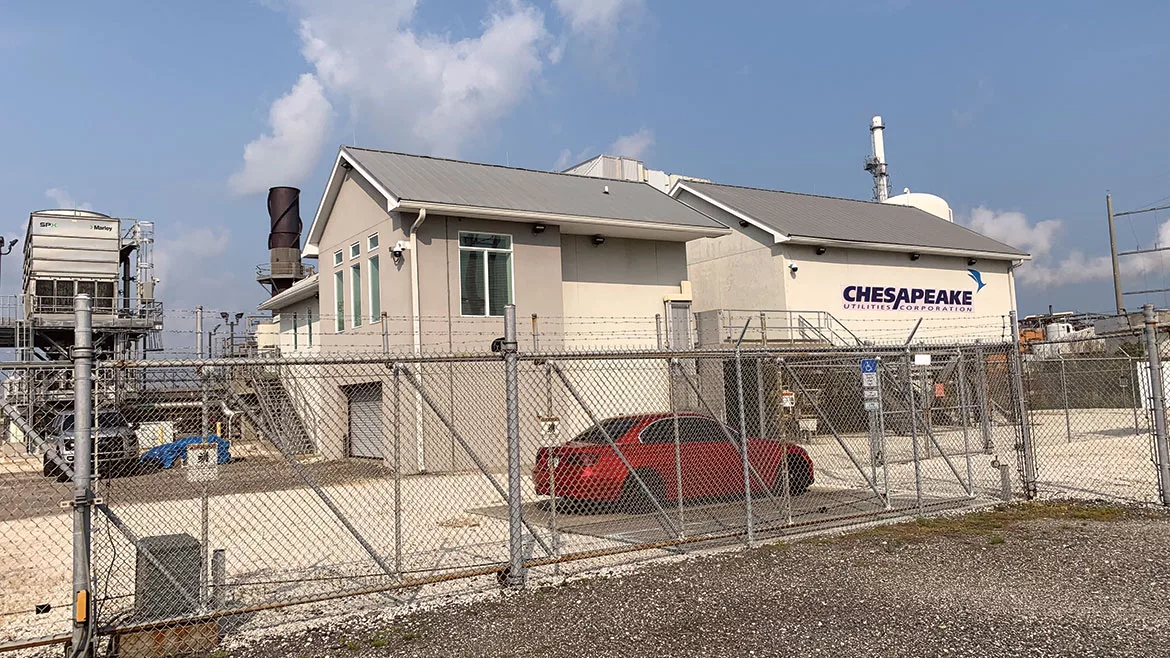
At Eight Flags Energy, hydrogen blended with natural gas means lower emissions and new pathways for decarbonizing power.
Hydrogen is seen as a potential fuel replacement for natural gas in power generation and other industrial applications. Some have begun introducing small amounts into fuel mixes to lower emissions and hit decarbonization targets. Hydrogen combustion results in zero CO2 emissions. When burned, it only produces water vapor, since the fuel has no carbon content. Hydrogen is now a key part of ambitious climate strategies for reaching net-zero targets.
Some facilities worldwide are experimenting with blending hydrogen into natural gas to test its effectiveness, safety, and reliability. A 30% hydrogen blend by volume is estimated to deliver an 11% CO2 reduction – though this requires significant turbine modifications and some HRSG changes.
In Nassau County, Florida, the Eight Flags Energy site has tested up to 5% hydrogen by volume. The Fernandina Beach CHP plant, operated by Chesapeake Utilities Corporation, uses a Solar Titan 250 gas turbine and a Rentech Heat Recovery Steam Generator (HRSG). To advance sustainability goals, the company conducted two tests of hydrogen/natural gas blends in a controlled industrial setting.
The test program allowed Eight Flags to evaluate the turbine and HRSG under hydrogen blends, refining operational practices and improving the safe transportation and injection of hydrogen into the distribution system.
Chesapeake Utilities’ Marlin Gas Services delivered hydrogen through existing steel service mains. Minor plant modifications enabled the turbine to run on a 4% hydrogen blend – with no HRSG changes needed.
“Blending hydrogen with natural gas further lowers carbon impact without sacrificing the qualities that make natural gas a desired industrial fuel,” said Jeff Householder, president and CEO of Chesapeake Utilities.
According to the plant manager, hydrogen testing resulted in a noticeable improvement in emissions and a slight increase in turbine output.
Management is exploring options for incorporating green hydrogen at Eight Flags Energy. Trucking green hydrogen from Kingsland, GA or generating it onsite using solar-powered electrolyzers are options under consideration. Until then, natural gas will continue as the primary fuel.
Fortunately, the HRSG would not be significantly impacted by hydrogen combustion. It was originally specified with a conservative, oversized design to handle hydrogen’s higher flame temperature without modification.
“Hydrogen has long been used in boilers and HRSGs,” said Kevin Slepicka, vice president of sales for heat recovery boilers at Rentech Boiler Systems. “This experience means existing HRSGs can often handle modest hydrogen levels without upgrades.”
Larger hydrogen amounts may eventually require some HRSG changes. More hydrogen introduces extra water, leading to condensation and potentially slowing heat transfer. Because hydrogen increases the water dew point, cold HRSG areas exposed to exhaust could experience more condensation – addressed by adding drains and extra drying as needed.
So far, Eight Flags has completed two successful hydrogen trials, including stack testing to confirm emissions compliance. While no NOx spike occurred, facilities using higher hydrogen blends must monitor compliance, which may require mitigation like flue gas recirculation (FGR) or selective catalytic reduction (SCR).
At Eight Flags, 5% is currently the practical limit. Raising hydrogen content further would require upgraded turbine fuel injectors and other combustion system modifications.
As HRSGs operate under major extremes, any fuel change risks upsetting their efficiency or steam output. Major components like the superheater, evaporator, and economizer can be affected by hydrogen blends. Hydrogen’s BTU value per unit volume is about five times lower than natural gas, demanding higher fuel flow for the same output.
Duct burner modifications may be necessary depending on hydrogen content. Separate hydrogen valve trains and firing elements could be needed due to differences in heating value and supply pressure.
The presence of hydrogen may reduce performance slightly. This must be offset with better burners and some design changes.
“Hydrogen requires a higher exhaust gas volume through the turbine – the Eight Flags HRSG is already sized for more gas,” Slepicka said.
Additionally, hydrogen’s wider flammable range, lower ignition energy, and lighter molecule mean a safety review is required. Any burned hydrogen could rise and collect in pockets at the top of the HRSG, which could be hazardous. Eight Flags’ HRSG minimizes these pockets, but purge cycles may be necessary to remove unburned hydrogen and ensure safe operation if hydrogen usage increases significantly.
All HRSG and boiler suppliers are encouraged to get familiar with hydrogen as part of the combustion process. At low concentrations, its impact is minimal. Higher levels will require manufacturers to ensure equipment is ready for customers seeking more sustainable energy solutions.
Looking for a reprint of this article?
From high-res PDFs to custom plaques, order your copy today!