How the Sheet Metal Industry is Responding to the Data Center Boom
Megaprojects are bringing record demand for complex systems – but volatility in tariffs, commodity costs, and energy markets means only the nimble thrive
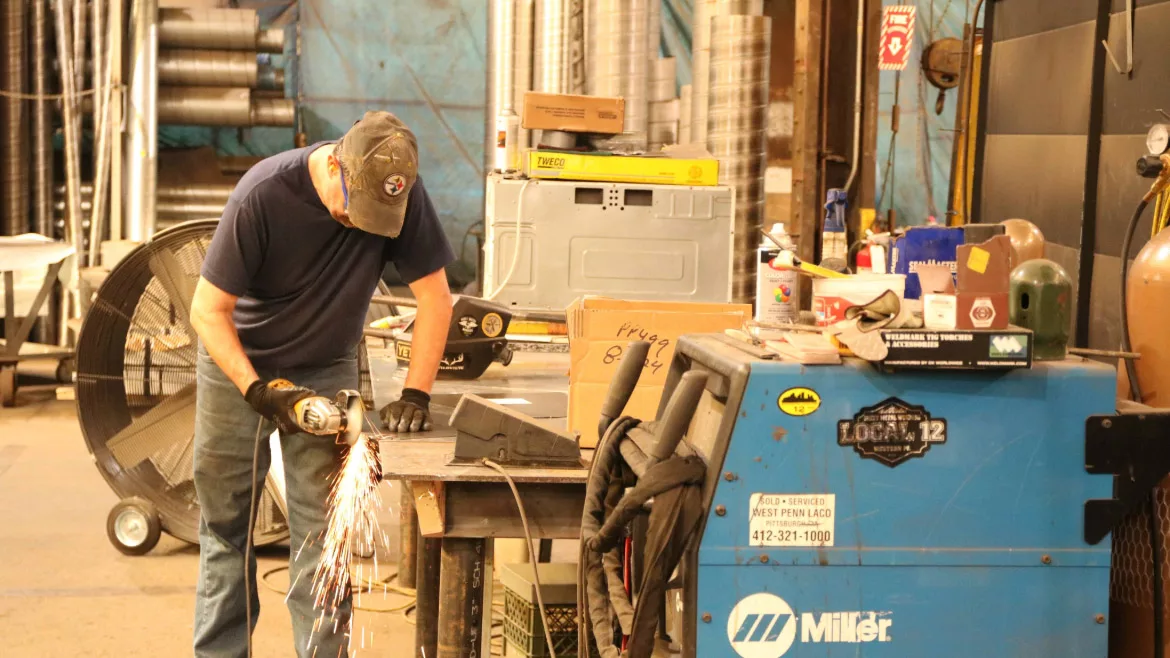
PREPARED: Sheet metal shops play a central role in data centers, and the build out of energy solutions for data centers.
The private sector’s deep financial commitment to the data center boom is reshaping the sheet metal and HVAC industries in real time. Across the country, companies are pouring billions into building sprawling data centers – massive facilities that require cutting-edge HVAC and sheet metal systems to keep servers humming and facilities running 24/7. This surge in private investment is fueling one of the largest construction waves the industry has seen in years.
Sheet Metal and Air Conditioning Contractors' National Association’s CEO Aaron Hilger described power availability as the new battleground for these projects. “You have smelters and data centers locked in bidding wars for electricity,” he said. “Power isn’t just a line item – it’s a strategic resource that dictates where and when projects get built.”
This essentially pits data centers, often backed by well-capitalized companies, against efforts to massively scale high-cost, low-margin domestic commodity production. While value-added commodities like semiconductor chips are still favored by the tax code, battery plant federal support has suffered several blows.
Hilger noted the electricity intensity of aluminum production: “Tariffs on aluminum make zero sense because we don’t produce much of it here, but it takes massive amounts of electricity to make the metal. Much of the aluminum in North America comes from cheap hydro power in Canada.”
The effect of surging data center investment, meanwhile, reaches far beyond regional electricity markets. As covered earlier in SNIPS NEWS’, these massive AI-fueled projects are creating new bidding wars for materials, pushing commodity prices higher even as other sectors cool off. Rebecca Patterson, a leading macroeconomic researcher, explained at SMACNA's annual conference, “Commodity markets are now especially reactive – global supply constraints, tariff battles, and financial policy all interact to move prices more quickly than many businesses are used to. Steel and copper are at the heart of this new volatility.” For HVAC and sheet metal contractors, that means the materials bidding up for data center infrastructure is adding an extra layer of cost uncertainty to an already challenging market landscape.
The private sector’s enthusiasm for data infrastructure investments underscores a foundational driver of future work, even as contractors grapple with the loss of energy tax credits and canceled megaprojects. Despite all the turmoil, Hager remains optimistic.
Stan Kolbe, SMACNA’s Executive Director of Government and Political Affairs, painted the current trade landscape as an unpredictable storm.
“If you ordered HVAC parts from Canada and you put in your order two days too late, your bill now goes up by thousands. You take that loss on your bid. That hurts,” Kolbe said. This volatility pushes contractors to stockpile materials where they can and introduces market timing risks. “Big contractors buy full tractor-trailer loads and store them. Smaller outfits with tight budgets? Not so much.”
The chaos upsets businesses regardless of their stance. Hilger put it plainly: framed the debate bluntly: “Some think tariffs are the greatest tool we’ve ever seen,” he said, noting their role in reshoring industry for membership, albeit with higher production costs. “Others think this is the worst thing we’ve ever done. Both are probably right to a certain degree.”
Hilger broke down the big picture further: “If we want to grow manufacturing here, we have to build plants, power them, and have enough workers. On two out of three of those, we’re not doing so great.” Across the U.S., energy prices have climbed roughly 40% to 50% over the last decade, with some states experiencing a near doubling.
One unexpected silver lining amid the energy crunch comes from innovative contractors turning constraints into opportunities. Take DeKalb Mechanical, for example – by installing solar panels on their own roof, they shifted from paying soaring utility bills to often being paid by the utility for excess power generation.
Hilger likewise points toward optimism and strong fundamentals. “There’s a huge backlog in the industry of projects that will occur, just like the data center work is still going to be ongoing,” Hager said, noting that investments in power infrastructure drive further manufacturing growth. “As we build more power, you get more manufacturing because you have power to do manufacturing. So I’m actually very optimistic on this … our customers will have more confidence, and then those projects will move forward.”
Against a backdrop of surging demand and cost pressures, flexibility and vigilance are essential. While no easy fixes exist, the ability to adapt quickly to volatile tariffs, commodity swings, and labor market constraints will determine who thrives as the industry navigates this electrified, tariff-laden landscape.
Looking for a reprint of this article?
From high-res PDFs to custom plaques, order your copy today!