Spotlight on Safety: Hazard Identification and the OSHA Safe and Sound Program
Workers are often the best source of information about the hazards they face
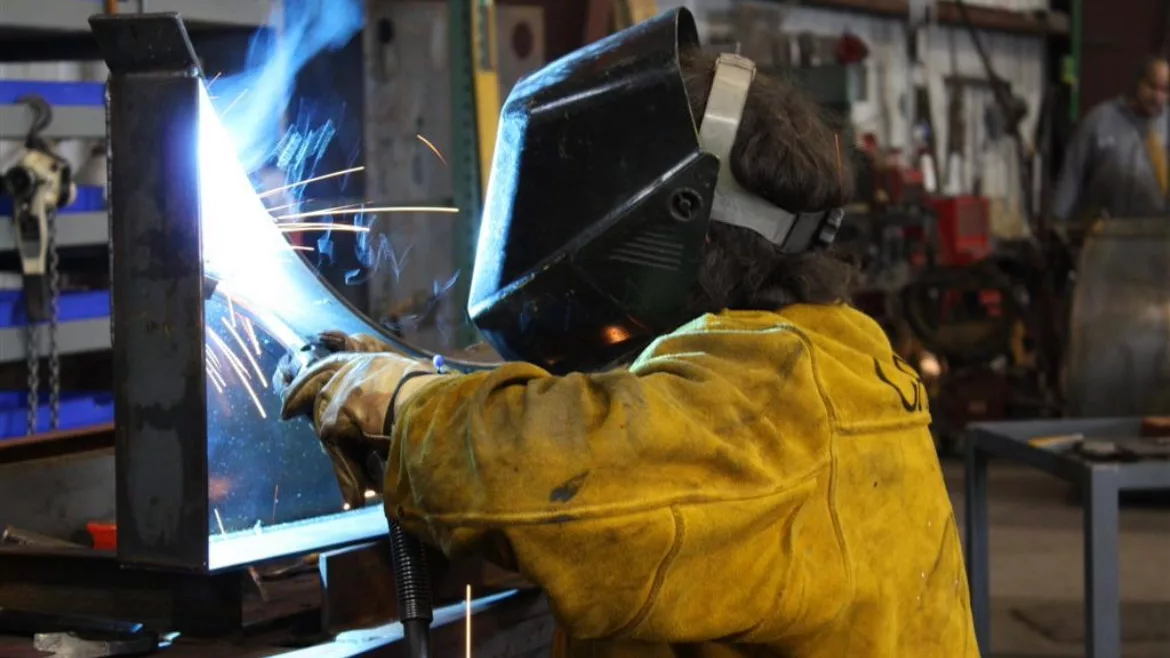
Safety is paramount in the sheet metal workplace, and yet, hazards lurk in even the most benign environments. From slips and falls to chemical exposures, the potential for accidents is always present. This is where effective hazard identification and programs like OSHA's Safe and Sound come into play, ensuring that businesses can maintain a safe working environment and foster a culture of safety.
The OSHA Safe and Sound Program
The Occupational Safety and Health Administration (OSHA) launched the Safe and Sound program to promote effective workplace safety and health programs. This year, Safe and Sound Week is August 12-18. The program is built around three core elements: management leadership, worker participation, and a systematic approach to finding and fixing hazards. We discussed the first two aspects of the Safe and Sound Program in last month’s article, including the importance of focusing on the implementation and combined benefits of management leadership and employee involvement. Both of these issues are integral to the success of hazard identification, the third and final part of the Safe and Sound Program.
Understanding Hazard Identification
Hazard identification is the process of identifying, understanding, and documenting potential sources of harm or adverse health effects on workers in a workplace. It's a proactive step in the risk management process and is crucial for preventing accidents before they occur. This involves a thorough examination of all areas of the workplace, including processes, equipment, and activities that could pose risks.
The key steps in hazard identification include:
- Observation and Inspection: Regularly inspect the workplace to identify new or recurring hazards. This can involve walkthroughs, safety audits, and the use of checklists.
- Employee Involvement: Workers are often the best source of information about the hazards they face. Encourage them to report hazards and participate in safety meetings.
- Review of Incidents and Near Misses: Analyze past accidents and near-miss incidents to identify trends and areas needing improvement.
- Risk Assessment: Once hazards are identified, assess the risk associated with each hazard by considering the likelihood of occurrence and potential severity of harm.
Effective hazard identification helps create a safer work environment by allowing businesses to implement controls and preventive measures.
A Systematic Approach to Hazard Identification
The heart of the Safe and Sound program is a systematic approach to identifying and fixing hazards. Process Safety Management (PSM) is an example of a detailed framework designed to prevent hazardous chemical releases in high hazard industries such as petrochemical operations. While most aspects of PSM do not fit the sheet metal industry, its core principles include comprehensive process knowledge, stringent safety protocols, and continuous risk assessment. A simplified way PSM works is by breaking down each “process” into small steps for ease of identifying and understanding hazards. Sheet metal companies can take a similar approach by breaking down each construction project or fabrication operation into small tasks or steps for a deeper hazard analysis. Once the various steps are identified, then hazard identification can be done, including the following:
- Regular Inspections and Audits: Conducting routine inspections to identify new hazards and ensure that existing controls are effective.
- Hazard Reporting Systems: Establishing clear and accessible ways for employees to report hazards.
- Corrective Actions: Implementing controls to eliminate or mitigate identified hazards. This can include engineering controls, administrative controls, and personal protective equipment (PPE).
- Monitoring and Review: Continuously monitoring the effectiveness of controls and making improvements as necessary.
Benefits of the Safe and Sound Program
Participating in the Safe and Sound program and promoting a culture of safety has numerous benefits for businesses:
- Reduced Incidents and Injuries: A proactive approach to hazard identification and control can significantly reduce workplace incidents and injuries.
- Improved Compliance: Following OSHA guidelines helps ensure compliance with regulations, reducing the risk of fines and legal issues.
- Enhanced Employee Morale: A safe work environment boosts employee morale and productivity, as workers feel valued and protected.
- Cost Savings: Preventing accidents can lead to substantial cost savings by avoiding medical expenses, workers' compensation claims, and lost productivity.
Conclusion
In an ever-evolving work environment, the importance of hazard identification and proper corrective actions cannot be overstated. By embedding safety into the very fabric of organizational culture, businesses not only protect their most valuable asset—their employees—but also pave the way for enhanced productivity and success. Remember, a safe workplace is a sound business strategy. So, take the steps today to identify hazards and implement the Safe and Sound program, ensuring a safer tomorrow for everyone.
Looking for a reprint of this article?
From high-res PDFs to custom plaques, order your copy today!