APDM
How innovative project delivery can elevate your next job
There is too much waste in construction: waiting, excess motion of materials, defects, overdesign, and the list goes on. It is difficult to fully remove waste from the process because every project is unique, often involves working with a new project team and new stakeholders to meet new objectives. And it doesn’t help that on most projects the contractor is engaged only after the design has been fully completed.
A project delivery method defines the roles, responsibilities, and timing of the engagement of project stakeholders working to design and build a facility. The traditional design–bid–build (DBB) delivery method offers limited opportunities for collaboration between project stakeholders because the contractor cannot inform the design.
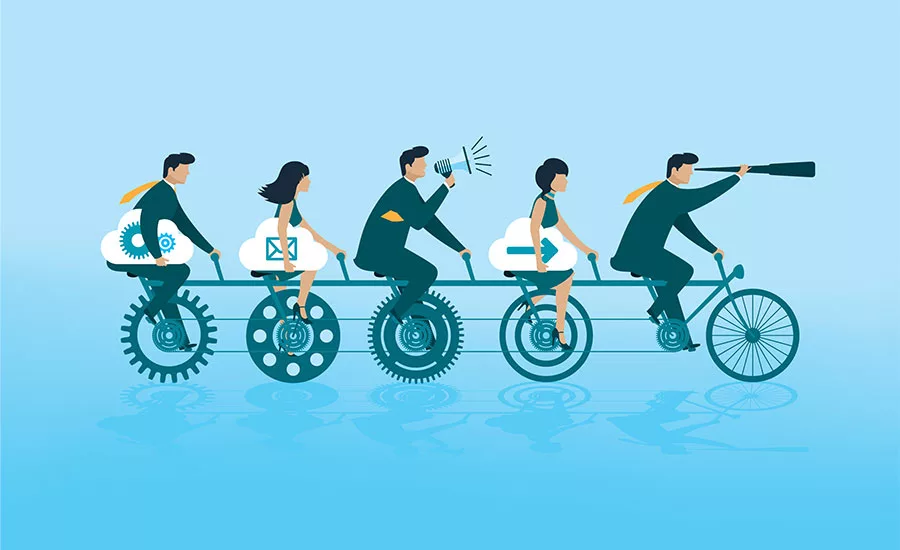
In contrast, innovative methods such as design–build (DB), construction manager at risk (CMAR), and integrated project delivery (IPD) evolved over the past two decades to allow more collaboration and innovation in designing and building a facility. A common term that encompasses these innovative methods is alternative project delivery methods (APDM). APDM contractors are engaged early while the design is still underway so they can add value and inform the design. Contractors in APDM can also provide preconstruction services. These include constructability analysis, assessing the cost and schedule impacts of design decisions, early planning, managing long lead items, and so on.
Research funded by many public and private organizations quantified the impact of APDM on project performance. The results have been overwhelmingly positive, with many distinguished researchers contributing to this literature from the United States and abroad. Ample empirical performance data support APDM as effective methods; our Arizona State University team recently conducted a meta-analysis to combine and compare the quantitative results of 30 project delivery performance studies over the past two decades and collectively analyzed data from thousands of projects. The results show that APDM are more effective at controlling project cost and schedule growth than the traditional DBB method. Interestingly, no delivery system was significantly superior in terms of unit cost, but the data showed that, on average, APDM projects were delivered 35 percent faster.
It is worth noting, however, that these reported values are based on averages. Some projects did not have the same experiences with APDM, especially when trying a new delivery method for the first time. Some pitfalls include not working closely with industry partners on these new methods or not training or preparing staff for the new processes. These and other lessons learned point to specific areas of emphasis to ensure APDM are used to their full potential.
Many project successes have fueled the growth in popularity of APDM. In fact, revenue growth of DB and CMAR firms has increased significantly on a yearly basis for the past decade, according to Engineering News Record’s annual “Top 100 Construction Project Delivery Firms” list. APDM champions have been changing national and state legislation to allow these methods on a greater number of public projects as well, with great success.
One common question has revolved around procurement: on what basis is the contractor selected since the design is not complete? Most APDM projects are not awarded based on the lowest bid, but a combination of qualifications and a guaranteed maximum price. Price is often one of several key criteria. These include the contractor’s past experience with similar projects, previous performance with this owner, suggested plans and understanding of the project, the contractor’s team of individuals committed to this project, and other relevant factors. These factors and their relative weights are typically published in the owner’s request for qualifications (RFQ) and request for proposals (RFP) so all contractors are evaluated fairly.
One can see how incentives may change considerably under this model. Construction stops being viewed as a commodity. Solid performance on one project impacts the opportunity to be awarded future projects, and hence repeat business. A lower bid by an inexperienced contractor does not challenge a higher bid from an experienced contractor with a track record of good performance. Quality becomes critical, raising the bar for all.
Looking for a reprint of this article?
From high-res PDFs to custom plaques, order your copy today!