How Advances in Prefabrication Are Changing Mechanical Project Delivery
Prefabrication is moving from a jobsite workaround to a game-changing strategy, as new technology and early team commitment transform how mechanical projects are delivered
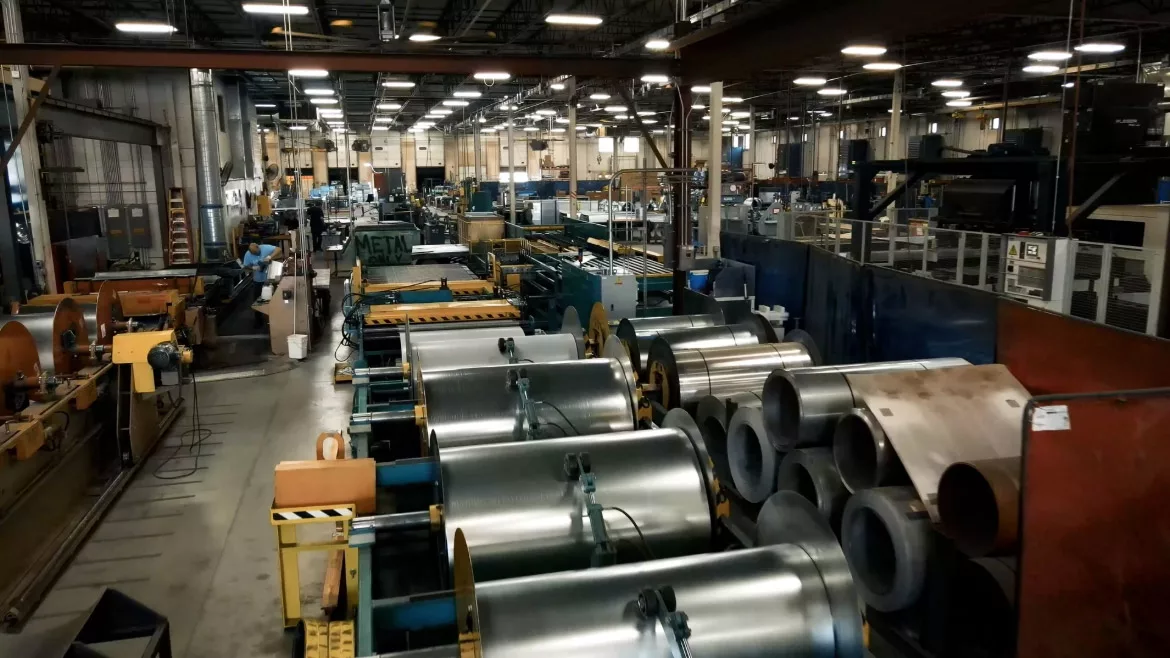
Prefabrication has been part of mechanical construction for a long time, but the way it is being approached today looks very different and continues to evolve. What used to be treated as a way to solve isolated jobsite challenges is now becoming a core part of how projects are planned and delivered.
The difference between contractors who get the most value out of prefabrication and those who don’t comes down to commitment. Prefab is not something that works as a halfway measure – it requires early buy-in and coordination across the entire project team.
Design, engineering, VDC, the job site, and the fabrication shop all need to be involved early and aligned around the same goals. When that alignment happens, prefabrication becomes a practical way to manage labor challenges, improve quality, and compress schedules.
Automation Driving the Biggest Gains
The biggest efficiency gains we have seen in fabrication over the last few years have come from automated machinery, and that is not slowing down anytime soon. We are starting to see more automation and even some robotic welders making their way into mechanical fabrication shops.
As a trade, mechanical contracting has been behind the eight-ball compared to other manufacturing industries when it comes to robotics. That is starting to change. Automation and some early AI-driven machinery are beginning to filter into our shops, and these can help offset the effects of skilled labor shortages. We are going to have to find ways to bridge that gap with whatever means we can.
Prefabrication allows us to do that by moving more work into controlled environments where automation can be applied more effectively. It helps us be more efficient, more consistent, and better positioned to deal with workforce challenges that are likely not going away.
Digital Workflows Becoming the Norm
Beyond automation, digital workflows are making a big difference in how the entire prefabrication process gets done. We are able to utilize tools that allow us to pull up a model of what a system is supposed to look like, and then scan a fabricated assembly to compare it directly to that model.
Those tools can identify quality issues more reliably, instead of us needing to review paper drawings and verify dimensions by hand. It is still early, but it is exciting to see where things are headed.
This is especially important because catching issues in the shop is very different from catching them in the field. When digital workflows connect design, fabrication, and quality control, it gives teams more confidence that what shows up on site is ready to install.
How Prefabrication Compresses Schedules
When it comes to prefab, the earlier it is identified, the better. The earlier we can determine what components are going to be prefabricated, the more opportunities there are and the more value we can provide to the client.
There are projects where we can look at prefab opportunities as early as during estimating. Even at that stage, we can show value, identify ways to save money, and deliver a better system overall.
When prefab is introduced too late, the biggest impact is on the schedule. If components are identified early, we can shorten schedules in a lot of different ways. When prefab is brought in later, we lose those opportunities and start running into logistics and site constraints that make things harder instead of easier.
When prefabrication is planned correctly, the schedule benefits can be significant. For example, we’ve had instances where we’ve been able to put together a complete small mechanical room system on a skid, which is then delivered to the jobsite and only requires a few final connections once it’s in place. Spending time manufacturing that system in the shop allows us to compress the installation schedule onsite.
Risers are another strong example. We can fabricate 40-foot sections, sometimes connect those sections together, and drop them directly into an open shaft. You can have four to eight stories of piping in place within hours, instead of sending a crew floor by floor over several weeks.
Those are just a couple of examples, but when teams get strategic, they often find many more opportunities to work in parallel instead of sequentially.
Productization and Repeatable Systems
Looking ahead, one of the biggest growth opportunities for prefabrication is productization. That means complete modular systems designed for a specific purpose, and designed in the most efficient way to fabricate and deliver – almost like items in a product catalog.
It can be thought of a bit like building with Legos. If you are going to build the same thing over and over again, why not streamline it and create plug-and-play systems? Some markets like hospitals or stadiums are all different shapes and sizes, which makes productization more difficult, but others like data centers are well suited for it, given how consistent they tend to be in design.
Looking Ahead
As prefabrication becomes more central to project delivery and automation technology advances, the role of the fabrication shop will continue to grow and evolve. Sheet metal work has always been prefabricated out of necessity, but automation is now pushing piping work in the same direction.
Ten years ago, it was not uncommon to see projects stick-built in the field. Today, automated machinery makes shop fabrication far more efficient, which is forcing more work to be completed before it ever reaches the job site.
As automation and robotics continue to advance, even more of that work will move into the shop. Field crews will focus more on installation and connections, and less on building systems piece by piece.
If there is one thing that separates contractors who succeed with prefabrication from those who struggle, it is commitment. Prefab requires an all-in mentality.
Every phase of project teams – from design, engineering, and VDC to the job site and the shop – needs to be involved early and aligned around the same goals. A lot of teams struggle because they don’t fully buy into the process early on. Prefabrication takes effort and coordination, but if you really commit to it, the gains are real.
To stay competitive, contractors need to continue investing in automation, robotics, and AI-driven machine learning. Those technologies will keep evolving, but tools alone are not enough.
The real difference will come from how early prefabrication is considered and how fully teams commit to making it part of their project strategy. When that happens, prefabrication becomes a true difference-maker and a reliable way to deliver better projects.
Looking for a reprint of this article?
From high-res PDFs to custom plaques, order your copy today!