The Professor: Low Head Pressure, High Suction Pressure
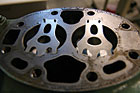
Figure 1: Suction valve. (Courtesy of Ferris State University)
Often, the refrigeration equipment is still running, but the product temperature is suffering about 7 to 10°F. These calls are tough to handle because the compressor is still cooling, but not cooling to its rated capacity. The medium-temperature products will spoil quicker and the low-temperature products are not frozen as solid as they should be. They will also spoil sooner.
There are three main reasons why a reciprocating compressor will simultaneously have a low head pressure and a high suction pressure.
• Bad (leaky) compressor valves;
• Worn compressor piston rings; and
• Leaky oil separator return line.
LEAKY COMPRESSOR VALVES
There are a number of reasons why a compressor’s valves may become inefficient from being warped or having carbon and/or sludge deposits on them preventing them from sealing. (Figures 1 and 2 show a compressor’s suction and discharge valves respectively.)• Slugging of refrigerant and/or oil;
• Moisture and heat causing sludging problems;
• Refrigerant migration problems;
• Refrigerant flooding problems;
• Acids and/or sludge in the system deteriorating parts;
• TXV set wrong, so there is too much superheat causing compressor overheating;
• Undercharge of refrigerant causing compressor overheating; and
• Compressor overheating from low suction or high head pressures.
• Compressor overheating is still today’s most serious and frequently occurring field problem a service technician will face. (My article in the April 5 issue of The NEWS will cover compressor overheating and its causes.)
Below is a service checklist for a reciprocating compressor with valves that are not sealing. The system is an R-134a system with a receiver and TXV.
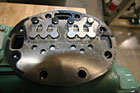
Figure 2: Discharge valve (Courtesy of Ferris State University)
COMPRESSOR WITH LEAKY VALVES
MEASURED VALUESCompressor discharge temp.: 225°F
Condenser outlet temp.: 75°
Evaporator outlet temp.: 25°
Compressor inlet temp.: 55V
Ambient temp.: 75°
Box temp.: 25°
Compressor volts: 230
Compressor amps: low
Lowside (evaporating pressure (psig): 11.6 (10°)
Highside (condensing) pressure (psig): 95 (85°)
CALCULATED VALUES °F
Condenser split: 10
Condenser subcooling: 10
Evaporator superheat: 15
Compressor superheat: 45
Here are some of the symptoms of this system:
• Higher than normal discharge temperatures;
• Low condensing (head) pressures and temperatures;
• Normal to high condenser subcooling;
• Normal to high superheats;
• High evaporator (suction) pressures; and
• Low amp draw.
Higher than normal discharge temperatures: A discharge valve that isn’t seating properly because it has been damaged will cause the head pressure to be low. Refrigerant vapor will be forced out of the cylinder and into the discharge line during the upstroke of the compressor. On the down stroke, this same refrigerant that is now in the discharge line and compressed will be drawn back into the cylinder because of the discharge valve not seating properly.
This short cycling of refrigerant will cause heating of the discharge gases over and over again, causing higher than normal discharge temperatures.
Also, discharge gases being forced through small openings in the damaged or dirty leaky valve will generate excessive heat. This phenomenon is referred to as wiredrawing. However, if the valve problem has progressed to where there is hardly any refrigerant flow rate through the system, there will be a lower discharge temperature from the low flow rate of refrigerant.
Low condensing (head) pressures: Because some of the discharge gases are being short cycled in and out of the compressor’s cylinder, there will be a low refrigerant flow rate to the condenser. This will make for a reduced heat load on the condenser, thus reduced condensing (head) pressures and temperatures.
Normal to high condenser subcooling: There will be a reduced refrigerant flow through the condenser, thus through the entire system. Most of the refrigerant will be in the condenser and receiver. This may give the condenser a bit higher subcooling.
Normal to high superheats: Because of the reduced refrigerant flow through the system, the TXV may not be getting the refrigerant flow rate it needs. High superheats may be the result. However, the superheats may be normal if the compressor’s valve problem is not real severe.
High evaporator (suction) pressure: Refrigerant vapor will be drawn from the suction line into the compressor’s cylinder during the down stroke of the compressor. However, during the upstroke, this same refrigerant may sneak back into the suction line because of the suction valve not seating properly. The results are high suction pressures.
A leaky discharge valve will also allow discharge gas to sneak into the compressor’s cylinder during the down stroke of the compressor. This will cause the suction pressure to increase because of the suction valve being open during part of the down stroke of the compressor.
Low amp draw: Low amp draw is caused from the reduced refrigerant flow rate through the compressor. During the compression stroke, some of the refrigerant will leak through the suction valve and back into the suction line reducing the refrigerant flow.
During the suction stroke, some of the refrigerant will sneak through the discharge valve because of it not seating properly, and get back into the compressor’s cylinder. In both situations, there is a reduced refrigerant flow rate causing the amp draw to be lowered. The low head pressure that the compressor has to pump against will also reduce the amp draw.

Figure 3: Oil is returned to the compressor crankcase through a small return line. (Courtesy of Ferris State University)
WORN COMPRESSOR RINGS
When the compressor’s piston rings are worn, high-side discharge gases will leak through them during the compression stroke giving the system a lower head pressure (Figure 3). Because discharge gases have leaked through the rings and into the crankcase, the suction pressure will also be higher than normal. The resulting symptom will be a lower head pressure with a higher suction pressure. The symptoms for worn rings on a compressor are very similar to leaky valves.LEAKY OIL SEPARATOR
When the oil level in the oil separator becomes high enough to raise a float, an oil return needle is opened, and the oil is returned to the compressor crankcase through a small return line. The pressure difference between the high and low sides of the refrigeration system is the driving force for the oil to travel from the oil separator to the compressor’s crankcase. The oil separator is in the high side of the system and the compressor crankcase in the low side. The float-operated oil return needle valve is located high enough in the oil sump to allow clean oil to automatically return to the compressor’s crankcase. Only a small amount of oil is needed to actuate the float mechanism, which ensures that only a small amount of oil is ever absent from the compressor crankcase at any given time.When the oil level in the sump of the oil separator drops to a certain level, the float forces the needle valve closed. When the ball and float mechanism on an oil separator goes bad, it may bypass hot discharge gas directly into the compressor’s crankcase. The needle valve may also get stuck partially open from grit or a sludging condition in the oil. This will cause high pressure to go directly into the compressor’s crankcase causing high low-side pressures and low high-side pressures.
The oil return line on an oil separator should be just above the ambient (surrounding) temperature. If this line is hot, it is probably an indication that discharge gas is sneaking by a partially stuck open needle valve in the oil separator.
Publication date: 03/08/2010
Looking for a reprint of this article?
From high-res PDFs to custom plaques, order your copy today!