ACHR News
search
Ask ACHR NEWS AI
cart
facebook twitter instagram linkedin youtube
  • Sign In
  • Subscribe
  • Sign Out
  • My Account
ACHR News
  • NEWS
    • Breaking News
    • New HVAC Products
    • Featured Products
    • Manufacturer Reports
    • HVAC Data
    • Legislation
    • ACHR NEWS Centennial
  • RESIDENTIAL
    • Air Conditioners
    • Furnaces
    • Residential Heat Pumps
    • Ductless
    • Residential IAQ
    • Testing, Monitoring, Tools
    • Components & Accessories
  • COMMERCIAL
    • Air Handlers
    • Rooftop Units
    • Chillers and Cooling Towers
    • Commercial Heat Pumps
    • Boilers and Hydronics
    • VRF/Ductless
    • Commercial IAQ
  • REFRIGERATION
    • Refrigerants
    • Refrigerant Regulations
    • Leak Management
  • CONTRACTOR PRO
    • Geothermal
    • Homeowner Study
    • VRF and VRV Ductless
    • Unitary Trends
  • EDUCATION
    • Training and Education
    • Business Management
    • Service and Maintenance
    • Continuing Education
    • Market Research >
      • HVAC Brand Awareness Report
      • VRV, VRF, VRVZ Report
      • Unitary Trends Report
      • Water Heat Professionals Report
    • Webinars
    • Sponsor Insights
    • eProducts Info
    • White Papers
  • EVENTS
    • HVAC Contractor Forum
    • Industry Events and Webinars
  • MEDIA
    • Videos
    • AHR Expo 2025 Videos
    • Podcasts >
      • ACHR News Podcast
      • HARDI Podcasts
      • AHR Expo Podcasts
      • ACCA Podcasts
    • Interactive Spotlights
    • Quizzes
    • eBooks
    • HVAC Talkback
  • HVAC GROUP
    • ACHR NEWS >
      • Current Issue
      • Digital Edition
      • Subscribe
    • Distribution Trends
    • SNIPS NEWS >
      • Join SNIPS NEWS
    • Engineered Systems News >
      • Join ES News
    • HVACR Directory
    • Contests
    • Newsletters
    • Contact
    • Advertise
    • My Account
HVAC ContractingService and Maintenance

Taking Action When Frozen Pipes Burst

By Brian Miller
February 6, 2012
It’s a common winter woe affecting thousands of building owners and managers each year: frozen water pipes that burst. A pipe crack that is just an eighth of an inch can dispense more than 200 gallons of water daily, seriously damaging a building’s structure and contents.

Water damage can mean much more than just soggy carpets. For example, mold and mildew grow rapidly in damp, humid environments, creating an unpleasant smell that permeates floors, walls, and ceilings, even after the water has been removed. Mold also can create health problems for employees that can lead to liability issues. It’s not uncommon for employees to take legal action against a company if they become sick from mold particles in the air.

Damage to the building’s structure and foundation is an issue as well. When water sits for a period of time, the walls, ceilings, and floors absorb the water, which threatens the overall structural integrity of the facility. Total reconstruction often becomes the only option.

Another major threat to business is the loss of expensive equipment.

To minimize water damage caused by a frozen pipe burst, two critical steps must be taken. First, act fast to assess the situation, and then control the environment within the building.

Act Fast and Contact a Water Damage Expert

limiting water damage
Key to limiting water damage is to quickly control three conditions of a building’s atmosphere: relative humidity, temperature, and air circulation.

The absolute first step is to act quickly. Damage resulting from water pipe breaks is progressive. The longer the water flows or wet conditions exist, the greater the recovery problem becomes. Once a pipe break occurs, enlist a water damage consultant to immediately survey the situation. Most are able to respond quickly at any time of the day or day of the week.

In a typical pipe burst scenario, a water damage specialist dispatches a team of water damage recovery professionals to the site to perform a thorough inspection and fully determine the extent of the damage. Then, an intense restoration plan is developed that determines which items are worth restoring and which are better replaced.

Looking for quick answers on air conditioning, heating and refrigeration topics? Try Ask ACHR NEWS, our new smart AI search tool. Ask ACHR NEWS →

After a water damage event, it’s not uncommon for a water damage expert to save clients between 30 and 70 percent of the cost needed to replace contents and/or reconstruct a facility, and limit business interruption to less than a week’s time. Without assistance from a water damage consultant, reconstruction efforts can take weeks if not months, causing aggravation and longer business delays.

Controlling the Interior Environment

Another key in limiting water damage is to quickly control three conditions of a building’s atmosphere: relative humidity, temperature, and air circulation. Fast, effective action will generally confine the damage to the area directly affected by the water damage event.

A highly effective way to control these conditions in a high-moisture environment, especially a large facility, is to employ a disaster drying expert who combines air movers with desiccant dehumidifiers.

Disaster drying often eliminates the need to rip out and replace walls, carpet, floor covering, hardwood floors, and the building structure. It also prevents odors and staining caused by mold and mildew — a major problem that can come back to haunt facility owners weeks later in a building that wasn’t sufficiently dried.

Desiccant Dehumidifiers Key

A facility severely water damaged often needs to employ high volume desiccant dehumidifiers. Some larger desiccant dehumidifiers can pull 800 gallons of water out of a building in one day, compared to the typical small refrigeration units that remove about five gallons a day.

Many people are surprised that “solid” materials such as concrete and hard woods absorb moisture. But they do and rather quickly.

Removing water involves a phenomenon called migration. Migration is the tendency for water molecules to move toward a low vapor pressure. Filling a room with very dry air, which has low vapor pressure, causes trapped water to migrate outward and evaporate from the surface by the dry air. As the air in the room fills with water vapor, it is then expelled.

It’s also important the dehumidification equipment is correctly sized for the space. Inappropriately sized drying equipment can lead to insufficient drying and long-term problems.

Best Defense: A Disaster Recovery Plan

Winter water damage via broken water pipes is a common problem and does not discriminate. To minimize damage and costs, companies need to think ahead about what to do in a water damage event and contact a water damage expert to create a disaster recovery plan. A disaster recovery plan can limit the extent of water damage occurrences by defining and prioritizing the recovery of areas within a facility and stating immediate next steps. Proper planning and fast action are most certainly the best defense to preventing a catastrophic water damage event.

Publication date: 02/06/2012

KEYWORDS: dehumidification

Share This Story

Looking for a reprint of this article?
From high-res PDFs to custom plaques, order your copy today!


Brian Miller is business development specialist with Polygon, a leader in water and fire damage restoration and remediation, and for temporary climate control in construction and industrial applications. Miller can be reached at brian.miller@polygongroup.com. For more information, visit www.polygongroup.com.

Recommended Content

JOIN TODAY
To unlock your recommendations.

Already have an account? Sign In

  • HVAC-enrollment

    The Trades Are Back: HVACR Programs See Nearly 30% Enrollment Spike

    A new wave of future technicians is entering the pipeline.  
    Training and Education
    By: Matt Jachman
  • 2025 Top 40 Under 40

    2025 Top 40 Under 40 HVACR Professionals List

    The 11th annual Top 40 Under 40 list highlights those...
    HVAC Commercial Market
    By: Hannah Belloli-Oster
  • LG Ductless Mini-Split Systems

    The 9 Types of Heat Pumps

    As the U.S. moves toward electrification, heat pumps are...
    HVAC Residential Market
    By: Joanna R. Turpin
Subscription Center
  • Create an Account
  • Start a Subscription
  • Manage My Account
  • Sign Up for Newsletters
  • Visit Customer Service
  • Update Preferences

More Videos

Sponsored Content

Sponsored Content is a special paid section where industry companies provide high quality, objective, non-commercial content around topics of interest to The News audience. All Sponsored Content is supplied by the advertising company and any opinions expressed in this article are those of the author and not necessarily reflect the views of The News or its parent company, BNP Media. Interested in participating in our Sponsored Content section? Contact your local rep!

close
  • Piggy Bank
    Sponsored byWatercress Financial

    Energy Prices, Inflation, and HVAC: What Today’s Homeowners Care About

  • Refrigerated Food
    Sponsored bySolstice Advanced Materials

    R-455A Refrigeration: A Cold Storage Solution for the Future

  • Airex Rooftop Units
    Sponsored byAirex Manufacturing Inc

    Consolidating Roof Penetrations: A Growing Trend in Multifamily HVAC Design

Popular Stories

HVAC-Price-Increase-graphic

HVAC Price Increase List: June 2026

Trump-Section-232.jpg

Trump Reduces Section 232 Tariffs on HVAC Equipment to 15%

R410A-Refrigerant-Cylinder.jpg

Refrigerant Recovery is a Revenue Opportunity

Heat-pump-cutaway.jpg

PFAS Rules and A2L Building Codes Continue to Evolve

Kroger.jpg

Kroger to Spend $100 Million to Reduce Refrigerant Leaks

View The ACHR NEWS
Centennial Anniversary Timeline

The ACHR News Timeline Chart
Submit a Letter
Submit a letter to our editors.

Events

November 6, 2025

Next-Gen Data Center Cooling: HVAC Innovation and Real-World Solutions

On Demand As AI workloads and high-density computing push traditional cooling methods to their limits, the data center industry is accelerating the adoption of next-generation HVAC technologies.

June 17, 2026

Decarbonization Without Disruption

This webinar will explore practical HVAC decarbonization strategies that minimize disruption while maximizing long-term performance and ROI.

View All Submit An Event

Poll

Summer Staff

Are you fully staffed for the summer season?
View Results Poll Archive

Products

BNI Mechanical/Electrical Square Foot Costbook, 2026 Edition

BNI Mechanical/Electrical Square Foot Costbook, 2026 Edition

See More Products
Decarbonization Without Disruption - Free Webinar - 6/17/2026

Related Articles

  • Homeowners Taking Action This Winter

    See More
  • Nov. 25, 2005: ServiceMagic Says Consumers Are Taking Action To Save Energy

    See More
  • industrial pipes

    Four potential pitfalls to consider when insulating industrial pipes and vessels

    See More

Related Products

See More Products
  • The ACHR News - December 15 2025

    ACHR NEWS December 15, 2025, Issue

  • The ACHR NEWS - March 16, 2026

    ACHR NEWS March 16, 2026, Issue

  • Training-Managing-System-2017.jpg

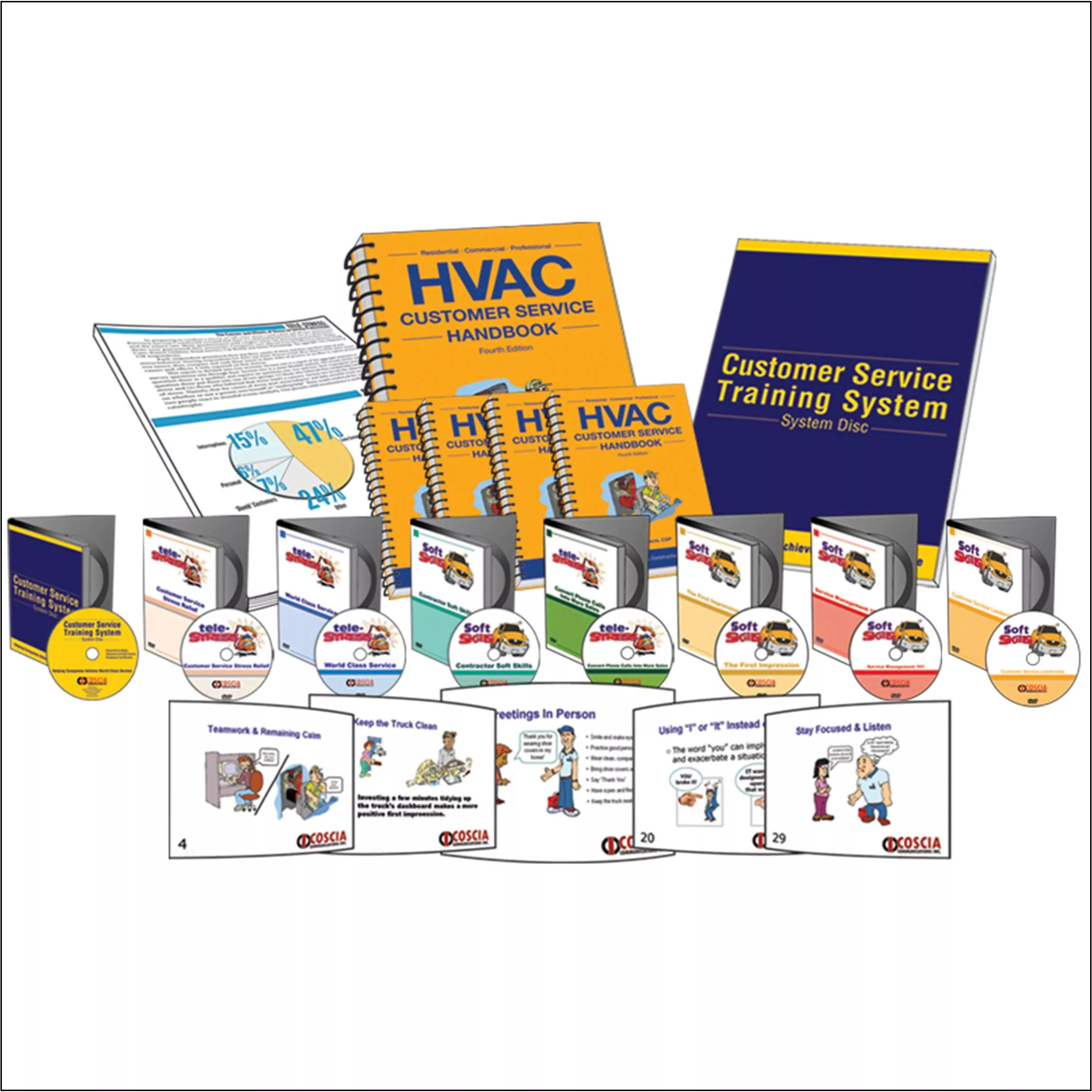
    Customer Service Training & Managing System by Steve Coscia

See More Products

Events

View AllSubmit An Event
  • November 12, 2025

    A2L in Action: Proven Performance in Cold Storage

    On Demand This webinar will provide insights into the process, challenges, and successes of implementing this new A2L technology, showcasing how industry leaders are paving the way for a more efficient and environmentally friendly future.
  • October 14, 2012

    Taking Energy Solutions to the Next Level: Selling Efficiency Effectively

    MSCA LIVE 2012's optional program, Taking Energy Solutions to the Next Level: Selling Efficiency Effectively,will highlight the true value of improving energy efficiency.
View AllSubmit An Event

Related Directories

  • Action Sales

    Action Sales was founded in 1994. We service the Plumbing and HVAC trades for California, Washington. Oregon, Nevada and Hawaii.
  • American Frozen Food Institute

    The American Frozen Food Institute is the member-driven national trade association representing all segments of the frozen food supply chain from manufacturers to suppliers and distributors. AFFI advocates before legislative and regulatory entities on the industry's behalf, serves as the voice for the industry and convenes industry leadership to create an environment where frozen foods are essential in a dynamic marketplace.
×

Sign Up. Stay Informed.

The #1 trusted source for the HVACR industry since 1926

SUBSCRIBE
  • RESOURCES
    • Advertise
    • Contact Us
    • Advisory Board
    • Classifieds
    • Submit a Letter
    • Directories
    • Store
  • ACCOUNT CENTER
    • Create an Account
    • Start a Subscription
    • Manage My Account
    • Sign Up for Newsletters
    • Visit Customer Service
    • Update Preferences
  • SERVICES
    • Marketing Services
    • Reprints
    • Market Research
    • List Rental
    • Survey/Respondent Access
  • STAY CONNECTED
    • LinkedIn
    • Facebook
    • Instagram
    • YouTube
    • X (Twitter)
  • PRIVACY
    • PRIVACY POLICY
    • TERMS & CONDITIONS
    • DO NOT SELL MY PERSONAL INFORMATION
    • PRIVACY REQUEST
    • ACCESSIBILITY

Copyright ©2026. All Rights Reserved BNP Media, Inc. and BNP Media II, LLC.

Design, CMS, Hosting & Web Development :: ePublishing