
Articles Tagged with ''cooling towers''

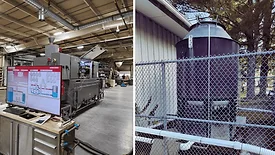
HDPE Cooling Tower from the Early ’80s Still 'Chillin’ to the Max'
A four-decade-old HDPE cooling tower still powers critical RF heating operations at a Massachusetts manufacturer
Read More
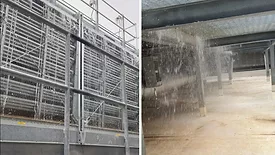
Unstable Transitions in HVAC: Chiller Rotation Part II
Cooling tower spillover during chiller rotation shows how thoughtful programming, sequence tweaks, and field fixes can tackle system instability in both winter and summer conditions
Read More


Why a Metal Manufacturer Opted for Plastic in Cooling Tower Upgrade
A sintered metals plant finds long-term reliability and cost savings by replacing corrosion-prone metal towers with corrosion-proof engineered plastic
Read More

Decatur Public Library’s New Adiabatic Cooling System Improves Comfort and Efficiency
Team effort brings cutting-edge, water-saving HVAC technology to the heart of Decatur, Illinois
Read More

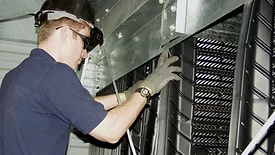
Why Genuine Parts Matter for Cooling System Reliability
The debate over genuine versus third-party cooling system parts isn’t just about price tags
Read More
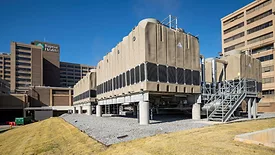
From Cooling Towers to Cost Savings: Hospital Seizes Power Saving Opportunity
Arkansas hospital increases energy efficiency by diagnosing cooling tower issues and treating its entire mechanical system
Read More

Sustainable Cooling Towers: The Path Forward
Leading the evolution of eco-friendly thermal solutions
Read More