Why a Metal Manufacturer Opted for Plastic in Cooling Tower Upgrade
A sintered metals plant finds long-term reliability and cost savings by replacing corrosion-prone metal towers with corrosion-proof engineered plastic
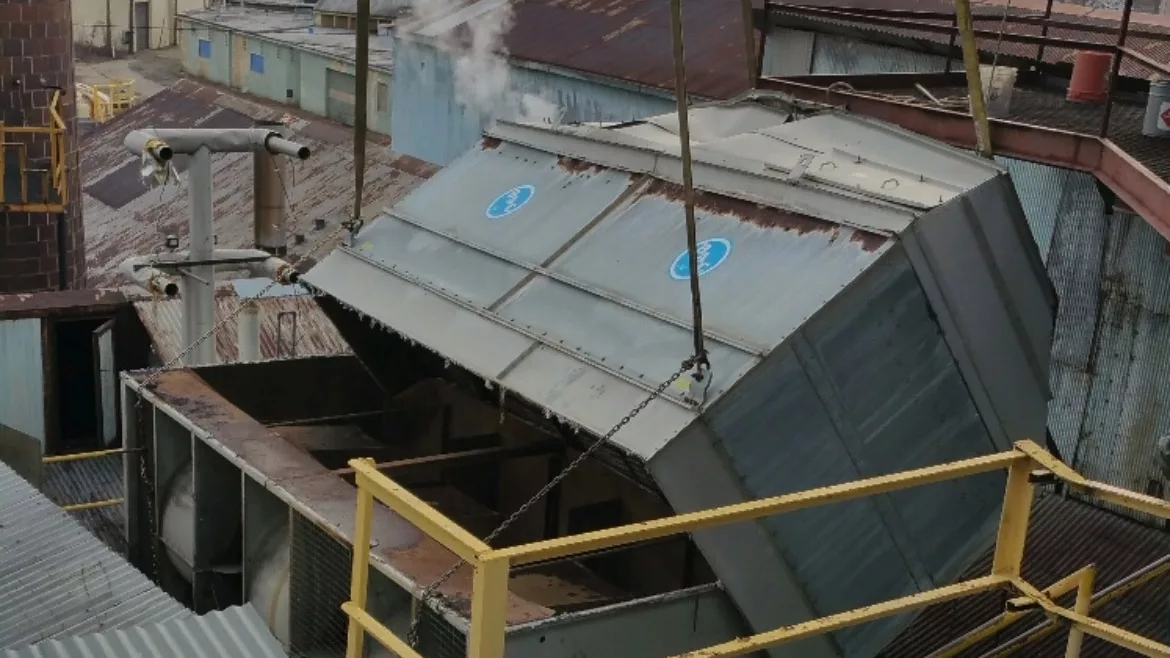
COOL: The original BAC cooling tower at the sintered metals facility showed significant signs of rust and corrosion.
In powder metallurgy, material selection is everything. Choosing the right alloy determines whether a component will deliver reliable, long-term performance under intense environmental conditions like high heat, extreme pressure, or excessive wear. A miscalculation can result in increased maintenance needs, premature failures, and costly downtime for end users.
The same principle applies to cooling towers. These systems are essential to industrial operations, constantly regulating heat loads to keep processes running smoothly. The material used in their construction plays a critical role in determining reliability and longevity. Many towers are built from galvanized metal, which is highly susceptible to corrosion and rust. Over time, this can result in greater maintenance demands, unplanned downtime, and expensive repairs.
For one sintered metals facility located in Western Pennsylvania, the decision to break away from traditional metal cooling towers was driven by both necessity and experience. Faced with unique high-temperature cooling needs and the financial burden of repeated replacements, the plant opted for high-density polyethylene (HDPE) engineered plastic for its most recent upgrade.
The Heat is On
In process cooling, few applications push the limits quite like powder metal sintering. Inside a sintering furnace, temperatures in the high-heat zone can reach several thousand degrees Fahrenheit. The process bonds and shapes metal particles using heat and pressure without fully melting the material. This controlled fusion creates strong, precise parts while maintaining the desired material properties.
At the Pennsylvania facility, the water leaving some furnace zones is nearly boiling, requiring a specialized cooling system.
“They had a unique setup with hot and cold wells to manage those temperatures,” explained Timothy Keister, chief chemist and head of the performance chemical division at ProChemTech.
Here’s how it works: Hot water from the furnaces flows into a hot well and is then pumped to the top of the cooling tower. After it is cooled, the water is stored in a cold well before being recirculated back to the furnaces. At the same time, the cold well water is continuously overflowing at a set rate into the hot well to decrease the temperature of the water going to the cooling tower.
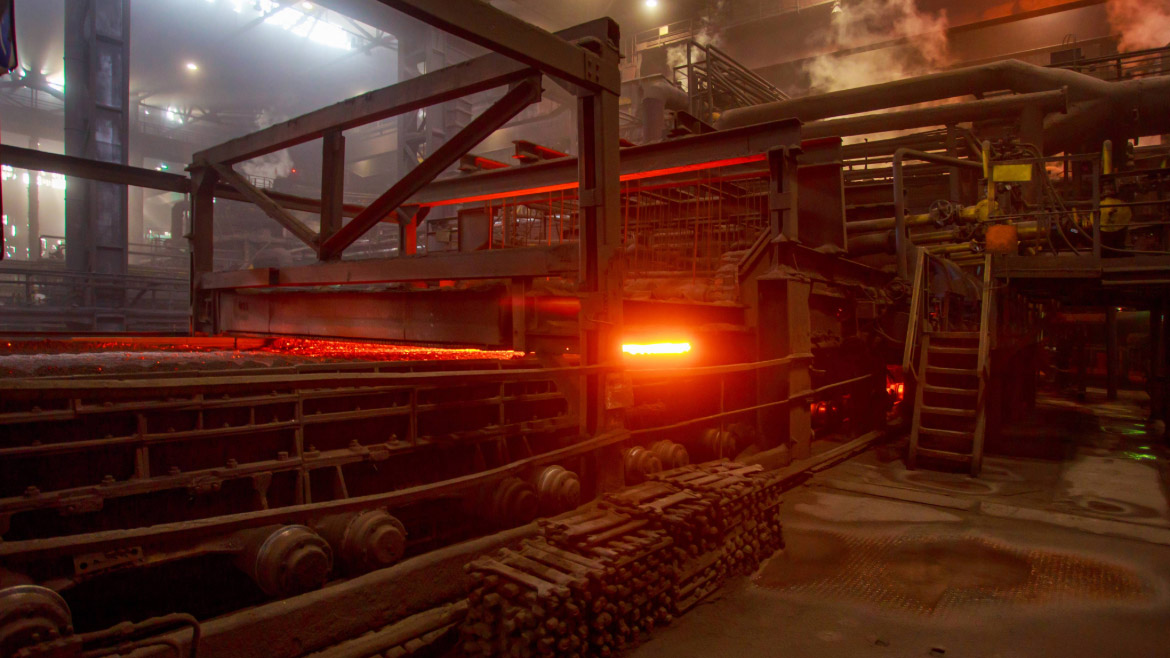
MILL: A view inside a steel mill, where robust cooling is essential to keep high-temperature processes running safely and efficiently. (Courtesy of Delta Cooling Towers)
“We called this a quench circuit, and it kept temperatures below the melting point of the tower’s internal fill,” added Keister.
Due to these extreme operating conditions, the system operates with an unusually high temperature differential. Water enters the cooling tower at roughly 105°F and exits at 85°F – a much larger ΔT than the typical 10°F seen in many industrial cooling applications.
With this kind of heat load, reliability is critical. While some facilities have emergency city water backups to prevent catastrophic furnace damage, if the cooling system fails, production stops.
“There was a lot riding on these towers,” said Keister. “Downtime was not an option.”
Stronger Bond Formed with HDPE
For decades, galvanized metal was the default material for cooling towers. While it can perform well in certain environments, metal is vulnerable to a range of chemical and mechanical stresses that limit its lifespan.
“With galvanized steel, you have to be very careful with your water chemistry,” explained Keister. “If the pH goes above about 8.2, you get what’s called white rust. That eats the galvanized coating right off, leaving bare metal exposed, and corrosion sets in very quickly.”

HDPE: The new Delta Cooling Towers HDPE system installed at the Pennsylvania plant, offering seamless, corrosion-proof performance. (Courtesy of Delta Cooling Towers)
Keister has personally witnessed metal towers disintegrate in as little as five years, and most fall in the 10- to 15-year range.
Even stainless steel, often viewed as the premium option, is not invincible. In areas with high chloride levels, operators risk chloride stress corrosion cracking, especially at points where the metal has been bent or formed. In some cases, chlorides and certain chemical additives can react to form chlorine, which aggressively attacks stainless surfaces.
“I’ve seen stainless towers develop pinholes through the bottom within just a couple of years if the water chemistry is not just right,” Keister recalled.
The financial implications go far beyond maintenance costs. While a new tower itself might cost anywhere from $80,000 to $150,000, installation can be double or even triple that. Cranes are required to lift the old unit out and place the new one, sometimes requiring nearby rail lines or roads to be closed.
Keister recalled one project where an aging metal tower was so badly corroded that it broke in half mid-lift, nearly causing catastrophic damage to the building below.
“When you add up the cost of replacing the tower and the installation every 10 or 15 years, it becomes incredibly expensive,” Keister said. “If you can avoid those repeat installations, you’re way ahead of the game.”
HDPE tower lifespans range from 30 to 50 years, dramatically reducing the need for costly replacements and installations.
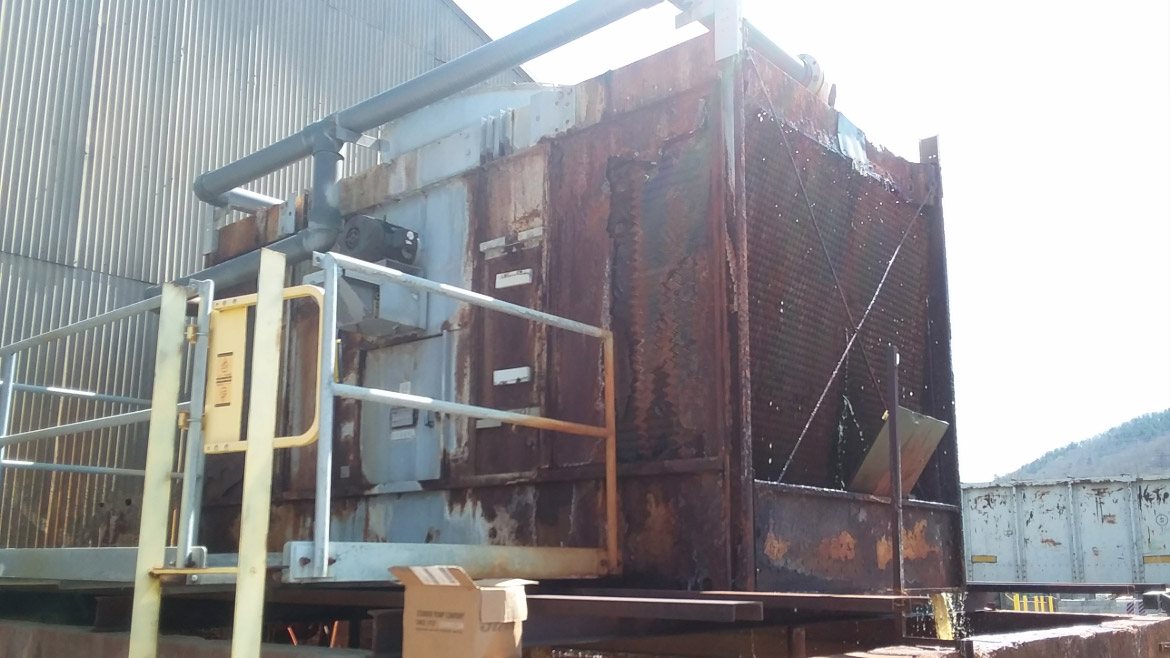
Routine replacement on the old galvanized steel BAC system, which struggled with water chemistry and frequent repairs. (Courtesy of Delta Cooling Towers)
A Cool Decision to Spec Engineered Plastic
When it came time for their latest upgrade, the Pennsylvania sintering plant carefully evaluated its options. The facility needed a 435-gallon-per-minute unit that could meet current production demands while supporting expected growth over the next decade. After reviewing stainless steel and engineered plastic designs, the decision was clear: engineered plastic offered a level of durability, reliability, and long-term performance that metal simply couldn’t match.
HDPE cooling towers have steadily gained ground in industrial applications because of their ability to solve many of the challenges that plague metal tower designs. For this plant, several key benefits drove the decision:
- Corrosion-proof and chemically resistant:Unlike metal towers, HDPE is completely impervious to rust and corrosion. This resistance makes it ideal for facilities with fluctuating or challenging water chemistry, reducing both chemical costs and maintenance requirements.
- Seamless, one-piece construction:Most metal towers are assembled on-site using many pieces, which creates seams that eventually become leakage points. HDPE towers are molded as a single, seamless piece, eliminating this risk entirely.
- Simpler, lower-cost installation:Engineered plastic cooling towers are significantly lighter than metal, which means smaller cranes and less complex rigging. This makes them faster and more affordable to install.
Material Gains
Working with ProChemTech, the plant selected a Paragon model manufactured by Delta Cooling Towers, which has a maximum cooling capacity of up to 250 tons and comes with a 20-year warranty. ProChemTech supplied the complete package, including the tower, pumps, and central control panel that manages the entire system.
As industrial facilities face increasing pressure to reduce costs, improve reliability, and minimize downtime, many are rethinking their approach to cooling tower materials.
“Just as precise material selection inside the plant’s furnaces ensures strong, consistent parts,” concluded Keister. “Selecting the right material for the cooling tower will keep those furnaces – and the entire operation – running smoothly for decades to come.”
Looking for a reprint of this article?
From high-res PDFs to custom plaques, order your copy today!