ACHR News
search
Ask ACHR NEWS AI
cart
facebook twitter instagram linkedin youtube
  • Sign In
  • Subscribe
  • Sign Out
  • My Account
ACHR News
  • NEWS
    • Breaking News
    • New HVAC Products
    • Featured Products
    • Manufacturer Reports
    • HVAC Data
    • Legislation
    • ACHR NEWS Centennial
  • RESIDENTIAL
    • Air Conditioners
    • Furnaces
    • Residential Heat Pumps
    • Ductless
    • Residential IAQ
    • Testing, Monitoring, Tools
    • Components & Accessories
  • COMMERCIAL
    • Air Handlers
    • Rooftop Units
    • Chillers and Cooling Towers
    • Commercial Heat Pumps
    • Boilers and Hydronics
    • VRF/Ductless
    • Commercial IAQ
  • REFRIGERATION
    • Refrigerants
    • Refrigerant Regulations
    • Leak Management
  • CONTRACTOR PRO
    • Geothermal
    • Homeowner Study
    • VRF and VRV Ductless
    • Unitary Trends
  • EDUCATION
    • Training and Education
    • Business Management
    • Service and Maintenance
    • Continuing Education
    • Market Research >
      • HVAC Brand Awareness Report
      • VRV, VRF, VRVZ Report
      • Unitary Trends Report
      • Water Heat Professionals Report
    • Webinars
    • Sponsor Insights
    • eProducts Info
    • White Papers
  • EVENTS
    • HVAC Contractor Forum
    • Industry Events and Webinars
  • MEDIA
    • Videos
    • AHR Expo 2025 Videos
    • Podcasts >
      • ACHR News Podcast
      • HARDI Podcasts
      • AHR Expo Podcasts
      • ACCA Podcasts
    • Interactive Spotlights
    • Quizzes
    • eBooks
    • HVAC Talkback
  • HVAC GROUP
    • ACHR NEWS >
      • Current Issue
      • Digital Edition
      • Subscribe
    • Distribution Trends
    • SNIPS NEWS >
      • Join SNIPS NEWS
    • Engineered Systems News >
      • Join ES News
    • HVACR Directory
    • Contests
    • Newsletters
    • Contact
    • Advertise
    • My Account
RefrigerationRefrigerants

Ammonia: Dangerous and Deadly

By John R. Hall
March 26, 2012
Ammonia is both a friend to refrigeration contractors and a danger, too. When used properly in refrigeration units, its outstanding heat transfer capabilities can keep food cold for long periods of time, it does not harm the environment, and it is biodegradable. These features make it a good choice to meet today’s green standards. In recent years, ammonia refrigerant has been replaced — to some degree — by Freon, but it is still widely used despite many reports of severe toxicity after unintentional exposure to it.

So it is important to note that despite its decreased use as a refrigerant, ammonia is still making headlines because of its danger to human health. For example, according to a recent item in the Los Angeles Times, an incident last fall at a California nuclear plant caused an ammonia leak, which lead to evacuation of some workers “as a precautionary measure.” (To see the entire article, click here.)

Although injury from ammonia most commonly is caused by inhalation, ammonia injury also may be due to ingestion or direct contact with eyes or skin.

Due to its temperature (-33°C) liquid ammonia freezes skin tissue on contact. Normally, severe skin damage begins at -4°C and becomes irreversible at -20°C. As with any exposure, the degree of severity and damage is proportional to the length of exposure and ammonia concentration. The same is true when ammonia is inhaled — damage to the respiratory system depends on the length of exposure and concentration. Similarly, the degree of tissue injury is also proportional to the duration and concentration of exposure.

According to statistics in the 2009 Annual Report of the American Association of Poison Control Centers’ National Poison Data System, in the United States there were 2,570 single exposures of ammonia. There were three reported fatalities. Over 90 percent of these exposures were classified as intentional — the majority of those through ingestion and not inhalation, which is usually unintentional.

Truly Irritating

Some consequences of ammonia inhalation include immediate burning of the nose, throat, and respiratory tract leading to bronchiolar and alveolar edema, airway destruction, and respiratory distress or failure. Inhalation can also cause coughing, nose and throat irritation. On the one hand, ammonia’s odor signals its presence, but on the other hand ammonia also causes olfactory fatigue or adaptation, which reduces a person’s awareness of prolonged exposure.

Exposure to low concentrations of ammonia can result in rapid skin or eye irritation, while exposure to higher concentrations can cause severe injury and burns. Contact with concentrated ammonia solutions, i.e., cleaning solutions, can cause corrosive injury including skin burns, permanent eye damage, or blindness. Contact with liquefied ammonia can also cause frostbite injury.

If ingested, ammonia can cause corrosive damage to the mouth, throat, and stomach, but it may not necessarily result in systemic poisoning.

Looking for quick answers on air conditioning, heating and refrigeration topics? Try Ask ACHR NEWS, our new smart AI search tool. Ask ACHR NEWS →

Similar to other poisons, such as carbon monoxide, exposure can be measured by concentrations in ppm (parts per million) in the air. Here are effects of ammonia at various concentrations.

• 25-50 ppm – Detectable odor; unlikely to experience adverse effects;

• 50-100 ppm – Mild eye, nose, and throat irritation; may develop tolerance in one-two weeks with no adverse effects thereafter;

• 140-400 ppm – Moderate eye irritation; moderate throat irritation;

• 700 ppm – Immediate eye injury;

• 1,000 ppm – Directly caustic to airway;

• 2,500 ppm – Fatality (after half-hour exposure).

It is easy to see that exposure to ammonia is no laughing matter. Even though moderate exposure results in little or slight discomfort, lengthy exposure to higher concentrations can result in serious injury or even death.

Proper precaution is the key to healthy employees and lower medical insurance costs — two winning combinations for a growing business. And keeping your refrigeration service and replacement business out of negative headlines can go a long way to staying in business.

Publication date: 03/26/2012

KEYWORDS: ammonia refrigeration refrigeration systems

Share This Story

Looking for a reprint of this article?
From high-res PDFs to custom plaques, order your copy today!


John R. Hall can be reached at jrhidea@gmail.com.

Recommended Content

JOIN TODAY
To unlock your recommendations.

Already have an account? Sign In

  • HVAC-enrollment

    The Trades Are Back: HVACR Programs See Nearly 30% Enrollment Spike

    A new wave of future technicians is entering the pipeline.  
    Training and Education
    By: Matt Jachman
  • 2025 Top 40 Under 40

    2025 Top 40 Under 40 HVACR Professionals List

    The 11th annual Top 40 Under 40 list highlights those...
    HVAC Residential Market
    By: Hannah Belloli-Oster
  • LG Ductless Mini-Split Systems

    The 9 Types of Heat Pumps

    As the U.S. moves toward electrification, heat pumps are...
    HVAC Commercial Market
    By: Joanna R. Turpin
Subscription Center
  • Create an Account
  • Start a Subscription
  • Manage My Account
  • Sign Up for Newsletters
  • Visit Customer Service
  • Update Preferences

More Videos

Sponsored Content

Sponsored Content is a special paid section where industry companies provide high quality, objective, non-commercial content around topics of interest to The News audience. All Sponsored Content is supplied by the advertising company and any opinions expressed in this article are those of the author and not necessarily reflect the views of The News or its parent company, BNP Media. Interested in participating in our Sponsored Content section? Contact your local rep!

close
  • Piggy Bank
    Sponsored byWatercress Financial

    Energy Prices, Inflation, and HVAC: What Today’s Homeowners Care About

  • Refrigerated Food
    Sponsored bySolstice Advanced Materials

    R-455A Refrigeration: A Cold Storage Solution for the Future

  • Airex Rooftop Units
    Sponsored byAirex Manufacturing Inc

    Consolidating Roof Penetrations: A Growing Trend in Multifamily HVAC Design

Popular Stories

HVAC-Price-Increase-graphic

HVAC Price Increase List: June 2026

Trump-Section-232.jpg

Trump Reduces Section 232 Tariffs on HVAC Equipment to 15%

R410A-Refrigerant-Cylinder.jpg

Refrigerant Recovery is a Revenue Opportunity

Heat-pump-cutaway.jpg

PFAS Rules and A2L Building Codes Continue to Evolve

Kroger.jpg

Kroger to Spend $100 Million to Reduce Refrigerant Leaks

View The ACHR NEWS
Centennial Anniversary Timeline

The ACHR News Timeline Chart
Submit a Letter
Submit a letter to our editors.

Events

November 6, 2025

Next-Gen Data Center Cooling: HVAC Innovation and Real-World Solutions

On Demand As AI workloads and high-density computing push traditional cooling methods to their limits, the data center industry is accelerating the adoption of next-generation HVAC technologies.

June 17, 2026

Decarbonization Without Disruption

This webinar will explore practical HVAC decarbonization strategies that minimize disruption while maximizing long-term performance and ROI.

View All Submit An Event

Poll

Summer Staff

Are you fully staffed for the summer season?
View Results Poll Archive

Products

BNI Mechanical/Electrical Square Foot Costbook, 2026 Edition

BNI Mechanical/Electrical Square Foot Costbook, 2026 Edition

See More Products
A2L Refrigerants - Free Webinar - May 21, 2026

Related Articles

  • Survey: 80 Percent of UK Ammonia Refrigeration Fails to Meet Dangerous Substances Standards

    See More
  • Playing It Safe With Ammonia

    See More
  • Picking Ammonia Can Be Smart

    See More

Related Products

See More Products
  • low grade.png

    Low GWP Refrigerant Safety: Flammable & Mildly Flammable Refrigerants Manual

  • quick guide.png

    Quick Guide to Refrig Cycle, Refrigerants, Components

  • Tech_CommRef_Guide_Small.jpg

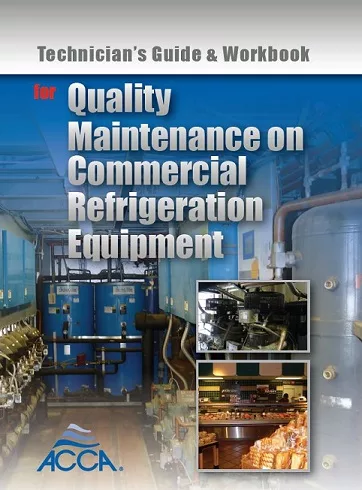
    Technician’s Guide & Workbook for Quality Maintenance on Commercial Refrigeration Equipment

See More Products

Related Directories

  • SnoBlox-Snojax

    Snow Guard systems that prevent the dangerous movement of snow and ice on metal roofs, snow guards, vent savers, roof clamps, standing seam clamps, snow retention.
×

Sign Up. Stay Informed.

The #1 trusted source for the HVACR industry since 1926

SUBSCRIBE
  • RESOURCES
    • Advertise
    • Contact Us
    • Advisory Board
    • Classifieds
    • Submit a Letter
    • Directories
    • Store
  • ACCOUNT CENTER
    • Create an Account
    • Start a Subscription
    • Manage My Account
    • Sign Up for Newsletters
    • Visit Customer Service
    • Update Preferences
  • SERVICES
    • Marketing Services
    • Reprints
    • Market Research
    • List Rental
    • Survey/Respondent Access
  • STAY CONNECTED
    • LinkedIn
    • Facebook
    • Instagram
    • YouTube
    • X (Twitter)
  • PRIVACY
    • PRIVACY POLICY
    • TERMS & CONDITIONS
    • DO NOT SELL MY PERSONAL INFORMATION
    • PRIVACY REQUEST
    • ACCESSIBILITY

Copyright ©2026. All Rights Reserved BNP Media, Inc. and BNP Media II, LLC.

Design, CMS, Hosting & Web Development :: ePublishing