the NEWS
Advertisement:
HVACR Directory | Extra Edition | Learning Center | Editorial Blogs | Product Gallery
  Home
  About the NEWS
  Subscription Info
  e-Newsletters
  Contact Us
  Resources
  Archived Editorial
  Blogs
  Career Center - Employers
  Career Center - Job Seekers
  Columns
  Distributor Corner
  Calendar of Events
  HVACR Directory
  Industry Links
  Learning Center
  Letters
  Manufacturer Reports
  Regional Reports
  Reprints
  Survey Says
  Training Track
  Webinars
  AEC Store
  Market Research
  Extra Edition
  HVACR Forum
  Legal forum
  Business Management
  Dot Comment
  Energy Matters
  Features
  Newsline
  People
  Service Hotline
  Service & Maintenance
  Technical
  Advertising
  Ad Index
  Media Kit
  Submit Press Release
  Services
  Classifieds
  Digital Edition
  Post Cards
Search in: EditorialProductsCompanies
Troubleshooting Challenge: A Soda Vending Machine That’s Not Performing Properly … Sometimes
by Jim Johnson
September 7, 2009

ARTICLE TOOLS
EmailEmailPrintPrintReprintsReprintsshareShare


Enlarge this picture
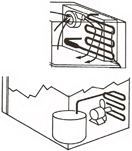
Figure 1. (Click on the image for an enlarged view.)
This month’s problem piece of equipment is a soda vending machine that has basically the same refrigeration system as a standard household refrigerator in which a standard capillary tube metering device is used to feed the evaporator. The other “refrigerator” similarities are a fan-cooled condenser and a forced-air evaporator. Figure 1 shows you an illustration of the evaporator section of the system (top) and the condenser section located in the lower part of the cabinet.

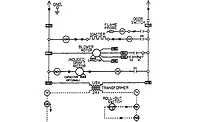
The complaint from the customer, who has positioned the unit outside their small motel, is that while the soda seems to be properly cooled during the middle of the day, there are times when the product is warmer than desired. Temperatures during the day are in the mid 70s, while the temperature later in the day drops to the low 40s. When you make your initial stop early in the afternoon, you note that the unit seems to be operating normally with both the evaporator and condenser fan motor running normally. And, when you check the wiring diagram, you note the condenser fan wiring shown in the partial diagram in Figure 2.


Figure 2.
Since your initial check of the equipment shows no problems, you decide to schedule a second trip back to further evaluate the situation after the outside temperature has dropped. When you return during the low-ambient situation, you note that both the evaporator and condenser fan motor are again operating normally.

Your troubleshooting question: What is the next step you need to take to resolve the cooling problem with this equipment?

Compare your answer with ours by clicking here.

Publication date: 09/07/2009


Jim Johnson
is the director of training for Technical Training Associates, a Tucson, Ariz.-based firm that provides HVACR technician training DVDs/videos, E-books, and workshops. For more information, call 520-625-6847 or visit www.technicaltrainingassoc.com.

|PrintEmail

Did you enjoy this article? Click here to subscribe to the magazine.


© 2009 BNP Media. All rights reserved. | Privacy Policy
Your Feedback