Chiller Maintenance
The chiller maintenance tool that contributes most to a chiller's overall efficiency is the daily log. (We have one in our Chiller Evaluation Manual, available at http://hvacr-resource.com/.) An accurate daily log will provide a daily snapshot of the chillers operating characteristics. This makes abnormal conditions easy to spot, so corrective action can be taken before problems get serious and expensive.
What kind of checks should a chiller maintenance program include?
• Periodically, and before the cooling season, you have to check the chiller starter and controls.
• Make sure there’s no litter, dirt, or debris in the panels.
• Make sure all the linkages move freely.
• Make sure the overloads are set correctly and that they work.
• Make sure all wiring connections are tight.
• Check all contacts for pitting and corrosion.
Verify that the safeties and controls all work.
Of course, chiller maintenance requires careful periodic inspection of the compressors. Look for signs of overheating, look for oil leaks, and check the motor terminals for pitting, corrosion, or loose connections.
Make sure the crankcase heaters are working properly. Check the compressor oil level and oil filter, and follow the manufacturer's guidelines about the frequency of changing them out.
 Another important chiller maintenance procedure is to follow the manufacturer's guidelines about having an oil sample analyzed for destructive acids and corrosive materials, and having the oil filter analyzed for metal deposits.
It's also a good idea to have a refrigerant sample analyzed periodically to see if there's moisture, acid, or rust present.
The oil, filter, and refrigerant analysis will give you a good picture of the chiller's condition, and will enable you to schedule corrective action if it's needed.
Of course, check operating pressures and temperatures, and evaluate whether or not the chiller has a full refrigerant charge.
Our Chiller Evaluation Manual, noted above, also has cycle diagrams of air-cooled and water-cooled chillers, and guidelines on evaluating chiller operating pressures and temperatures.
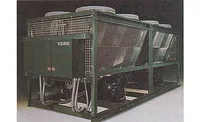
Air-cooled chiller maintenance will include cleaning the condenser coils and verifying that the condenser fans are all working properly.
A very effective predictive maintenance procedure is eddy current tube testing. A trained technician runs a small electric current through each tube and analyzes the current flow. Eddy current testing of the chiller tubes can help identify internal pitting, freeze damage, support wear, zipper cracks, and corrosion.
Eddy current testing is recommended at intervals of three to five years, and can be done by a trained technician in two or three days. It can help indicate corrective repairs that will prevent major breakdowns.
This article should help you in understanding some of the essential chiller maintenance procedures. For a detailed guide on your specific installation, contact the chiller's manufacturer and follow their recommendations.
Publication date: 08/06/2007
What kind of checks should a chiller maintenance program include?
• Periodically, and before the cooling season, you have to check the chiller starter and controls.
• Make sure there’s no litter, dirt, or debris in the panels.
• Make sure all the linkages move freely.
• Make sure the overloads are set correctly and that they work.
• Make sure all wiring connections are tight.
• Check all contacts for pitting and corrosion.
Verify that the safeties and controls all work.
Of course, chiller maintenance requires careful periodic inspection of the compressors. Look for signs of overheating, look for oil leaks, and check the motor terminals for pitting, corrosion, or loose connections.
Make sure the crankcase heaters are working properly. Check the compressor oil level and oil filter, and follow the manufacturer's guidelines about the frequency of changing them out.
Maintaining a daily log is the maintenance tool that contributes most to a chiller’s overall efficiency. (Photo courtesy of McQuay International.)
It's also a good idea to have a refrigerant sample analyzed periodically to see if there's moisture, acid, or rust present.
The oil, filter, and refrigerant analysis will give you a good picture of the chiller's condition, and will enable you to schedule corrective action if it's needed.
Of course, check operating pressures and temperatures, and evaluate whether or not the chiller has a full refrigerant charge.
Our Chiller Evaluation Manual, noted above, also has cycle diagrams of air-cooled and water-cooled chillers, and guidelines on evaluating chiller operating pressures and temperatures.
Air-cooled chiller maintenance will include cleaning the condenser coils and verifying that the condenser fans are all working properly.
A very effective predictive maintenance procedure is eddy current tube testing. A trained technician runs a small electric current through each tube and analyzes the current flow. Eddy current testing of the chiller tubes can help identify internal pitting, freeze damage, support wear, zipper cracks, and corrosion.
Eddy current testing is recommended at intervals of three to five years, and can be done by a trained technician in two or three days. It can help indicate corrective repairs that will prevent major breakdowns.
This article should help you in understanding some of the essential chiller maintenance procedures. For a detailed guide on your specific installation, contact the chiller's manufacturer and follow their recommendations.
Publication date: 08/06/2007
Links
Looking for a reprint of this article?
From high-res PDFs to custom plaques, order your copy today!