On the Level: Filling Cylinders
Ask almost anyone in the industry and they will tell you the proper fill level of HCFC-22 in a recovery cylinder is 80 percent of the water capacity. Wrong! Most will also say this is an Environmental Protection Agency (EPA) rule. Wrong again!
There are two authoritative sources for information on this subject. One is the Air-Conditioning, Heating and Refrigeration Institute (AHRI) and the other is the United States Department of Transportation (DOT). The EPA has no regulation that addresses refrigerant fill levels.
Later, it was recognized that refrigerants have many different densities. Some are very dense (heavy) and more pounds of those dense refrigerants can be safely put in a cylinder. The term used to describe the density of a material compared to water is specific gravity (SG).
 Most of the industry didn’t notice in 2004 when AHRI Guideline K-2004 changed the formula to 80 percent x WC x SG. This means that the amount of refrigerant that can be put in a cylinder depends on its specific gravity.
The specific gravity for R-22 (at 77°F) is 1.197. Now the formula for the correct filling level of a 1,000-pound cylinder is 80 percent x 1,000 x 1.197 = 957.60 pounds.
That’s right. AHRI now recommends putting 957.60 pounds of R-22 in a ½-ton cylinder. If you want to calculate the gross weight of the cylinder (refrigerant weight and cylinder weight) just add the tare weight (TW) of the cylinder. Most ½ tons weigh about 380 pounds. So the maximum gross weight of R-22 in a ½ ton would be 80 percent x 1,000 x 1.197 + 380 = 1,337.60 pounds.
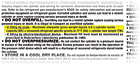
The manufacturers eventually changed their labels. (Figure 1 shows the current Worthington Cylinders label based on the correct AHRI Guideline K-2004 formula.)
It’s not surprising that much of the industry thinks the old calculation is still correct. There are 15 years worth of cylinders out in the field with the old formula on them. Even today there are many “authoritative” Websites that still have the old, outdated information on them. Technicians may go back to their old EPA-certified technicians manual and find the old formula.
Today, many of the updated versions of the test manuals say something like “80 percent of the cylinder’s capacity by weight.” This is a correct statement, but it doesn’t help much in calculating the proper fill level without more information about the refrigerant such as the specific gravity. This is just another way of verbally stating the AHRI Guideline K-2004 formula.
The cylinder capacity for R-22 is the WC x the SG. A ½-ton cylinder with a water capacity of 1,000 can hold 1,197 pounds of R-22 if completely full. So “80 percent of the cylinder capacity by weight” would be 1,197 x 80 percent = 957.60, the same result as the AHRI Guideline K-2004 formula. At least the old formula was easier to calculate, but it’s just not correct anymore.
The DOT regulation can be found in 49 CFR 173.304a, which deals with additional requirements for shipment of liquefied compressed gases in specification cylinders. The table in that section lists R-22 and shows that the “maximum permitted filling density (percent)” is 105. This table includes the 4BW- and 4BA-type cylinders, which is the DOT designation for refrigerant recovery cylinders. A ½-ton recovery cylinder with a water capacity of 1,000 pounds can be filled to 1,050 pounds of R-22. This is the law and has more authority than AHRI Guideline K-2004.
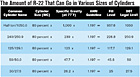
(Figure 2 is a table of various sizes of cylinders and the amount of R-22 refrigerant that can go in each per the calculation found in AHRI Guideline K-2004 and recommended by Worthington Cylinders. The DOT legal limit is also shown.)
For example, in the R-22 buyback program of the reclamation company Pure Chem Separation, the contractor sends back cylinders between 900 and 1,000 pounds and gets paid $2 per pound for the used R-22. The reclaimer pays freight both ways, so the efficiency in freight enables them to pay more to the contractor than in a program that might still be using the old formula.
In addition, the forecasted shortages of R-22 are just around the corner in 2010. An efficient R-22 buyback and reclaim program that pays contractors the highest amount for their used R-22 gives contractors incentives to recover all the R-22 possible and turn it into cash.
Publication date: 10/26/2009
There are two authoritative sources for information on this subject. One is the Air-Conditioning, Heating and Refrigeration Institute (AHRI) and the other is the United States Department of Transportation (DOT). The EPA has no regulation that addresses refrigerant fill levels.
AHRI GUIDELINE
In the early 1990s, AHRI (then ARI) issued Guideline K that provided guidelines to the industry on many aspects of refrigerant recovery. In that document, it was recommended the fill level for any refrigerant to be 80 percent times the water capacity (WC) of the cylinder. That meant putting 800 pounds of R-22 (or any other refrigerant) in a 1,000-pound cylinder. The whole industry adopted that practice. Some of the cylinder manufacturers put that formula on their cylinder labels.Later, it was recognized that refrigerants have many different densities. Some are very dense (heavy) and more pounds of those dense refrigerants can be safely put in a cylinder. The term used to describe the density of a material compared to water is specific gravity (SG).
Figure 1.
The specific gravity for R-22 (at 77°F) is 1.197. Now the formula for the correct filling level of a 1,000-pound cylinder is 80 percent x 1,000 x 1.197 = 957.60 pounds.
That’s right. AHRI now recommends putting 957.60 pounds of R-22 in a ½-ton cylinder. If you want to calculate the gross weight of the cylinder (refrigerant weight and cylinder weight) just add the tare weight (TW) of the cylinder. Most ½ tons weigh about 380 pounds. So the maximum gross weight of R-22 in a ½ ton would be 80 percent x 1,000 x 1.197 + 380 = 1,337.60 pounds.
The manufacturers eventually changed their labels. (Figure 1 shows the current Worthington Cylinders label based on the correct AHRI Guideline K-2004 formula.)
It’s not surprising that much of the industry thinks the old calculation is still correct. There are 15 years worth of cylinders out in the field with the old formula on them. Even today there are many “authoritative” Websites that still have the old, outdated information on them. Technicians may go back to their old EPA-certified technicians manual and find the old formula.
Today, many of the updated versions of the test manuals say something like “80 percent of the cylinder’s capacity by weight.” This is a correct statement, but it doesn’t help much in calculating the proper fill level without more information about the refrigerant such as the specific gravity. This is just another way of verbally stating the AHRI Guideline K-2004 formula.
The cylinder capacity for R-22 is the WC x the SG. A ½-ton cylinder with a water capacity of 1,000 can hold 1,197 pounds of R-22 if completely full. So “80 percent of the cylinder capacity by weight” would be 1,197 x 80 percent = 957.60, the same result as the AHRI Guideline K-2004 formula. At least the old formula was easier to calculate, but it’s just not correct anymore.
Figure 2.
DOT REGULATIONS
It should be noted here that AHRI guideline K is just an industry guideline and does not carry the weight of a law or a government regulation. The legal authority for how much to put into a cylinder is the DOT. The DOT regulations apply when the cylinder is transported.The DOT regulation can be found in 49 CFR 173.304a, which deals with additional requirements for shipment of liquefied compressed gases in specification cylinders. The table in that section lists R-22 and shows that the “maximum permitted filling density (percent)” is 105. This table includes the 4BW- and 4BA-type cylinders, which is the DOT designation for refrigerant recovery cylinders. A ½-ton recovery cylinder with a water capacity of 1,000 pounds can be filled to 1,050 pounds of R-22. This is the law and has more authority than AHRI Guideline K-2004.
(Figure 2 is a table of various sizes of cylinders and the amount of R-22 refrigerant that can go in each per the calculation found in AHRI Guideline K-2004 and recommended by Worthington Cylinders. The DOT legal limit is also shown.)
WHY CARE
So why should anyone care that it is OK to put more R-22 in a ½-ton or other recovery cylinder? The answer is efficiency and more money for the contractor in the case of reclamation buyback programs. The more efficient an R-22 buyback program is, the more the contractor gets paid.For example, in the R-22 buyback program of the reclamation company Pure Chem Separation, the contractor sends back cylinders between 900 and 1,000 pounds and gets paid $2 per pound for the used R-22. The reclaimer pays freight both ways, so the efficiency in freight enables them to pay more to the contractor than in a program that might still be using the old formula.
In addition, the forecasted shortages of R-22 are just around the corner in 2010. An efficient R-22 buyback and reclaim program that pays contractors the highest amount for their used R-22 gives contractors incentives to recover all the R-22 possible and turn it into cash.
Publication date: 10/26/2009
Looking for a reprint of this article?
From high-res PDFs to custom plaques, order your copy today!