Colorado’s New Emissions Law Leaves Residential Water Heater Market Scrambling
Strict NOx limits designed for natural gas threaten to cut off affordable propane water heaters
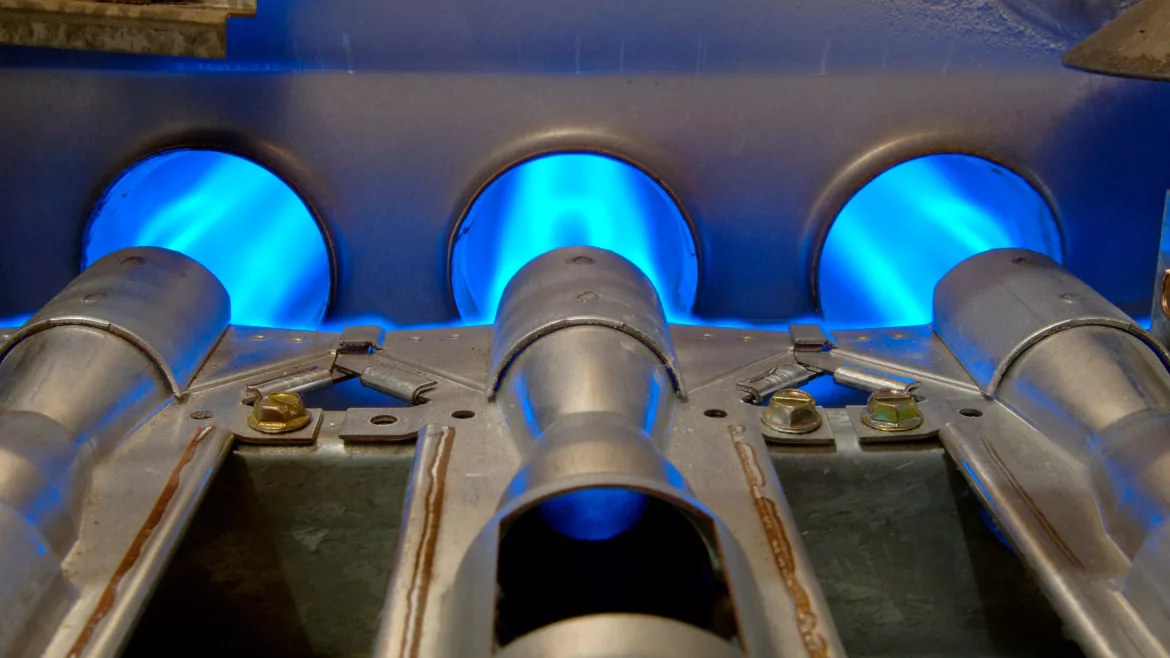
DEBATE: Gas-fired equipment stands at the center of a national debate, as lawsuits and new regulations challenge the future of natural gas in American homes.
Come January, Colorado’s new air quality law was supposed to be a victory for the environment. Instead, it’s left more than 100,000 households – most in rural, off-grid areas – facing a choice between massive out-of-pocket costs, or no hot water at all.
House Bill 23-1161, which took effect January 1, 2026, bans the sale and installation of new residential gas-fired furnaces and water heaters unless they meet ultra-low NOx emissions standards or carry the latest Energy Star certification. The move was hailed as a step forward for clean air. But for families who rely on propane – a lifeline in Colorado’s mountain towns and rural plains – the law is a brick wall.
On January 1, 2026, House Bill 23-1161 went into effect in Colorado, aiming to reduce NOx emissions from gas furnaces and water heaters. Yet the statute requires emissions testing protocols developed for natural gas products, not propane – creating what the National Propane Gas Association calls “a compliance headache for manufacturers.” As of the new year, retailers cannot sell, lease, or distribute non-compliant equipment in Colorado, with only a brief grace period for products held in inventory before January 1.
The new law sets strict emissions limits: 10 nanograms of NOx per joule for water heaters rated under 75,000 BTUs per hour, and 14 nanograms for larger water heaters and fan-type central furnaces. According to Tom Clark, executive director of the Colorado Propane Gas Association, “the statute unintentionally tied affected propane furnaces and water heaters to testing protocols created for natural gas equipment, creating an impossible compliance standard for propane manufacturers.”
Clark added that Colorado is the 18th largest propane market in the country, with 186 million gallons sold in 2024 – making the stakes for rural residents and the propane industry especially high.
“While we are happy that state officials confirmed that propane products that are certified to the most recent version of the federal Energy Star Program are automatically deemed to comply with the new emission limits, we need to work with the legislature to ensure that all propane products in the market remain available to Colorado consumers,” Clark said.
The heart of the problem: there are no residential propane water heaters on the U.S. market that meet Colorado’s new ultra-low NOx requirements. The federal Energy Star program, intended as a compliance off-ramp, offers no real solution – few, if any, propane water heaters are certified, and those that are cost far more than traditional models, Bradford White explained in a statement.
“The reason propane water heaters are exempt elsewhere is because there are no residential propane water heaters on the market today that can satisfy the emissions requirements that have been established by the state,” the Bradford White statement reads. The result: “Colorado residents with propane water heaters – an estimated 100,000 households – whose equipment reaches the end of its life would need to either replace their unit with a more expensive Energy Star counterpart – ‘assuming one exists’ – or switch to an electric water heater, both of which could mean additional out-of-pocket costs.”
Rural Coloradans have voiced urgent concerns about the new law’s impact. One resident warned that the regulation “could leave thousands of Colorado families in the cold,” underscoring how electric replacements aren’t just pricier – they’re often not feasible due to limited electrical capacity in many areas. “We don’t have the electrical capacity,” another homeowner told lawmakers. “My only option may be to go without hot water until the law changes.”
In a legal battle that could reshape state energy policies, the U.S. Department of Justice has filed suit against the California cities of Petaluma and Morgan Hill over local ordinances that ban natural gas in new construction. The DOJ argues these bans violate federal law by preempting national energy standards, while city officials insist they're already in compliance. The outcome could influence not just California, but how states nationwide regulate fossil fuels and electrification in new buildings. Read more on ACHR NEWS.
Looking for a reprint of this article?
From high-res PDFs to custom plaques, order your copy today!