HVAC, Sheet Metal Industries Rally to Protect 179D Tax Deduction
Senate version of reconciliation package targets tax deduction prized by HVAC industry groups
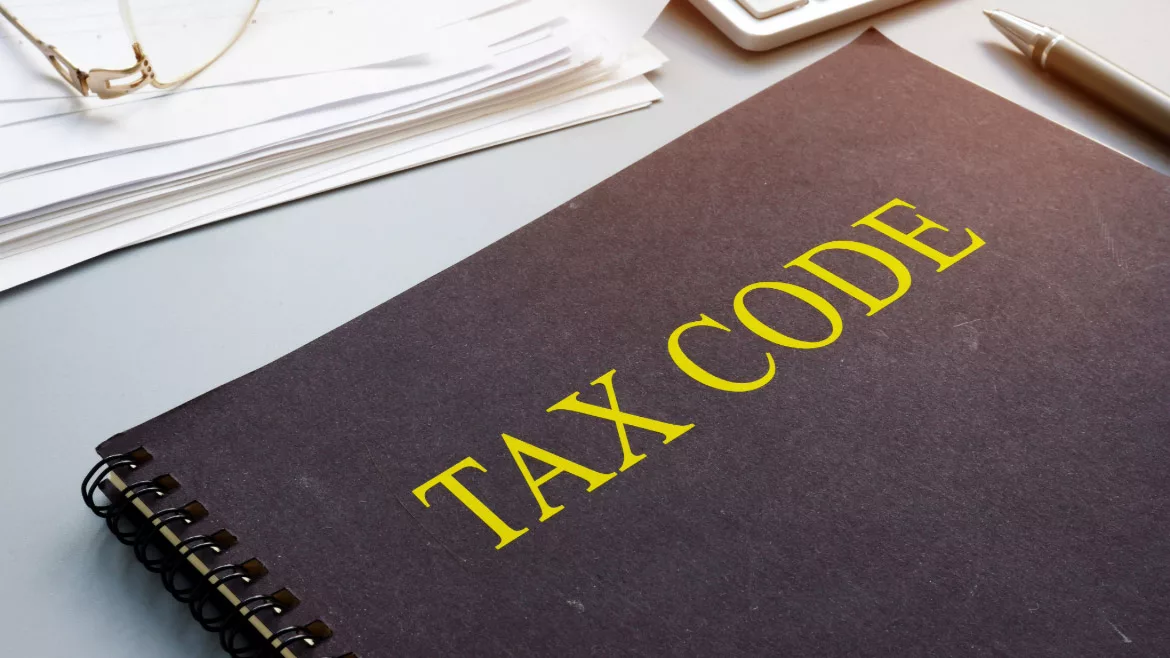
POLICY: As Congress races to finalize its reconciliation package, the fate of several key energy efficiency tax incentives hangs in the balance: Notably sections 179D, 25C, 25D and 45L. (Courtesy of Adobe / Firefly Image 3)
As Congress races to finalize its reconciliation package, the fate of several key energy efficiency tax incentives hangs in the balance — none more consequential to the HVAC and sheet metal industries than Section 179D, the Energy Efficient Commercial Building Deduction. Industry leaders and a sweeping coalition of associations are sounding the alarm over proposed Senate changes that would phase out this critical deduction just a year after enactment, a move they say would devastate jobs, stall projects, and undercut national energy goals.
In a joint letter to Speaker Mike Johnson and Senate Majority Leader John Thune, Stephen J. Dodd of the International Association of Sheet Metal, Air, Rail, and Transportation Workers (SMART) and Stanley E. Kolbe, Jr. of the Sheet Metal and Air Conditioning Contractors' National Association (SMACNA) urged Congress to “prioritize the following three policy areas that are critical to maintaining a robust construction industry and supporting American workers and businesses.” At the top of their list: preserving Section 179D. The House version of the reconciliation package leaves Section 179D intact.
“We are deeply concerned by the proposed phase-out of Section 179D in the Senate reconciliation bill, which would eliminate the deduction just 12 months after enactment,” the letter states. “At a time when inflation, material tariffs, and policy uncertainty are slowing project announcements and disrupting the construction economy, eliminating or curtailing energy efficiency incentives like 179D would be both untimely and damaging.”
Section 179D, enacted in 2005 and made permanent in 2020 under bipartisan leadership, allows commercial building owners to claim deductions for investments in high-efficiency lighting, HVAC systems, and building envelopes. The deduction has long been a linchpin for private investment in energy-saving upgrades, supporting not only job growth but also spurring innovation across engineering, manufacturing, and construction.
Dodd and Kolbe highlight the alignment of 179D with national energy objectives: “Section 179D is also aligned with national energy goals. It helps reduce energy demand on urban power grids, lowers long-term building operating costs, and promotes infrastructure resiliency. Weakening this provision would deliver only minor budget savings while severely disrupting private-sector projects that drive significant economic and energy efficiency benefits.”
Kolbe, reflecting on the broader challenges facing the industry, underscores that with the burden of steep tariffs on steel, aluminum, and equipment, tax incentives are not just helpful — they are essential to keeping the construction economy afloat. He notes that, alongside these deductions, sustained federal funding for projects under the Inflation Reduction Act, CHIPS, and infrastructure initiatives is critical. Without support from agencies like the Office of Management and Budget to keep these funding streams open and projects moving, Kolbe warns, the data will soon reflect a construction sector struggling under the weight of uncertainty.
SMART General President Michael Coleman also emphasized the stakes for the industry’s workforce, stating, “Because of the work SMART has done, we've been able to reduce the amount of cuts to the tax credits coming out of the Senate version. But it's still not enough. We need to keep fighting to keep all the tax credits intact so that our members, over the next five or ten years, will be able to stay employed and provide a future for themselves and their families, but we can't do this alone. We need your help, we need everyone's help to continue the fight to secure the future of our members, their families and this organization.”
Beyond 179D, the letter also presses Congress to preserve residential energy efficiency credits — Sections 25C, 25D, and 45L — which are set to expire under both the House and Senate bills. Their elimination, the authors warn, would “delay consumer adoption of energy-saving technologies in the residential sector and reduce job opportunities for our members.” The call extends to the reauthorization of a suite of business tax provisions that support clean energy, manufacturing, and advanced HVAC technologies, including credits for carbon sequestration and geothermal heat pumps.
These industry leaders are not alone. The Air Conditioning Contractors of America (ACCA) and dozens of other organizations have joined the 179D coalition, signing a separate letter urging Congress to “strike the Senate Finance Committee’s proposed wind-down of Section 179D.” The coalition’s membership spans the landscape of construction, engineering, manufacturing, and energy efficiency, including names like Carrier Global Corporation, Johnson Controls, the American Institute of Architects, and the National Electrical Contractors Association.
“Section 179D is an important part of the solution to help reduce long-term energy costs and ease demand on the grid,” the coalition wrote. “At a time when energy independence and infrastructure resiliency are national priorities, removing or phasing out Section 179D would deliver only marginal budgetary savings while disrupting an important ecosystem of innovation, efficiency, and economic opportunity.”
As legislative negotiations continue, with Senate rules striking down numerous controversial provisions in the broader tax package, the future of these critical energy incentives remains uncertain.
Looking for a reprint of this article?
From high-res PDFs to custom plaques, order your copy today!