12 Essential Steps to Reduce Your Building's Carbon Footprint
Expert advice from Harris Design Studio on multiple ways to decarbonize commercial buildings
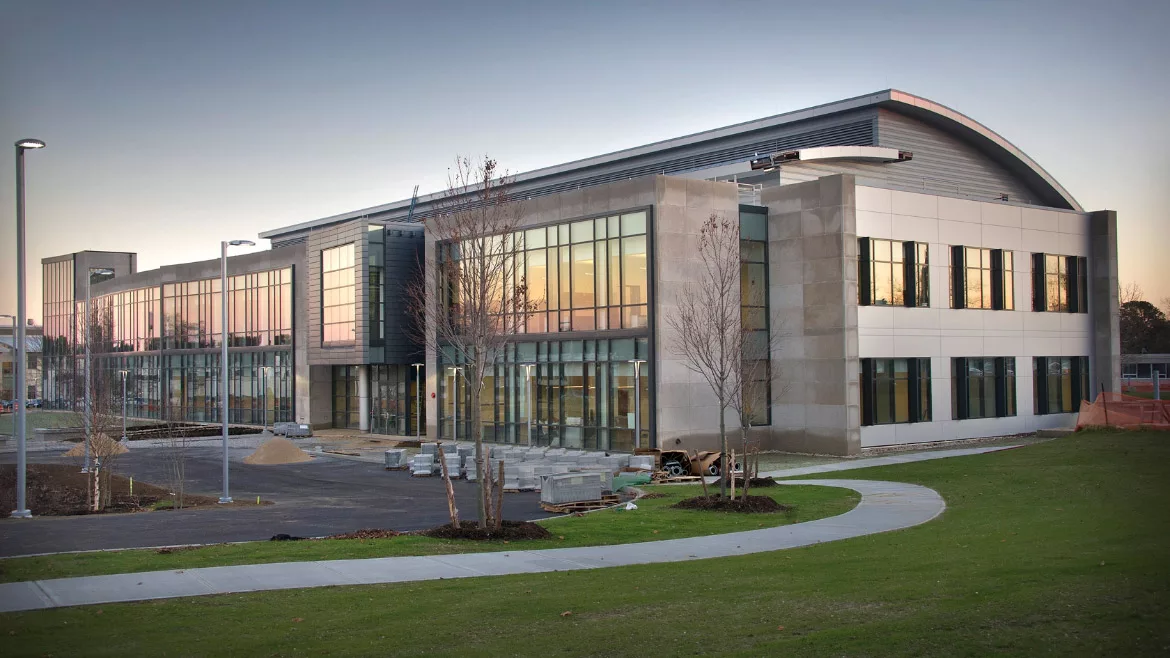
MECHANICAL: From small to big steps, there's several options to pick from to decarbonize your building's mechanical footprint. (Courtesy of DOE)
When it comes to reducing a building's carbon emissions, both small adjustments and major upgrades can make a significant impact. Luis Rivera, PE(CA), Director of Design + Engineering at the Harris Design Studio, outlines the key steps building owners should consider:
1. Establish a Maintenance Schedule
Regular maintenance is the foundation of efficient operation. "Make sure you have an appropriate and effective maintenance schedule," Rivera explained. "This ensures your boilers are running as efficiently as possible." He recommends weekly or quarterly checks, with comprehensive annual tune-ups scheduled before the heating season begins.
2. Optimize Your Distribution System
Whether you're running steam or hydronic heating, distribution efficiency is crucial. For steam systems, Rivera emphasizes checking steam traps: "They tend to go bad, and if they do, they could leak and release steam – ultimately you're just losing heat." In hydronic systems, consider lowering supply temperatures during warmer seasons to reduce fuel consumption.
3. Monitor Return Water Temperatures
For buildings with condensing boilers, maintaining proper return water temperatures is essential. "Check that the return water temperature coming back to your boiler is around 120 degrees Fahrenheit or less," Rivera advised. "If you're returning higher temperatures, you're not taking advantage of that condensing capability."
4. Document Everything
"It's important to document your findings and leave it with the boiler," Rivera noted. This practice allows building managers to spot trends and address issues proactively. Keep detailed records of all maintenance activities, efficiency tests, and system modifications.
5. Plan Strategic Upgrades
When equipment reaches the end of its life cycle, Rivera recommends considering non-emitting alternatives. "If you have a system that's at the end of its life, it needs to get replaced anyway, so why not replace it with a non-emitting solution?" Options include electric boilers, heat pumps, or VRF systems.
6. Assess Electrical Infrastructure
Before making major changes, evaluate your building's electrical capacity. "One of the bigger challenges is the increased electrical load," Rivera explained. "If it's an older building, you're very likely going to have to upgrade the electrical system accordingly."
7. Consider Temperature Requirements
Heat pump systems typically operate at lower temperatures than traditional boilers. Rivera cautions that buildings with equipment sized for high-temperature operation may need supplemental heating: "You may need to replace existing heating coils or supplement with electric heat to reach those higher temperatures."
8. Evaluate Your Grid Mix
The environmental impact of electrification depends heavily on your local power grid. "If you have a utility company producing electricity purely on fossil fuels, you may actually be better off sticking with fossil fuel consumption on site," Rivera noted. "But with a utility grid that's incorporates renewable energy, it makes a lot of sense to go full electric."
9. Implement Regular Testing
Conduct regular combustion efficiency tests and system evaluations. Rivera recommends consulting manufacturer specifications for optimal performance parameters and testing procedures.
10. Address Air Quality
Maintain clean air intakes and proper ventilation. "That could actually be a safety issue as well," Rivera emphasized, highlighting the dual benefits of efficiency and safety.
11. Manage Water Quality
For hydronic systems, Rivera stresses the importance of water treatment: "Make sure that you test your water appropriately so that you don't degrade the efficiency of the heat exchanger itself."
12. Stay Informed
"Decarbonization of buildings is a hot topic now," Rivera concluded. Keep up with evolving technologies and regulations to make informed decisions about your building's future.
Looking for a reprint of this article?
From high-res PDFs to custom plaques, order your copy today!