The Resiliency of Propane — Three Reasons to Consider Future-Proofing a Facility with this Alternative Fuel Protection
Propane standby generators offer an energy-efficient, versatile, and reliable solution when facilities demand backup power.

Jesse Marcus
Preparation is the best defense against power outages in commercial facilities.
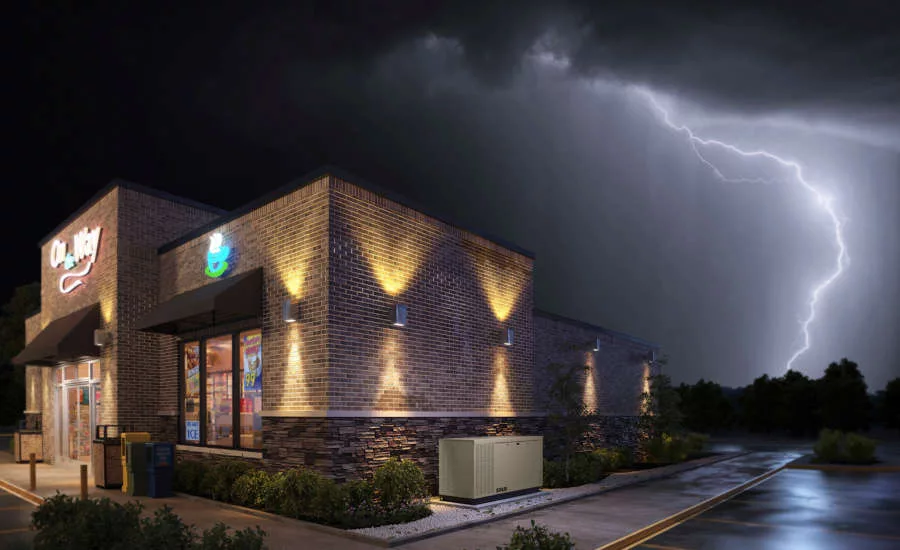
The loss of grid power can happen at any time. And whether caused by storms, natural disasters, aging infrastructure, or even man-made hazards, it’s important for commercial buildings to be able to withstand the loss of power. The cost of being unprepared can be significant, impacting systems that run the gamut, including smoke and fire alarms, elevators, refrigeration units, heating and cooling equipment, health and safety equipment, communications and security equipment, and many other applications.
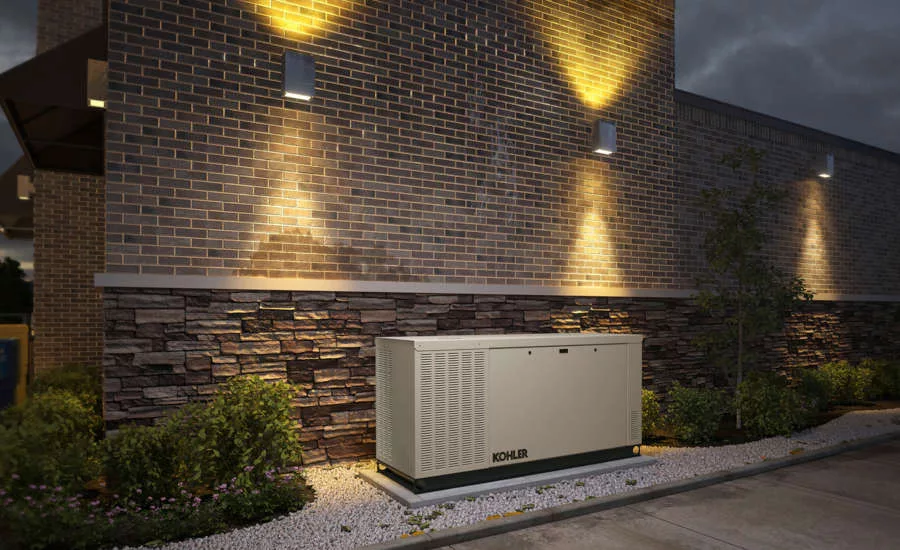
Propane standby generators offer an energy-efficient, versatile, and reliable solution to keep facilities running during the unexpected, protecting them from the damage a power outage can cause. And with a wide variety of capacities available, there’s a model that can meet the needs of any size business or commercial building.
Here are three reasons to consider propane for a facility’s backup fuel:
1. A propane standby generator keeps the lights on.
Because backup power can ensure uninterrupted operation for a large number of commercial facilities, more and more facility managers are finding importance in resilient design. Having a reliable backup power solution is mission critical for facilities that need to be functional no matter what. The emphasis on uninterrupted operation not only brings with it peace of mind for the facility’s owners and operators, but it can also mean safeguarding against an overwhelming financial loss. Some states are even requiring certain facilities — like hospitals, for example — to have backup power.
Resiliency is about more than just sturdiness, though. It has to do with the ability to function during and after a power outage occurs. A facility with standby power can resist hazards brought on by major disasters, eliminate financial losses, and even reduce the magnitude or duration of a disruptive event.
Propane standby generators can provide facility managers with true resiliency, security, and confidence — making it a key component of a resilient design.
2. Propane provides performance that other standby power sources simply can’t match.
A propane standby generator offers quiet power, efficiency, safety, and low greenhouse gas emissions. Plus, propane is a portable fuel that can operate independent of the natural gas utility.
Commercial backup generators powered by propane are typically installed as fully automated systems that ramp up quickly to provide power after an electric grid disruption. In fact, propane systems supply supplemental electricity in as little as 10 seconds after an outage, and their autonomous design requires little to no involvement for the building occupants to activate, maintain, or shut off power from the generators.
Propane has many notable advantages when compared with its diesel counterparts. For starters, its indefinite shelf life makes it the ideal backup fuel for generators, whereas diesel degrades over time. Propane also burns cleaner and is non-toxic, non-poisonous, and won’t contaminate soil or water. It beats out diesel in terms of emissions, too. The U.S. Department of Energy data shows 16% fewer carbon emissions per unit of energy for propane compared with diesel.
3. Propane is incredibly versatile.
The same fuel source that powers a facility’s backup generator can power many other major energy systems.
As a matter of fact, clients can attain whole-building standby protection at an affordable price by combining a propane generator with a suite of propane appliances. Propane’s energy versatility extends to building heating, water heating, cooking appliances, fireplaces, clothes drying, and outdoor amenities. Choosing propane for these critical building systems can reduce the building’s reliance on standby power, oftentimes allowing facility managers to downsize to a smaller, more affordable backup unit.
A propane generator’s features make it easier for commercial buildings to achieve more comprehensive protection without having to go through the fuel storage, maintenance, reliability, and emissions challenges of a diesel-fueled generator. Plus, its ability to work in tandem with various other energy systems make facilities even more resilient. To learn more about propane standby generators, visit propane.com.
Looking for a reprint of this article?
From high-res PDFs to custom plaques, order your copy today!