search
Ask ACHR NEWS AI
cart
facebook twitter instagram linkedin youtube
  • Sign In
  • Subscribe
  • Sign Out
  • My Account
  • NEWS
  • TECHNOLOGY
    • Heating & Boilers
    • Cooling & Chillers
    • Pumps & Flow Controls
  • SECTORS
    • Commercial
    • Health Care
    • Data Center
    • Educational Facilities
  • DESIGN | CONSTRUCTION
  • OTHER TOPICS
    • High-Performance Buildings & Automation
    • Ventilation and IAQ
    • Commissioning
    • HVAC Retrofits
  • TODAY’S BOILER
    • Today’s Boiler Archives
    • Today’s Boiler Digital Edition
  • MORE
    • Case Studies
    • Podcasts
    • Videos
    • Directory
    • Webinars
    • ES NEWS Store
    • White Papers
  • SIGN UP
  • Back to The NEWS
Engineered Systems NEWSHVAC Engineering TechnologyHVAC Engineering SectorsCooling & ChillersCommercial HVAC

Biofilms In HVAC And Around Your Teeth

While some bacteria are beneficial, others are dangerous and can thrive in certain indoor environments.
By Stephanie Taylor, M.D., M. Arch, CIC
Biofilms In HVAC And Around Your Teeth

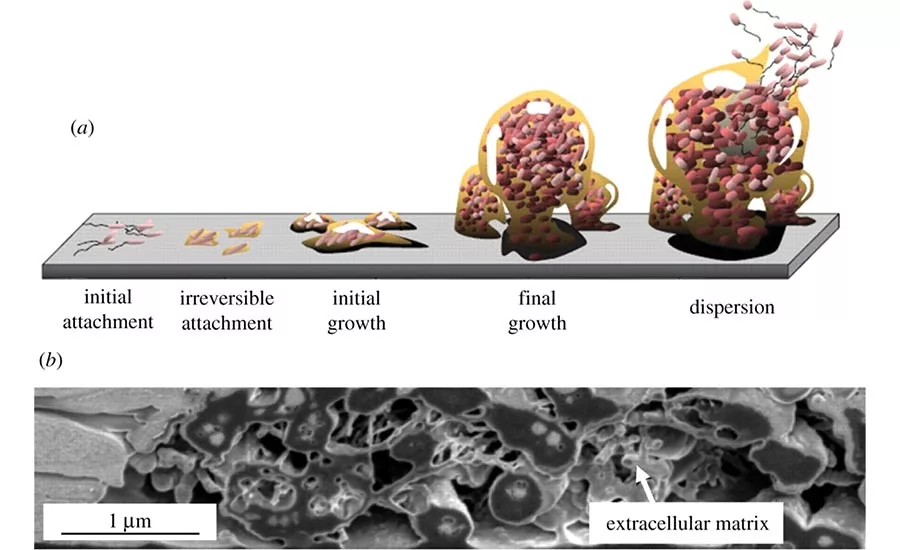
Figure 1. Reprinted with permission: Royal Society of Public health(UK), Gregory D. Bixler, and Bharat Bhushan Phil. Trans. R. Soc. A 2012;370:2381-2417

December 7, 2016

As engineers work to reduce the risk of Legionella growth in buildings, what strategies can be borrowed from treating illnesses caused by biofilms?  

Thanks to genetic analysis tools, we can study bacteria in their natural habitat rather than in the artificial environment of a glass petri dish. What have we learned from this new, voyeuristic approach? We now know that bacteria do not live alone, instead forming complex societies with differentiated work tasks and sophisticated mechanisms to protect their communities from antibiotics and environmental stresses.

How does this happen? When a roaming single bacterial cell finds an inviting surface, it undergoes dramatic lifestyle changes. Losing its ability to propel itself freely as it settles down in the new environment, the bacterium reproduces rapidly and begins to establish a stable (yet diverse) biofilm community. Once the advance party of bacteria has created this immature biofilm, they selectively invite or reject single roaming cells with chemical signals such as cyanide and natural antibiotics. Soon, a communal population creates sophisticated architecture, including mushroom-like structures blossoming on submerged surfaces or towering projections shooting upward from surfaces exposed to air.

While engineers have long recognized the tenacity of bacterial, fungal, and algae biofilms surviving both inviting and hostile conditions, those of us in the medical sciences are only recently fully appreciating the complexity of managing them.

Biofilms made up of thousands of different microbial species colonize our skin, teeth, and surfaces of our intestines and airways. While most promote human health through digestion and a first line of defense against invading pathogens, not all are beneficial.

When foreign objects in our bodies — such as intravenous catheters or joint prostheses — become covered by these films, they can act as bacterial reservoirs, sending pathogens throughout our bodies and causing dangerous systemic disease. Additionally, the protected biofilm-associated microbes are particularly resistant to many antimicrobial agents, making these infections difficult to treat.


Medical research has developed interesting strategies to control biofilms, for example:


  • Exposure to enzymes that degrade the polymeric foundation of biofilms, which results in the release of components which are easily cleared by immune cells.

  • Conduction of electrical currents in combination with electromagnetic fields and ultrasound, resulting in a substantial reduction of living cells in staphylococcus and pseudomonas biofilms.

  • Surface coatings with metals, antiseptics, or simply very slippery materials effectively eradicate or block bacterial biofilms on the surfaces of endotracheal tubes and catheters.


Working together with new metagenomics tools, clinicians and building engineers can interrupt the ability of harmful bacteria to form biofilms, thereby helping to reduce the spread of dangerous, treatment resistant infections.  ES

Share This Story

Looking for a reprint of this article?
From high-res PDFs to custom plaques, order your copy today!


Dr. Stephanie Taylor is the president and founder of Building4Health Inc. After working as a physician for many decades, Dr. Taylor obtained a Masters in Architecture as well as Infection Control certification. Her lifelong commitment to patient care includes focusing on improving the healthcare physical environment and clinical work processes to help patients heal quickly and save hospitals valuable dollars. Dr. Taylor is a graduate of Harvard Medical School (MD), and Norwich University (Masters Architecture). She has numerous research publications in Nature, Science, and other peer-reviewed journals. She can be contacted at stephanie@b4hinc.com or (860) 501-8950.

Recommended Content

JOIN TODAY
To unlock your recommendations.

Already have an account? Sign In

  • HVAC-enrollment

    The Trades Are Back: HVACR Programs See Nearly 30% Enrollment Spike

    A new wave of future technicians is entering the pipeline.  
    News
    By: Matt Jachman
  • 2025 Top 40 Under 40

    2025 Top 40 Under 40 HVACR Professionals List

    The 11th annual Top 40 Under 40 list highlights those...
    HVAC Residential Market
    By: Hannah Belloli-Oster
  • LG Ductless Mini-Split Systems

    The 9 Types of Heat Pumps

    As the U.S. moves toward electrification, heat pumps are...
    Ground Source Heat Pumps
    By: Joanna R. Turpin

More Videos

Today's Boiler

Spring 2026 Issue

Today's Boiler - Spring 2026 Cover

Read More from Today's Boiler

Case in Point Logo

Smarter Hydronic Design for Data Centers - Free Webinar - January 22, 2026

Related Articles

  • A Physical View IAQ

    How Do You Measure The Success Of Your HVAC System?

    See More
  • A Physical View IAQ

    The Key to HVAC Design: Just Follow Your Nose

    See More
  • Influenza

    Your Weather App Is Key to Your Safety

    See More

Related Products

See More Products
  • HVAC and Refrigeration Preventive Maintenance.jpeg

    HVAC and Refrigeration Preventive Maintenance

  • 9781482255676.jpg

    Testing and Balancing HVAC Air and Water Systems, Fifth Edition

  • Modern Geothermal HVAC Engineering and Control Applications

See More Products

Related Directories

  • Your Bargain Mart

    We are a MRCOOL Dealer and carry contractor-grade HVAC equipment, air handlers, condensers, heat pumps, gas furnaces, evaporator coils and heat pumps, gas, and electric packaged units.
×

Sign Up. Stay Informed.

The #1 trusted source for the HVACR industry since 1926

SUBSCRIBE
  • RESOURCES
    • Advertise
    • Contact Us
    • Advisory Board
    • Classifieds
    • Submit a Letter
    • Directories
    • Store
  • ACCOUNT CENTER
    • Create an Account
    • Start a Subscription
    • Manage My Account
    • Sign Up for Newsletters
    • Visit Customer Service
    • Update Preferences
  • SERVICES
    • Marketing Services
    • Reprints
    • Market Research
    • List Rental
    • Survey/Respondent Access
  • STAY CONNECTED
    • LinkedIn
    • Facebook
    • Instagram
    • YouTube
    • X (Twitter)
  • PRIVACY
    • PRIVACY POLICY
    • TERMS & CONDITIONS
    • DO NOT SELL MY PERSONAL INFORMATION
    • PRIVACY REQUEST
    • ACCESSIBILITY

Copyright ©2026. All Rights Reserved BNP Media, Inc. and BNP Media II, LLC.

Design, CMS, Hosting & Web Development :: ePublishing