The Key to HVAC Design: Just Follow Your Nose
Narrow, large noses are optimal for filtration and clearance of pollution, while wide, broad noses are optimal for humidification and heat exchange.
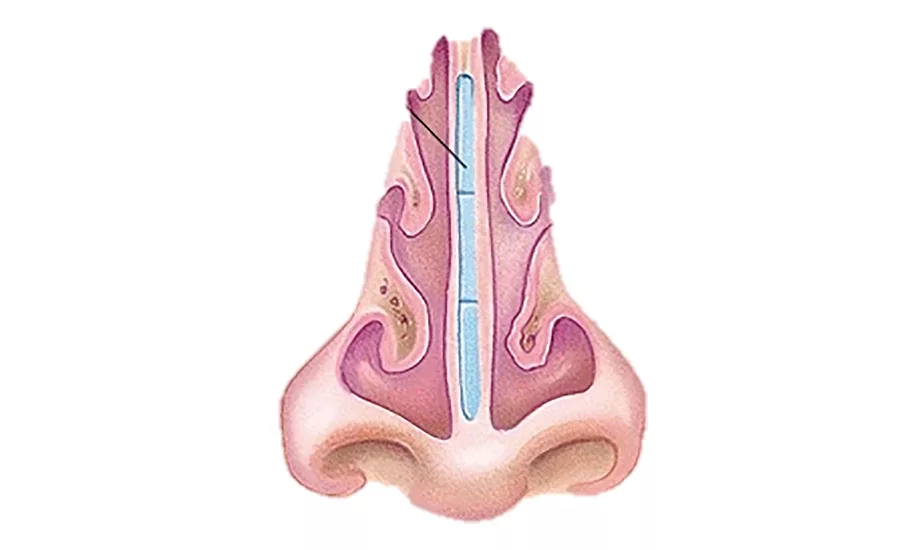
FIGURE 1. Our noses operate about 18,000 times a day, providing air conditioning (moistening and heating), filtering, and clearance of air pollutants; enthalpy-recovery (latent and sensible energy); and chemical detection (smelling).
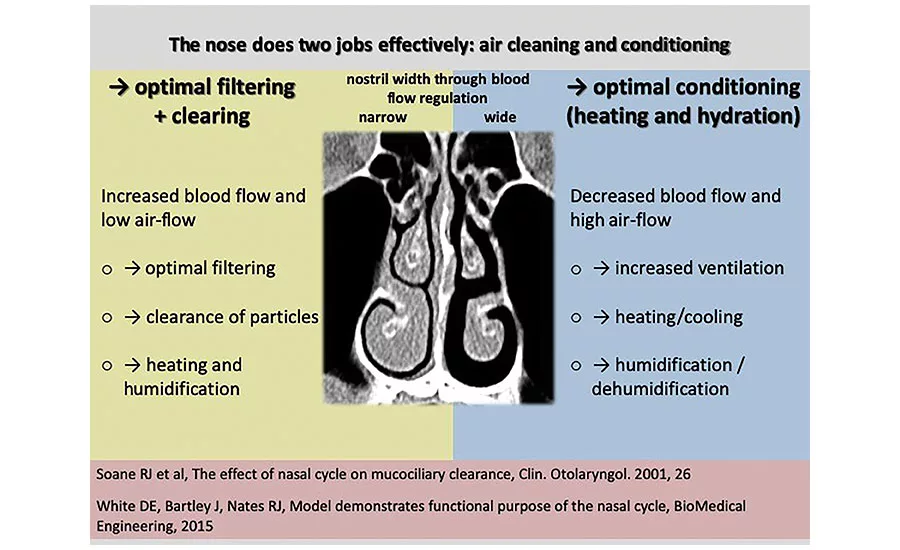
FIGURE 2. The nose does two jobs effectively: air cleaning and conditioning.
Mother Nature, unforgiving with wasteful and inefficient strategies, just sent a memo on designing HVAC systems to both support occupant health and reduce energy consumption. Let’s take a look.
According to ASHRAE, HVAC systems are designed based on building configurations, climactic conditions, and owner desires. Of those, owner desire is usually tied to the price tag of first costs and energy use needed to preserve any valuable goods contained indoors. Missing from this list is a reference to occupant health, probably because occupants are ubiquitous and usually do not have clear monetary value.
Let’s study our noses for guiding principles in designing HVAC systems that are both efficient and support our health, even as the seasons change. The good news here is that the owner and the user are the same, so we do not have to consider two separate perspectives.
Our noses and sinus cavities condition inhaled air so that our delicate lungs can do their job of oxygen and carbon dioxide exchange without interference. As inhaled, ambient air comes in contact with warm, moist respiratory mucosa, thermal and water vapor pressure gradients optimize the temperature and moisture content of the inspired air.
The efficiency of this process depends on the flow dynamics of the inspired air, which is determined by the geometry of the nasal cavity and inlets. Narrow nasal passages at the nostril opening widen as they reach the middle region where wing-like structures, nasal turbinates, emerge from the walls. When ambient air is cold or dry, the nasal passage area is reduced to ensure adequate contact for heat and moisture exchange. This occurs through regulating the engorgement of blood vessels and moisture-producing cells lining the turbinates. Much of this sensible and latent heat energy is subsequently recovered during expiration when warm, saturated air from the lungs comes in contact with mucosa that was previously cooled during inspiration. In people who breathe through their noses, inhaled air is warmed to near core body temperature and properly humidified before the air even reaches their throats.
This sensible and latent heat management of ambient air is also essential to trap and remove particles and pathogens that could cause bronchitis, pneumonia, or sepsis. If overly dry air reaches our trachea or bronchial tubes, we are more susceptible to infections, such as the flu. Conditioning the air before it reaches our lower respiratory tract is so essential that the internal nasal area, seen from the outside as the shape of the nose, has actually evolved in response to the predominate climate of one’s geography. Historically, tall, narrow noses characterize populations from cold or dry environments, while short, broad noses are found in populations from hot, humid environments.
What does the efficient nose tell us about HVAC design? Narrow, large noses are optimal for filtration and clearance of pollution. Wide, broad, large noses are optimal for humidification and heat exchange. Clearly, there is no single nose shape that is perfect for both conditioning and filtration, so nature found a way to deal with this through changes in the size and moisture content of the nasal passages.
As winter approaches, Mother Nature’s memo reminds us that while we can survive fluctuations in outside humidity and temperatures because of our efficient climate control unit — the nose — dry indoor air strains our respiratory tract air conditioning and pathogen clearing to its limits and beyond. Year after year, during the heating season, most of us catch a cold at least once, and we are more likely to get the flu. Chronic respiratory diseases, such as allergies, asthma, obstructive pulmonary disease, and sinus problems, also become more frequent.
In cold climates, indoor humans need additional sensible heat for comfort and additional latent heat (humidification) for health. What lessons can our noses teach us about the design of HVAC systems that provide these elements while also conserving energy? Please share your ideas with us.
This column was completed with assistance from Dr. Walter Hugentobler, Switzerland.
Looking for a reprint of this article?
From high-res PDFs to custom plaques, order your copy today!