As Temporary Tariffs Expire, the Administration Unveils a New Trade Playbook
The Trump administration is replacing expiring emergency tariffs with a web of older trade laws
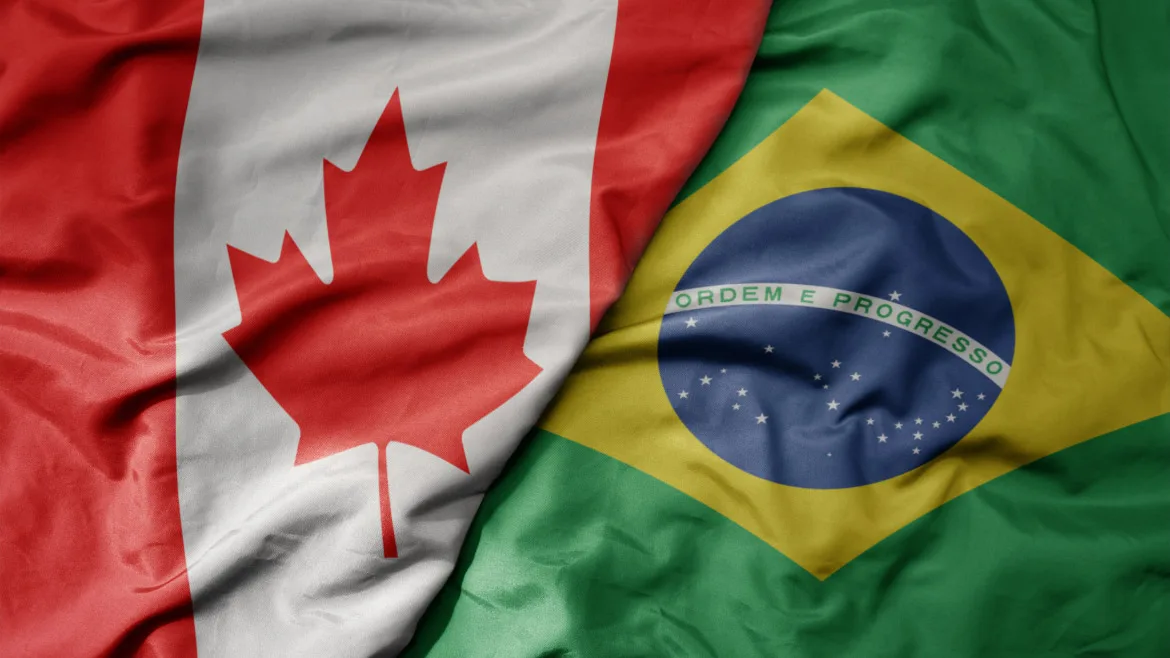
The Trump administration's latest trade actions against Brazil and Canada suggest that tariffs are not fading, even after the Supreme Court's decision earlier this year to strike down many of the president's emergency-duty authorities. Instead, a new framework is emerging, built on a patchwork of older trade laws that could continue to affect manufacturers, contractors, and construction material prices well into 2027.
For contractors and suppliers already grappling with higher steel, copper, and equipment costs, the significance extends beyond any single country. The bigger story is that Washington appears to be rebuilding its tariff regime one statute at a time.
The July Tariff Deadline
A major turning point arrives this week.
The administration's temporary 10% global tariff, imposed under Section 122 of the Trade Act following the Supreme Court's February ruling, is scheduled to expire July 24. Administration officials have indicated that new tariff actions affecting dozens of trading partners could be announced before or near that deadline, allowing tariff coverage to continue with little interruption.
Those replacement measures are expected to rely primarily on Section 301 investigations rather than the broader emergency powers invalidated by the Court. Unlike the temporary Section 122 tariffs, Section 301 duties can remain in force indefinitely.
The result is a significant shift in strategy. Instead of sweeping emergency tariffs applied across virtually all imports, the administration is increasingly using targeted trade investigations to justify country-specific and sector-specific duties.
Brazil Becomes the First Test Case
The clearest example is Brazil.
On July 22, the United States imposed a new 25% tariff on many Brazilian products under Section 301 of the Trade Act of 1974, following an investigation into issues ranging from digital trade practices and intellectual property protections to market access and environmental concerns.
Notably, U.S. Trade Representative officials carved out numerous exemptions, including beef, coffee, orange juice, aircraft parts, pharmaceuticals, energy products, and certain industrial materials. Analysts say the exemptions are designed to limit consumer price impacts and avoid disruptions in critical supply chains.
Trade observers view Brazil as more than a bilateral dispute. It is widely seen as the administration's first major demonstration that it can continue imposing substantial tariffs through established trade-law mechanisms, despite losing broader emergency powers earlier this year.
An Obscure 1930 Law Returns
If Brazil represents the administration's new use of Section 301, Canada represents something even more unusual.
On July 20, President Trump signed proclamations invoking Section 338 of the Tariff Act of 1930 to impose new 50% duties on selected Canadian imports tied to disputes involving dairy products, alcoholic beverages, and motor vehicles. The tariffs are scheduled to take effect August 19.
Trade attorneys note that Section 338 has largely sat dormant for decades and has rarely, if ever, been used in modern tariff policy. The administration argues that the authority allows the United States to respond to discriminatory treatment of American commerce by foreign governments.
The Canada action is significant not only because of the size of the duties, but also because it signals a willingness to revive long-unused trade authorities in pursuit of broader policy objectives.
For businesses that rely on North American supply chains, the move also raises questions about the future of the U.S.-Mexico-Canada Agreement and the predictability of cross-border trade rules.
More Tariffs Could Be on the Way
Brazil and Canada may be only the beginning.
The Office of the U.S. Trade Representative is still reviewing two major Section 301 investigations that could affect imports from dozens of economies. One focuses on countries that allegedly fail to adequately police products made with forced labor. Another examines structural manufacturing overcapacity in key industrial sectors, including steel, aluminum, electronics, vehicles, and other manufactured goods.
Preliminary recommendations associated with the forced-labor investigation have reportedly included duties ranging from 10% to 12.5% on imports from numerous trading partners.
Should those recommendations move forward, contractors and manufacturers could face another round of cost increases affecting a broad range of imported products and materials.
Construction Materials Already Feeling the Pressure
The timing is particularly important for the construction industry.
According to Associated Builders and Contractors, construction input prices increased 2.6% in May and were nearly 10% higher than a year earlier. ABC Chief Economist Anirban Basu pointed specifically to ongoing price growth in tariff-affected materials such as iron, steel, and copper. Construction input prices are now up 9.6% year over year, while nonresidential construction input prices have risen 9.7%.
For sheet metal and HVAC contractors, material escalation remains one of the most closely watched business risks. Continued tariff activity could affect everything from steel products and mechanical equipment to fabricated components and imported specialty items.
A New Phase of U.S. Trade Policy
The most important takeaway may be that the administration's tariff agenda survived the Supreme Court's February ruling.
Rather than ending the use of tariffs as a central economic tool, the decision appears to have accelerated a shift toward alternative authorities such as Sections 301, 232, and 338. Brazil's new duties, Canada's pending penalties, and the expected replacement of the expiring 10% tariff all point in the same direction: a more targeted but potentially more durable tariff regime.
For construction firms, distributors, and manufacturers, the challenge is no longer determining whether tariffs will remain part of the business environment. The challenge is understanding which products, countries, and supply chains may be affected next.
Looking for a reprint of this article?
From high-res PDFs to custom plaques, order your copy today!