Commerce Moves Toward Broader Copper Tariffs as Trade Deficit Jumps
Industry groups warn the administration's increasingly broad use of national-security tariffs is raising costs
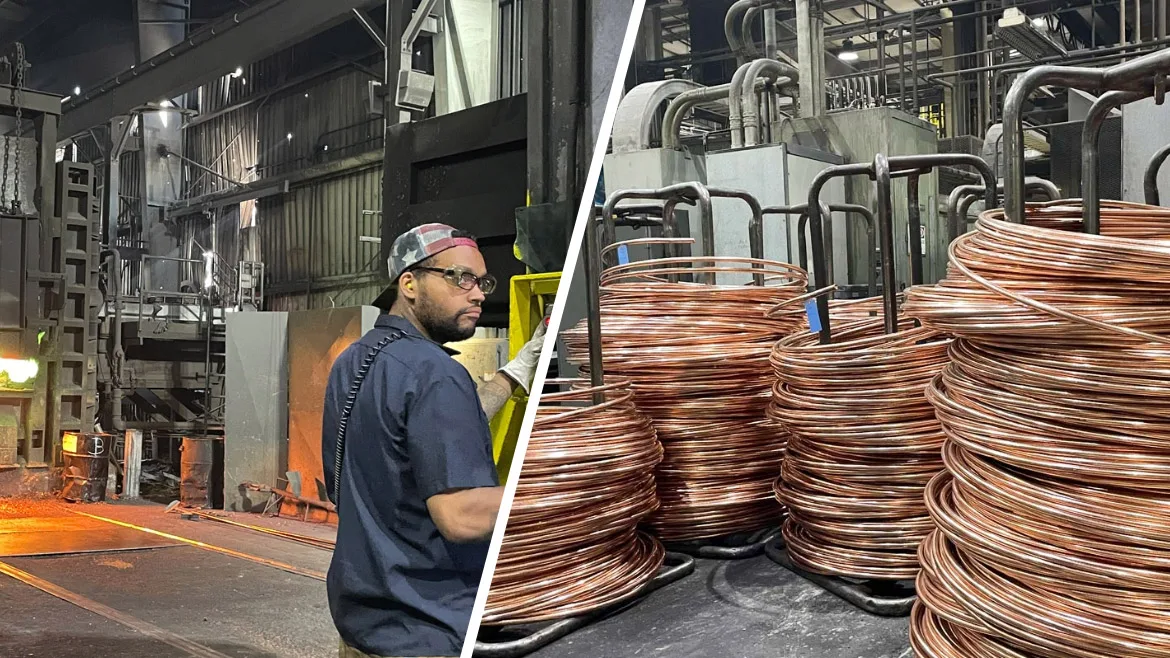
The Commerce Department is laying the groundwork for expanding President Donald Trump’s Section 232 copper tariffs to cover a wider array of downstream products, according to the administration’s 2026 regulatory agenda. The move could drive up costs for manufacturers already navigating a complicated web of metals duties, and comes just days after federal figures showed the U.S. trade deficit surged 42.2 percent in May.
The proposed expansion would mark the latest escalation in the White House’s use of Section 232, a national-security authority that lets the president impose tariffs on vital industrial materials. While administration officials frame the tariffs as necessary to boost domestic metals production and industrial capacity, manufacturers and America’s trading partners warn that broader duties could raise prices across supply chains. “Broad tariffs on these sectors are likely to undermine the very goals this administration has championed by constraining manufacturing and introducing uncertainty that slows domestic investment and growth in production capacity,” said Jeannette Chu, vice president for national security policy at the National Foreign Trade Council.
A Broader Net for Tariffs
In a June proclamation, President Trump described the current framework: “I imposed an ad valorem duty of 50 percent on products made of those metals; an ad valorem duty of 25 percent on derivative products that tend to be predominately composed of those metals.”
But the administration has long signaled it might go further. In an April proclamation, Trump directed the Commerce Secretary “to establish a process for including additional metal products within the scope of the additional ad valorem duties.”
The result is an ever–expanding regime. Since 2025, when the first 50% tariffs hit certain copper imports, manufacturers have faced rising compliance costs and growing uncertainty about which products might be swept in next. A coalition of 28 business associations warned earlier this year, “The breadth of these investigations and tariff actions is unprecedented,” adding that the “impact of this expanded tariff landscape has been profound, creating significant regulatory burdens, escalating compliance costs, and economic uncertainty, which in turn harms US-based manufacturing and business activity.”
Trade Deficit Surges
The administration has argued that tariffs are needed to close America’s trade gap. But the latest government data tells a different story. The U.S. goods and services deficit widened to $77.6 billion in May, up from $54.6 billion in April – a 42 percent jump. Exports fell to $317.7 billion, while imports increased to $395.3 billion.
So far, there’s little evidence that tariffs are reversing the long–standing U.S. reliance on imported metals. According to the Congressional Research Service, “In 2025, the United States relied on imports for about 57% of total U.S. refined copper consumption.” Industry critics argue the policy is backfiring. “Contrary to the aims of Section 232 and the Administration’s broader objectives, these tariff costs incentivize US companies to manufacture in other countries to service global markets,” the coalition of trade associations wrote.
Manufacturers in the Crosshairs
Copper is an essential ingredient for everything from electrical wiring to construction, energy infrastructure, transportation equipment and electronics. Expanding tariffs to additional downstream copper products would send ripples throughout multiple sectors – and manufacturers are left guessing which items will be targeted next.
“Twenty five percent tariffs on an extensive list of finished downstream steel and aluminum products, including many machinery products, have already negatively affected domestic manufacturing,” Chu said. The U.S. Chamber of Commerce and allied trade groups echoed those concerns, writing, “The recent expansion was implemented without adequate notice and creates significant unintended costs, complexity, and uncertainty for U.S. businesses.”
Questions Remain
The Commerce Department has yet to release details on which downstream copper products are under review or when a proposed rule might be published. Key questions remain: What economic data supports expanding the tariffs? What metrics show the tariffs have increased manufacturing jobs or improved workforce participation? And how does the department square a tariff push with the sharp jump in the trade deficit?
Manufacturers are also asking whether exclusions will be available for products that lack a domestic supply – a recurring issue since the metal tariffs began. “Rather than tariffs, we urge the administration to pursue policies that support American industry and strengthen our national security by maintaining access to critical inputs and technologies from trusted partners,” Chu concluded.
Looking for a reprint of this article?
From high-res PDFs to custom plaques, order your copy today!