SPIDA’s New Chapter: Learning Year-Round, Together
A new era for SPIDA: virtual learning, fresh perspectives, and practical tools are bringing members together
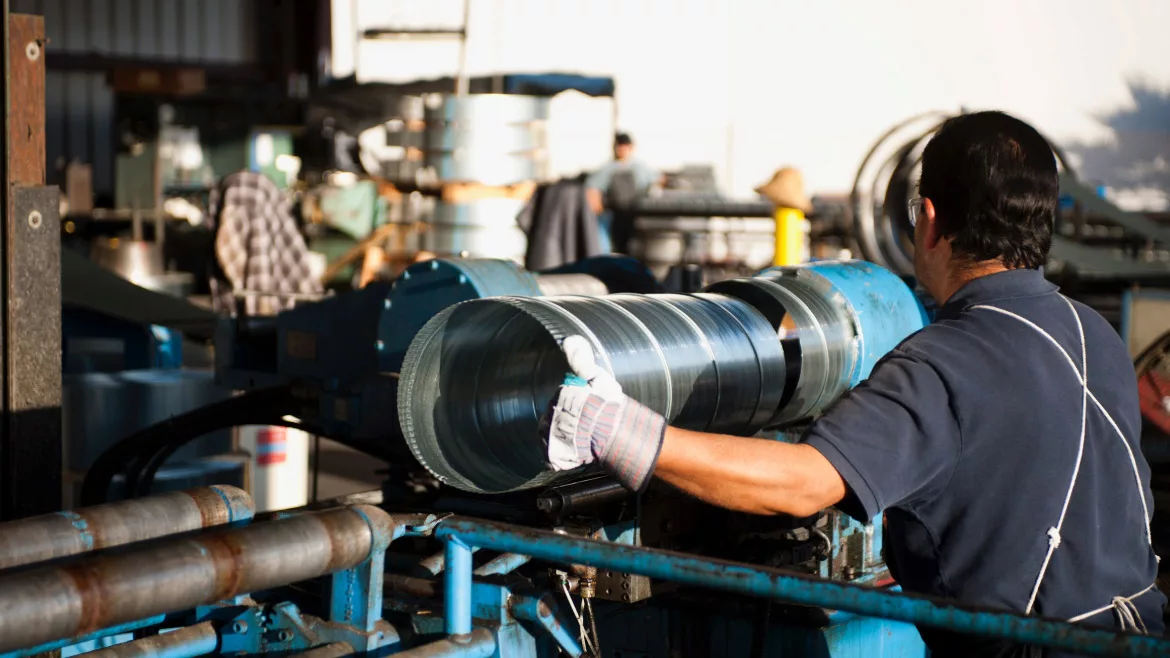
WEB: Graham Johnson’s January SPIDA webinar showed how small, people-first changes can drive big results.
When I joined SPIDA’s first-ever member webinar, I’ll admit I wasn’t sure what to expect. Like a lot of you, I’ve always associated the group with in-person meetings – big events, a couple times a year, where you catch up, swap stories, maybe learn a thing or two. But change has a way of sneaking up on even the most tradition-bound organizations, and right now, SPIDA is embracing change.
Robin Stegall, SPIDA’s current president, put it plainly: “One of our goals was to provide our membership learning opportunities throughout the year, not just in our ASHRAE meeting, not just when we go for our spring meeting, but throughout the year.” For the first time, that means quarterly webinars – an effort to keep the conversation going, and to open the doors to more members, more often.
The board is energized, and it’s not just talk. “We want to create interest, so that even folks outside our usual circle want to be a part of SPIDA,” Stegall told the group. Judging by the turnout and the quality of discussion, the strategy is working.
Curb Software and the One-Stop Shop: Highlights from SPIDA’s First Webinar
The inaugural session featured Curtis McNeil of Kurb Software – a SPIDA member whose business doesn’t actually make spiral duct, but has found real value in the organization. McNeil’s origin story is classic: a moment of faith, a phone call from Nebraska, and the realization that the curb adapter market was ripe for reinvention.
“Five years ago, we started investing in better software and designs – things that create barriers to entry,” McNeil said. “But what if we could turn that investment into a platform other fabricators could use?” That platform is Kurb Market Pro, a subscription service that gives sheet metal shops instant access to a database of curb adapter designs, pricing tools, and “build packs” with everything needed for fabrication.
Why does this matter to SPIDA members? For one, it makes it easier for duct fabricators to say yes when asked, “Do you do curbs?” As McNeil put it, “It really strengthens that relationship with contractors. It adds value and makes your business ‘stickier.’”
Mark Bullock of OmniDuct, a long-time SPIDA member, backed this up. “Customers want a one-stop shop,” he said. “Before, it was almost impossible to do curbs and curb adapters. We didn’t have the database or the designers. Now, with Kurb Market Pro, we can respond to customers quickly, offer more products, and expand our market share. It’s opened up high-value jobs and let us charge a premium for fast turnaround.”
McNeil’s demo was packed with details – augmented reality files for rooftop fit checks, instant contractor approvals via text, branded deliverables, and custom design support for those oddball jobs that don’t fit the database. “If you need something unique, we do ‘perfect fit’ designs every day,” McNeil said. “Most of the time, it’s in the system. But if not, you can submit the specs, even just a photo, and our design team turns it around in a couple of days.”
The upshot: with tools like this, even smaller fabricators can compete on speed, quality, and range. “Whoever gets it done the fastest, wins,” McNeil said. Now, SPIDA members have a new way to win.
Webinar Two: EOS and the Art of Running a Better Business
The second quarterly webinar shifted gears to business operations, and Drew McCavery of the Cincinnatus Group stepped up to share his experience with the Entrepreneurial Operating System (EOS).
For those who haven’t heard of it, EOS is a set of simple, practical tools for running a business – especially those with 10 to 250 employees. “I can’t emphasize enough what EOS did for me, for my family, for my employees,” McCavery said. “We 3X’ed our business over a few years – not overnight, but through slow, steady change.”
The system is built around six core components: vision, people, data, issues, process, and traction. McCavery’s main point: most business problems boil down to people – having the right folks in the right seats. The EOS approach is ruthlessly practical: diagnose, clarify, and move people as needed, even if it means hard choices.
The conversation was lively, with several SPIDA members sharing their own stories. Scott Witherow of SW Sales Group LLC, once a skeptic about personality testing, shared how it won him over: “I was an unbeliever until I took one at United McGill, and I’ll be darned, it nailed me exactly.”
McCavery explained how EOS uses tools like Strength Finders to validate hiring and fit, and how the “IDS” (Identify, Discuss, Solve) model drives meetings to action instead of endless talking in circles. The crowd seemed to get it: “I’ve seen it work with our SPIDA membership,” said Stegall. “Imagine what it could do in our own shops or sales meetings.”
Graham Johnson on Culture, Engagement, and Continuous Improvement
SPIDA’s January webinar featured Graham Johnson, Director and Chair of HVACDMA, who brought a fresh, practical perspective on building a strong workplace culture.
Johnson kept things short and focused, emphasizing that lasting improvement starts with people, not just processes. “Continuous improvement only takes hold when everyone’s on board,” he told attendees. “It’s not about a single magic project – it’s about hundreds of small wins that add up, and that only happens when your team feels invested and heard.”
He shared real-world examples from DMA member companies, highlighting how those who prioritize culture are seeing measurable gains – from labor and material savings to safer, more fulfilling workplaces. Johnson’s message resonated especially with those thinking about the next generation of workers: “Younger employees want to be part of something meaningful. The companies that harness that energy are the ones thriving.”
The session wrapped with practical tips for leaders: communicate clearly, set the example, and make improvement a habit. “If you can get even one new idea to stick,” Johnson said, “you’re already moving in the right direction.”
What’s Next: Stay Tuned for More
SPIDA’s quarterly webinars are just getting started. The next one, coming in November, promises a completely different subject – something aimed at helping your business in new ways. For those who want the in-person experience, the next gathering will be at ASHRAE in Las Vegas, followed by the annual meeting in Boston next spring.
If you haven’t tuned in yet, now’s the time. The energy is real, the ideas are fresh, and the doors are open wider than ever. Tell a colleague, bring a friend, and keep an eye on SNIPS NEWS for more coverage of SPIDA’s evolution.
For more, visit spida.org.
Looking for a reprint of this article?
From high-res PDFs to custom plaques, order your copy today!