Efficiency, Cost and Speed: Addressing Construction Industry Challenges with IMPs
Insulated metal panels (IMPs) offer an all-in-one building envelope solution that boosts efficiency and speeds up timelines

The construction industry today faces a complex set of challenges. Material costs continue to rise, labor shortages persist, and project timelines are under increasing pressure. These trends are pushing contractors, architects, and developers to find innovative solutions to keep projects on track and within budget. Meanwhile, there is increasing pressure to comply with stricter environmental standards. As construction demands evolve, there is an increasing need for building materials that are efficient, cost-effective, and capable of streamlining installation processes.
Insulated metal panels (IMPs) have emerged as a versatile and high-performance solution to these ongoing challenges. IMPs are pre-fabricated panels consisting of an insulating foam core sandwiched between two steel skins, offering an all-in-one building envelope solution. From industrial warehouses to commercial buildings and sports facilities, IMPs are helping to create more efficient and cost-effective buildings on schedule.
Efficiency: Avonhead Industrial Building
At 587 Avonhead in Mississauga, Ontario, IMPs were instrumental in achieving efficiency goals for one of the region’s first net-zero carbon industrial buildings. The use of IMPs helped the 360,000-square-foot building meet stringent energy codes with a minimal amount of material. With an R-value higher than common insulation materials like fibreglass, the insulation in IMPs offers superior thermal performance. This efficient system reduces thermal bridging and ensures a comfortable indoor environment, all while supporting sustainable building certifications such as LEED and Zero Carbon Building Design Certification.
The large-scale building also required a building material that contributed to reducing carbon emissions. One study comparing the embodied carbon of various building materials – specifically IMPs with a QuadCore insulation core, insulated concrete, tilt-up concrete, and mineral fiber IMPs – revealed that IMPs with the QuadCore insulation were a lower-carbon choice. The analysis found that these panels contained 28% less embodied carbon than traditional concrete wall assemblies, making them a more environmentally friendly choice for construction projects like this one.
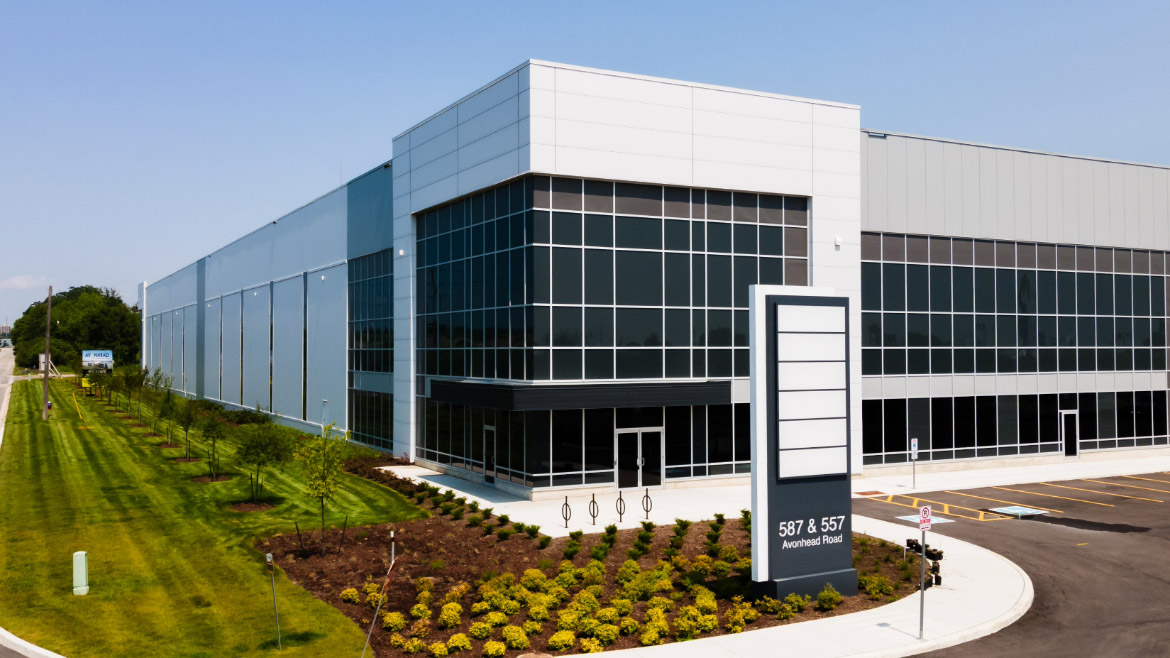
STREAMLINED: At 587 Avonhead in Mississauga, Ontario, IMPs made it possible to achieve net-zero carbon performance while saving on materials and streamlining installation. (Courtesy of Kingspan)
Speed of Build: MU Stephens Indoor Practice Facility
Speed is often a critical factor in construction, especially when working with facilities that have tight timelines, such as sports complexes. The University of Missouri's Stephens Indoor Practice Facility, spanning 86,400 square feet, serves as a prime example of how IMPs can speed up construction without compromising quality. In this case, the use of IMPs enabled the project to meet a tight deadline ahead of the school’s football season.
IMPs require only one type of installer, as opposed to traditional systems that need multiple trades. This simplified installation process allowed the facility to reach the "dried-in" stage faster, allowing for subsequent work to begin promptly. Additionally, the quick installation of IMPs helped the project stay on schedule despite potential weather delays, making them an essential solution for fast-track construction projects.
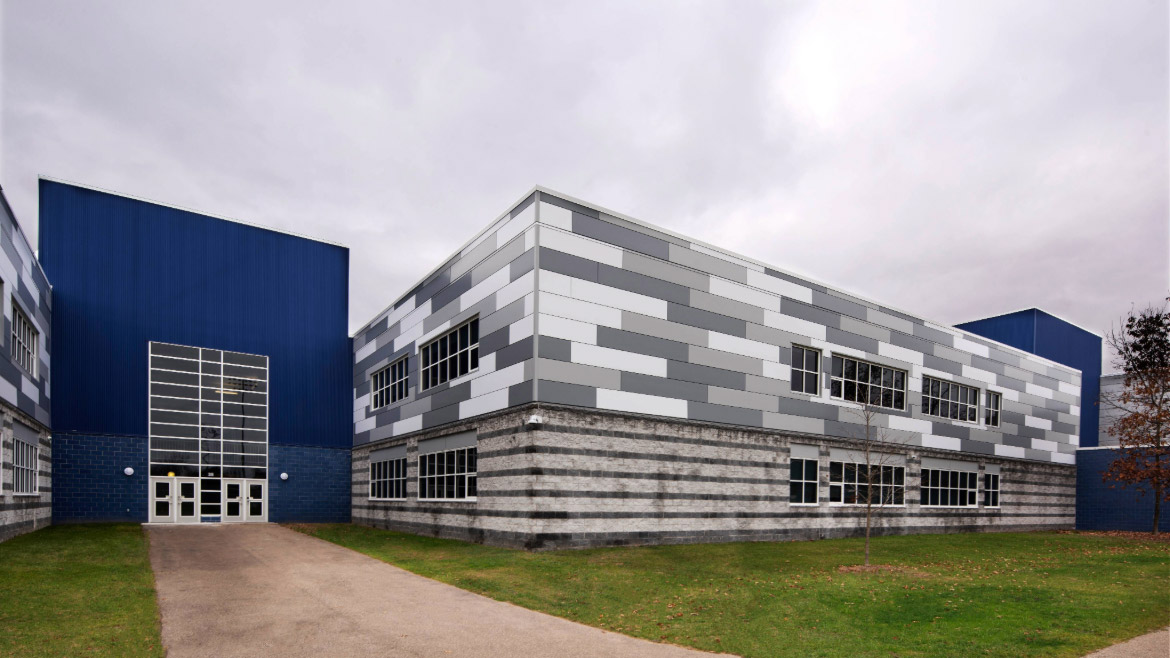
RETROFIT: Walled Lake Central High School’s retrofit in Michigan used IMPs to boost energy efficiency and drive down costs, delivering a durable, all-in-one solution for the school’s façade. (Courtesy of Kingspan)
Cost: Walled Lake Central High School
For educational institutions, staying within budget while meeting building standards is always a challenge. At Walled Lake Central High School in Michigan, the retrofit of the school’s façade required a cost-effective solution that could address both water intrusion and thermal inefficiency.
Not only did the IMPs deliver excellent thermal efficiency, but their all-in-one system also served as a barrier against air, water, and vapor, eliminating the need for multiple layers of other building materials. IMPs helped streamline the renovation process, reducing the need for complex waterproofing systems and labor costs associated with installing traditional multi-component wall systems. Additionally, when compared to tilt-up and precast concrete methods, research shows that IMPs can reduce overall installation costs by up to 25% in the U.S.
The long-term durability of IMPs can also help lead to maintenance savings over time. The project was completed on budget while meeting the school's aesthetic and performance goals.
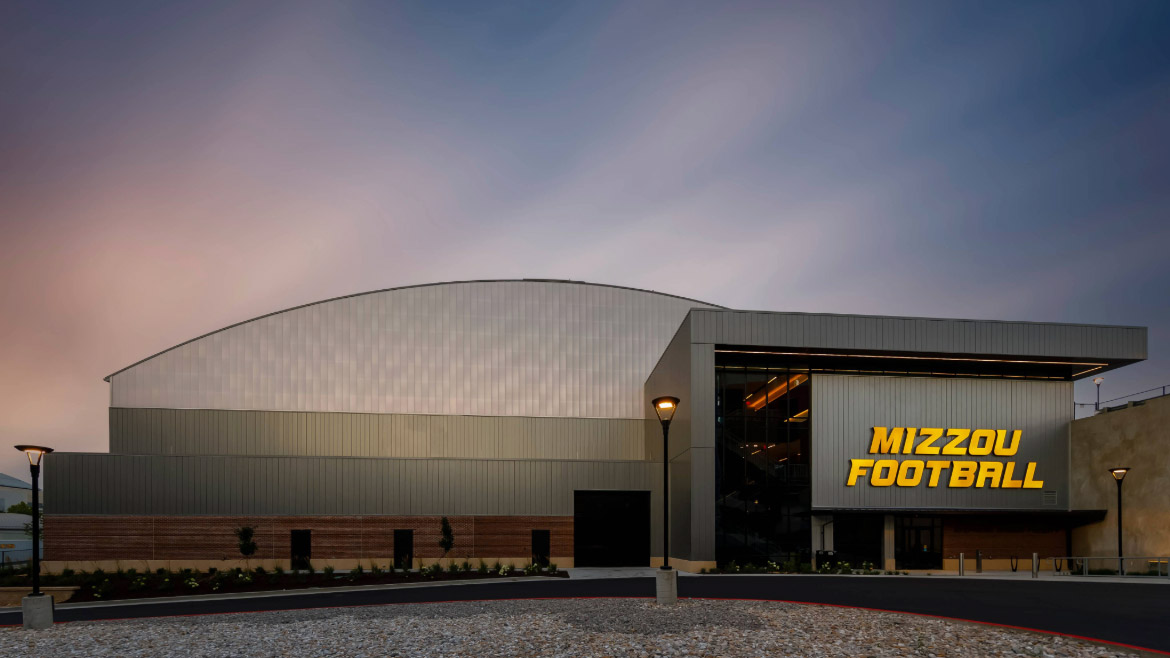
SHOWCASE: The Stephens Indoor Practice Facility at the University of Missouri showcases how IMPs enabled rapid construction – meeting tight deadlines without sacrificing quality. (Courtesy of Kingspan)
The Growing Role of IMPs in the Construction Industry
As the construction industry faces ongoing economic pressures and evolving regulations, the demand for innovative solutions, like IMPs, will grow. These panels offer a versatile solution for both new builds and retrofits, enabling faster construction, lower costs, and improved efficiency.
IMPs are set to redefine how buildings are constructed, offering a solution that is as adaptable and innovative as the future of the construction industry itself.
Looking for a reprint of this article?
From high-res PDFs to custom plaques, order your copy today!