HVAC and the Grid of the Future
Experts: Smart technology, renewables, flexibility will contribute to a stronger grid
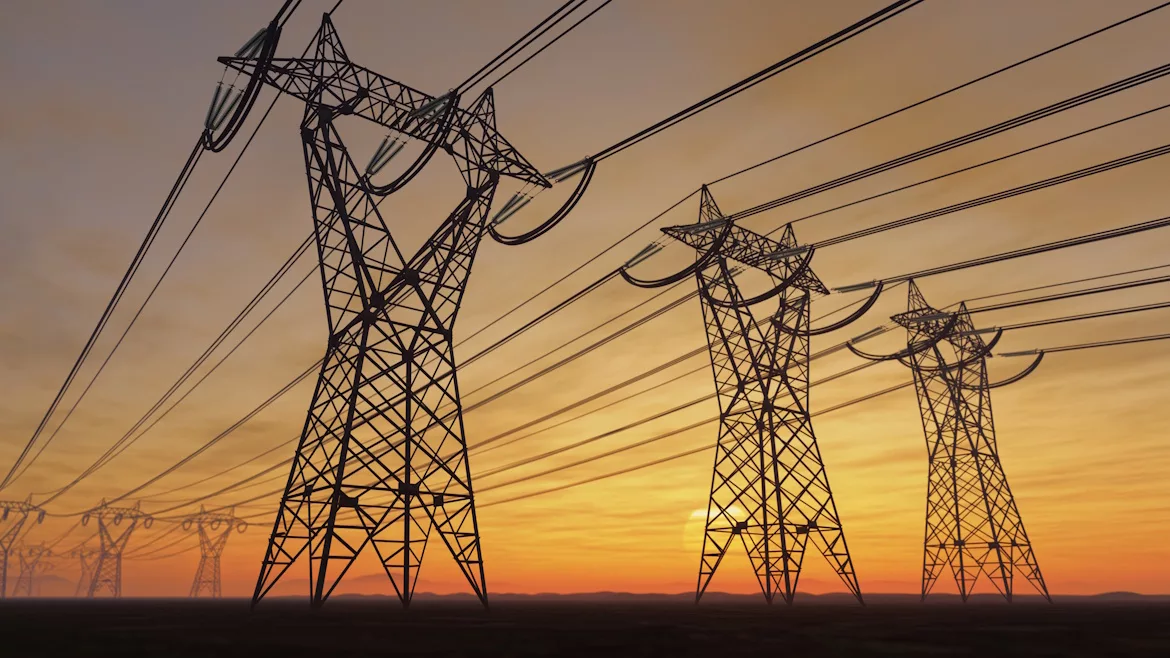
A GROWING GRID: The U.S. Energy Information Administration (EIA) expects the demand on the country’s electrical grid will increase by 25% by the year 2030.
With the boom in data center construction leading the charge, the demand for electricity in the U.S. is expected to increase by 25% by 2030, according to the U.S. Energy Information Administration (EIA). At the same time, momentum for building electrification is growing, and HVAC manufacturers, utilities, and governments are incentivizing electric heating and cooling equipment such as heat pumps, which have outsold gas furnaces in recent years.
So will the grid be able to keep up and maintain resilience as demand, particularly from heat pumps, accelerates? Yes, experts say, with careful planning, smart technology, increased flexibility, renewable energy sources, and involvement from key players.
Recent history shows the grid can meet and even exceed increasing demand, said Dana Fischer, senior director of regulatory strategy for the HVAC division at Mitsubishi Electric U.S.
“While there is variation by region, since 2000, grid capacity growth has outstripped demand growth, with average grid underutilization exceeding 30%,” Fischer said.
The expected 25% growth rate over the next five years, Fischer added, is roughly half the rate the country saw between 1950 and 1970.
Innovation is key, said Beth Crouchet, director of energy markets and resource planning at Budderfly, an energy-as-a-service company focused on small- and medium-sized businesses.
“I do find hope in that I see a lot of companies working very hard to innovate and to meet the data center demand, and I see a lot of movement,” she said. “The good news is I think we’ll get there,” Crouchet added.
A Role For HVAC
The HVAC industry has a role to play in the expansion and hardening of the grid, and in the flexibility the grid of the future will need, said Sara Baldwin, senior director of electrification at Energy Innovation, a nonpartisan research group. Industry representatives, if they’re not already, need to get involved at the regulatory level, starting with state public service commissions, where issues like grid planning, utility incentive programs, and demand forecasting are discussed, Baldwin said.
“Coordinate with the trade associations in every state and figure out what the game plan is for being at the table, being in the room, and making sure that your voices are heard,” Baldwin said.
HVAC manufacturers, Baldwin said, should also make sure decision-makers at electric utilities understand the latest technology in equipment like heat pumps so they’ll have the best information as they make demand forecasts.
“If times are changing and the technologies are changing and they don’t have the best numbers or the best kind of reality check on their forecast, that they can significantly underestimate load growth from heat pumps or from electric vehicles or from other technologies that, you know, maybe they just haven’t had as much exposure to,” she said.
Crouchet said HVAC is “foundational” to grid flexibility and resilience because it can be equipped with smart technology that can modulate usage to adjust to events such as power failures and demand spikes. While the conditioning of a building with that kind of system may only be changed by a degree or two, she said, aggregating these systems can save thousands of kilowatts.
“It’s time to start being innovative,” she said.
Virtual Power Plants
This concept is at the heart of the business model at Budderfly, which buys, installs, and maintains high-efficiency HVAC equipment for small and medium-sized businesses. A Budderfly customer can then opt into a “virtual power plant” that can relieve grid pressures during times of high demand, and customers can even get paid, or get credits toward energy costs, for allowing that kind of flexibility, she said.
Batteries, including batteries built into HVAC equipment, and renewable sources of electricity such as solar power can all play a role in virtual power plant programs, Crouchet said, but HVAC is the “backbone” of this kind of advanced demand-response system.
“We need to make HVAC systems ‘grid-interactive,’” said Julie Petrone, global product marketing manager for building automation and U.S. sustainability and energy efficiency at ABB Electrification, which provides solutions for electricity distribution and management. “This means integrating intelligent controls that can shift or modulate energy demand during peak periods.”
Both Daikin U.S. Corp. and Mitsubishi Electric Trane US HVAC, or METUS, a partnership between Trane Technologies and Mitsubishi Electric, are on board with that.
“Daikin’s applied equipment is also ‘smart’ and can be controlled within the building operating system environment if the building owners have agreements with their utilities and wish to do so,” said Zak Paget, director of corporate communications and public relations at Daikin. “That’s energy resilience in action.”
“Developing standards and controls to provide grid flexibility from HVAC equipment” at METUS “and through third-party development is helping address the issues of energy efficiency, climate, and demand management by giving grid operators additional options for managing load during peak events,” said Fischer.
Inverter heat pumps will be key, Paget said, as they constantly adjust cooling or heating output to meet building needs, avoiding wasteful on-off cycling of single-stage systems. Advanced heat pumps that eliminate the need for backup electric resistance heating will also be vital, he said.
Future Of Renewables
Renewables and battery storage will play a larger role in the grid of the future, experts said.
“We have a ton of wind and solar trying to connect to the grid now and provide the energy that we need,” said Baldwin. “And batteries are also coming down in costs, making all of those resources just much more complementary, flexible, and agile to meet our grid needs and keep the lights on.”
“All generation sources, plus batteries, will be required to keep up with growing demand,” said Brian Nelson, U.S. renewables segment leader at ABB Electrification.
Nelson said that share will grow, because solar power and energy storage systems can be built faster than other systems that contribute to the grid, and the cost of those technologies has been coming down. "When speed to power is the challenge, solar and storage are the solution," he said.
According to the U.S. Department of Energy’s Lawrence Berkeley National Laboratory, the installed cost of a utility-scale photovoltaic solar system for generating electricity is 73% what it was in 2010.
Renewables and battery storage can have an impact on the individual building level, too — by taking HVAC off the grid. Barron Heating AC Electrical & Plumbing, which serves an area in northwest Washington state, recently installed a Daikin all-electric home heating and cooling system attached to a solar array and a 15kW backup battery. That means the system not only runs on renewables, said Brad Barron, CEO and a partner in the company, but it’s protected from grid disruptions too.
“While manufacturers like Daikin don’t yet label their equipment as ‘battery- or solar-ready,’ advanced inverter heat pumps such as the Daikin Fit pair effectively with solar and storage platforms,” Barron said. “The key is thoughtful system design: understanding how much sun you get, what your household energy profile looks like, and how often outages occur.”
Looking for a reprint of this article?
From high-res PDFs to custom plaques, order your copy today!