California Contractors Get Long-Awaited Change Order Relief as Newsom Signs Landmark Reform Bill
Law reduces the leverage owners have to drag out negotiations or contest legitimate claims
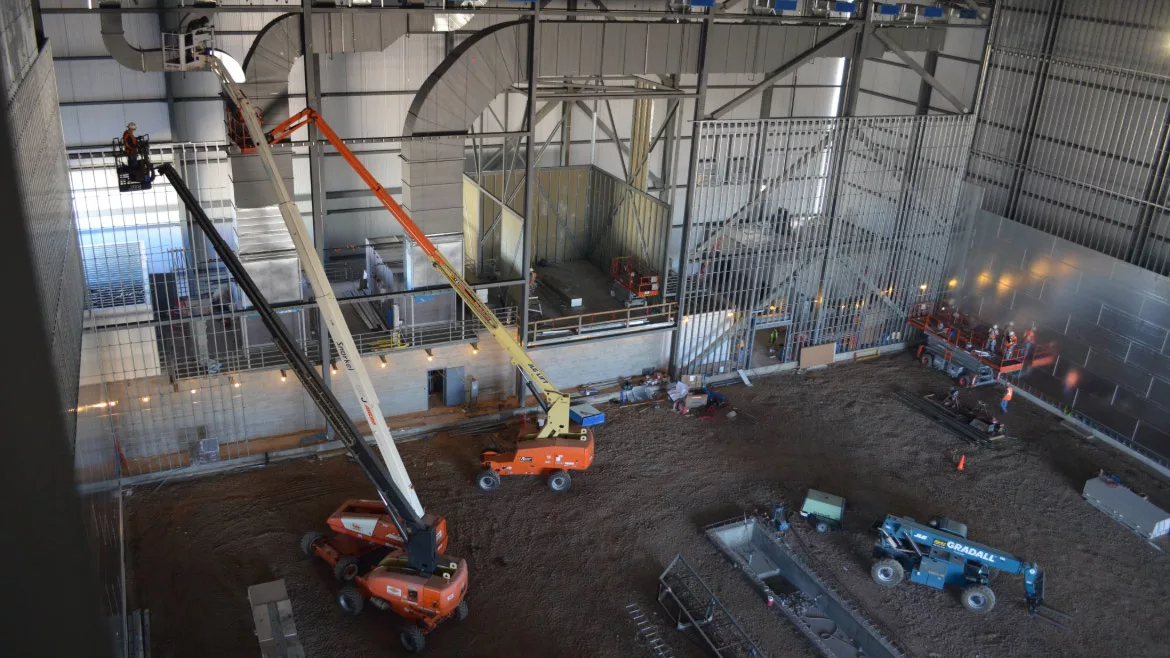
DUCTED: Sheet metal contractors install ductwork at the U.S. Army Corps of Engineers Sacramento District project in Sacramento.
California’s construction industry just got a game-changing win. On Friday, Governor Gavin Newsom signed into law a long-fought change order reform bill, marking a turning point for contractors and subcontractors who have struggled for years with delayed payments and financial risk when public projects change course mid-stream.
This landmark legislation, dubbed the “Private Works Change Order Fair Payment Act,” was championed by industry voices like the Sheet Metal and Air Conditioning Contractors’ National Association (SMACNA).
Under the new law, when a contractor submits a written change order for extra work on a private project, owners must issue a written response within a set period—typically 30 days. If the owner fails to respond, the change order is deemed approved, clearing the way for contractors to get paid for work performed outside the original contract. The law also establishes a streamlined process for claim resolution, aiming to reduce disputes and the risk of litigation that can tie up payments and resources for years.
Why It Matters for Sheet Metal Contractors
Change orders are a fact of life in construction. Unanticipated site conditions, design changes, and regulatory hurdles mean that few projects go exactly as planned. For sheet metal and HVAC contractors, these changes often mean performing costly extra work—sometimes involving custom fabrication or major material outlays—without a guarantee of timely payment.
SMACNA’s guidelines emphasize that “contractors and subcontractors must become adept at dealing effectively with change in order to survive and be profitable.”
Contractors have long argued that the lack of timely payment for change orders puts them in the position of bankrolling projects for owners. As SMACNA’s Stanley E. Kolbe Jr. put it, “subcontractors are essential to contracting, and the ability to manage increased costs is critical to maintaining the financial viability and competitiveness of these businesses.”
A Solution Years in the Making
The new California law represents a direct response to those longstanding industry concerns, providing a clear, enforceable pathway for getting paid for extra work, and reducing the leverage owners have to drag out negotiations or contest legitimate claims. It’s a win for financial stability, jobsite morale, and the future of skilled trades in the state.
How It Compares to Federal Reform Efforts
While federal change order reform has been debated and supported by SMACNA and others for years, California’s new law leapfrogs those efforts, giving state contractors a practical solution—and potentially setting a precedent for other states to follow. Kolbe’s advocacy made clear that legislative action is needed at every level to ensure that “subcontractors are not harmed on existing and future contracts or left exposed to the risks of project changes and payment delays.”
Looking Ahead
For the thousands of sheet metal contractors who keep California’s buildings, schools, and infrastructure projects on track, the signing of this bill is more than just a legislative win—it’s a shot of financial security and a recognition of the vital role contractors play in the state’s economy. With change order payment reform now on the books, contractors can focus on what they do best: building California’s future, one project at a time.
If you’re a sheet metal contractor working in California, change order payment just got a whole lot fairer—and faster.
Looking for a reprint of this article?
From high-res PDFs to custom plaques, order your copy today!