Creating a Community of Trust: Why Campus Safety Begins with Facility Upgrades
As schools and universities modernize aging infrastructure, renovation safety becomes an urgent priority
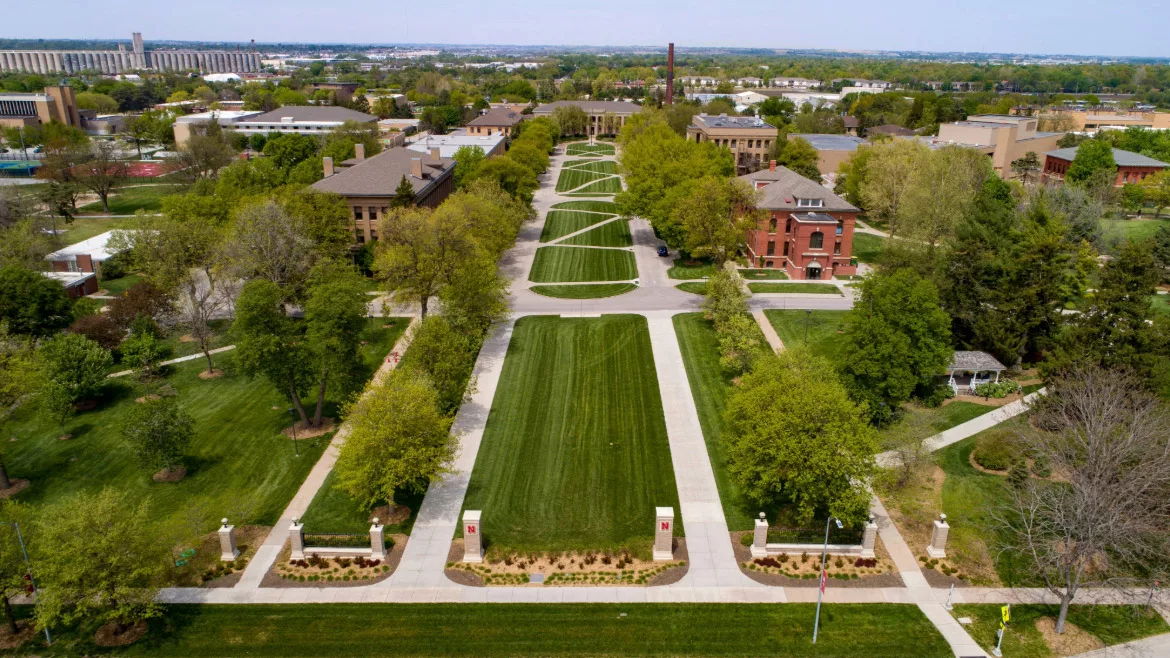
CAMPUS: The University of Nebraska-Lincoln East Campus, home to historic architecture and innovative research facilities, shows a blend of tradition and renovation.
From Boston’s tragic Back Bay fire to the somber Notre-Dame Cathedral blaze, we’ve all seen it before: a building renovation project resulting in a catastrophic emergency.
Though renovation fires are far less common than “ground-up” construction fires, when they do occur, the consequences are far-reaching: 85% of renovation fires spread beyond their origin, threatening the safety of neighboring structures, residences, and even individuals if not extinguished in time.
As colleges, universities, and K-12 schools increasingly look to renovation or retrofitting as a sustainable, cost-effective strategy to transform aging school infrastructure and enhance student experiences, renovation fire prevention and hazards reduction is emerging as a critical component of campus safety.
By embracing a safety-first approach for campus retrofits, facilities leaders not only raise the bar for managing risk but help cultivate a campus where students feel safe.
The Case for Campus Upgrades: Why Now?
When considering the upfront investment needed for comprehensive campus renovations, and the resulting safety risks posed by these upgrades, campus leaders may rightfully question the need for upgrades at all.
But with the average age of U.S. public schools standing at 49 years, and essential upgrades, such as replacing outdated heating, ventilation, and air conditioning systems needed in at least 36,000 schools across the nation, the challenges arising from aging and outdated buildings present a strong case to forge ahead.
Further, with the built environment accounting for 40% of all national energy use, the need for widespread campus retrofits grows more urgent. As K-12 schools account for 72 million metric tons of carbon emissions annually, outdated school infrastructure stands out as a key target for energy efficiency and decarbonization efforts.
From threatening the safety and well-being of building occupants to driving unsustainable energy consumption, the risks of aging school infrastructure are formidable, yet common renovation missteps can evoke catastrophe.
However, campus facilities leaders do not have to remain in renovation limbo. From handling asbestos to preventing electrical overloads or arc flashes, facilities managers will find robust guidance to manage most elements of campus renovation within the latest industry standards.
Establishing a Foundation of Safety
Before any modifications occur, the most integral step for all campus renovations is conducting a thorough assessment of target facilities. These detailed inspections help stakeholders measure the physical condition of buildings, understand how underlying systems interact and function, and uncover safety risks including code noncompliance, structural deficiencies, and health or environmental hazards.
This early stage is also a critical point where facilities managers, campus administrators, and any external teams (contractors, engineers, etc.) should establish clear protocols for risk reporting and incident response.
The National Fire Protection Association’s NFPA 241 provides key safeguards to protect lives and property from construction and renovation fire hazards, as well as the NFPA 70E for electrical safety. Given that construction and building modification work account for nearly one in five annual worker fatalities, upholding occupational health and safety best practices is paramount. By applying the latest ANSI/ASSP Z10 standards, facilities managers can remain proactive in preventing worker injury. Ultimately, these standards are much more than industry guidance: they are strategies to ensure facilities leaders are actively thinking about the safety of each person on their campus.
Aligning Safety, Energy Efficiency, and Cost-Effectiveness
With innovation in smart building technology and green architecture, campus facilities managers have countless options to inspire school renovations. However, the most successful upgrades are not only aesthetically pleasing, but are aligned to support a school’s financial, operational, and retention goals.
Achieving these wider organizational goals begins with defining the scope and objectives of campus projects, as after all: “You can’t manage what you don’t measure.” Here, building assessments also serve as a starting point for identifying critical pain points such as inefficient systems, replacement needs, and energy conservation opportunities.
These insights enable teams to pursue building modifications that are both energy efficient and cost-effective, such as comprehensive retrofits. Replacing boilers with high-efficiency heat pumps, installing high-performance windows, and upgrading carbon filament bulbs to LEED lighting are long-term strategies to reduce energy consumption, offset carbon emissions, and reduce facilities costs overall. Smart meters and building controls take energy efficient upgrades further enabling real-time monitoring of water and energy consumption.
Many components of this goal-alignment approach also support campus safety. For instance, building assessment and planning help teams prioritize critical issues that require quick remediation. Further, energy efficiency upgrades can have a positive impact on student well-being. Improved indoor air quality is one key benefit of high-efficiency HVAC systems and support LEED Safety First credits for building certification.
Leading By Example – “Safety-First” as a Guiding Principle
The path forward for facility managers is clear: lead with a “safety-first” mentality. And with key examples of leaders aligning safety with cost-effectiveness, sustainability, and organizational goals, facilities professionals do not have to reinvent the wheel.
For example, Emory University is a leader in creating a strong and safe culture among their facilities team. Emory’s team prides itself on transformation and communication to ensure that their community feels comfortable on campus. Justin Thomas, Emory’s energy manager, shares that Emory underwent a “cultural shift,” and now by prioritizing communication and responsiveness as a team, they are working even faster to improve the conditions of all buildings onsite.
Honoring The Past, Building the Future
According to Inside Higher Ed, for nearly two-thirds of prospective college students, the condition of campus facilities is a key influence on enrollment decisions. And this preference goes beyond modern athletic facilities or sleek dining halls. For many students, a school’s historic legacy showcased through stained-glass windows, ornate details, or classic architecture is what connects them to campus culture. Moreover, institutions treasure the hard work and artistry exemplified by their historic buildings as a testament to their school’s founding.
Navigating the balance between preserving historic character and embracing campus transformation is a fine line for campus facilities professionals to walk, but forging a path forward is integral.
By upholding industry standards, proactively managing safety risks, and establishing clear communication channels, campus facilities leaders can avoid the financial, reputational, and environmental consequences that stem from renovation emergencies. The future is bright for facilities managers who understand and embrace the responsibility to keep safety top-of-mind in all areas of campus transformation.
Looking for a reprint of this article?
From high-res PDFs to custom plaques, order your copy today!