Tariffs and Trade: Charting the Future of Metal Construction and Design
Experts from the metal construction industry weigh in on tariffs and economic growth
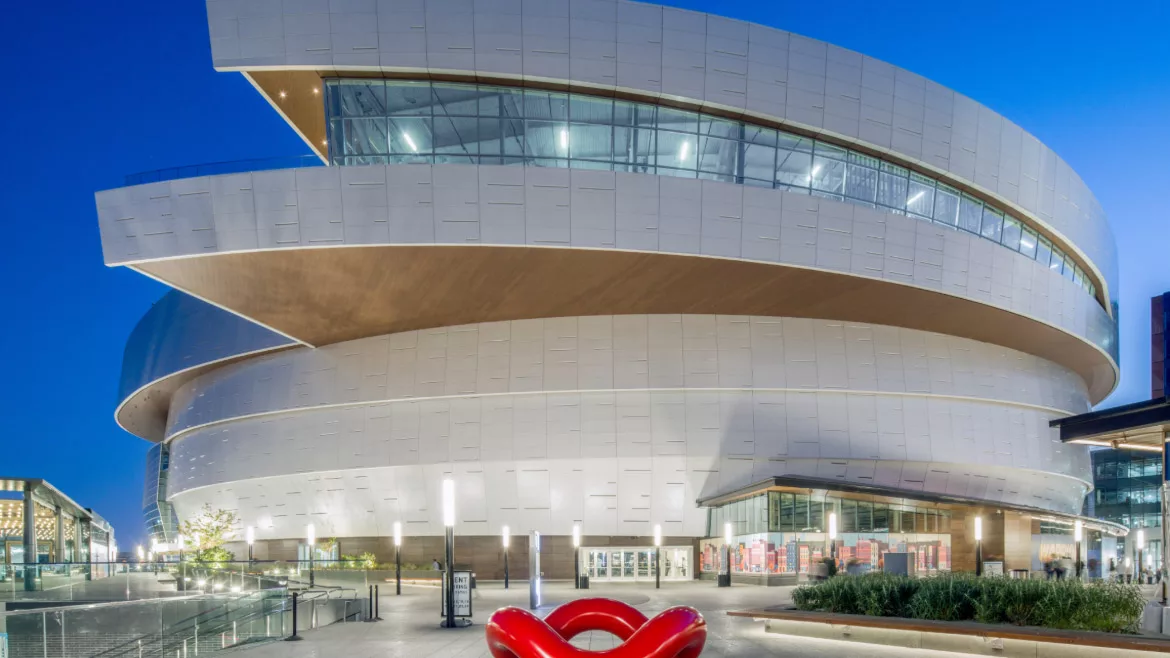
RESILIENCE: Despite tariffs and market volatility driving steel prices up 40% since January, the metal construction industry demonstrates remarkable resilience, particularly in non-residential projects. (Courtesy of Jason O’Rear Photography / Chase Center San Francisco)
Navigating a turbulent economic landscape has become the order of the day for the metal construction industry. In a recent webinar hosted by METALCON Online, industry leaders came together to discuss the impacts of tariffs, supply chain disruptions and shifting market dynamics on the metal construction sector. With METALCON 2025 approaching, now is the time to engage in these critical discussions.
Central to the conversation was Ken Simonson, chief economist at the Associated General Contractors of America (AGC), whose precise and candid insights about the current state of the economy and the specific effects of tariffs resonated strongly with the audience.
Simonson underscored the importance of understanding how governmental policies directly impact construction markets. The impact of tariffs is profound because they affect not only the cost of raw materials but also the strategic decisions that contractors and manufacturers make every day.
The metal construction industry, particularly in the non-residential segment where structural metal plays a key role, has experienced robust growth up until the end of 2024. “Real Gross Domestic Product (GDP) has been growing now since we got out of the very brief recession caused by the pandemic in 2020,” Simonson explained. He noted that despite a recent drop in confidence—ranging from business and consumer sentiment to specific indices like the architecture billings index—the underlying fundamentals of construction spending remain intact.
Tariff Landscape
Simonson quickly moved onto tariffs and laid out the evolving and uncertain tariff landscape. He said, “We’re subject to 25% tariffs on aluminum and steel, and tariffs on goods from Canada and Mexico that are not covered by the United States–Mexico–Canada Agreement (USMCA), the successor of NAFTA. It’s a very tricky, complex proposition to figure out exactly what is eligible, but in any case, President Trump has threatened to end any exemption for Canada and Mexico on April 2nd.”
These policies, Simonson warned, could lead to dramatic shifts in pricing and supply chain logistics. The potential imposition of additional tariffs—ranging from as-yet unspecified reciprocal tariffs on every trading partner to possible fees on Chinese-built ships calling on U.S. ports—adds layers of uncertainty for an industry that depends heavily on imported materials as compared to other industries. Ian Waddell, regional manager at JFE Shoji America, said, “I think if they have the opportunity to use ships that aren't made in China, that's something they will try to take advantage of as well.”
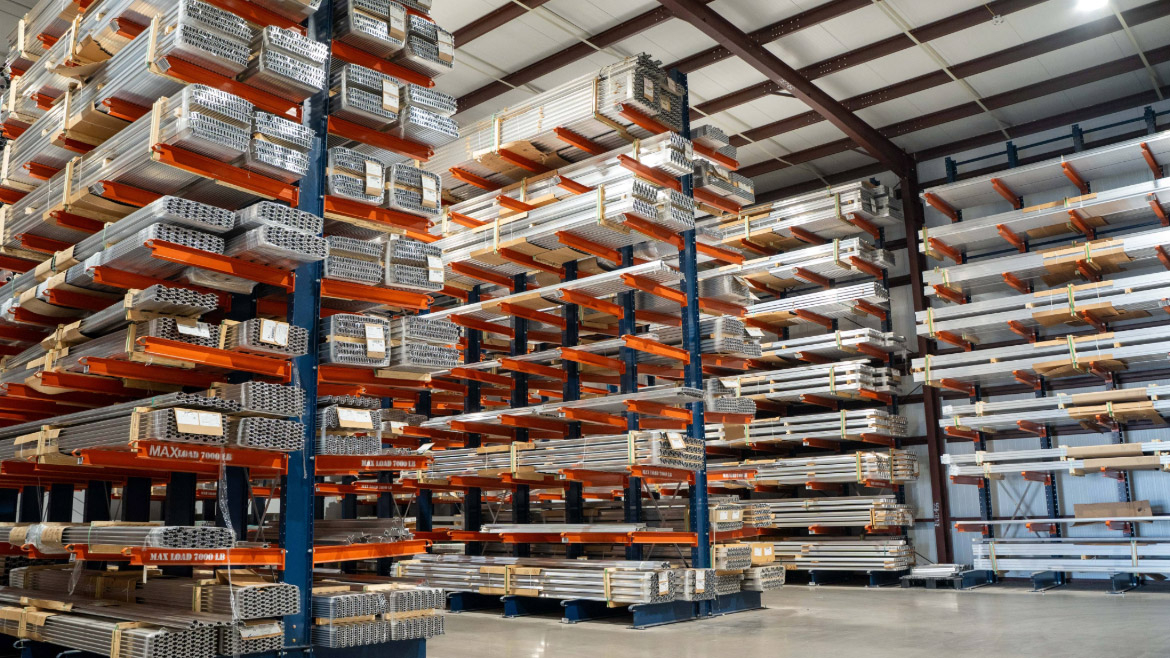
METAL:With construction spending maintaining positive momentum through 2025, metal buildings continue to evolve and adapt, even as the industry navigates complex challenges from global trade policies and supply chain disruptions. (Courtesy of S-5!)
Economic Trends and Industry Perspectives
Beyond the immediate impact of tariffs, Simonson also painted a broader economic picture. “I do think the economy has shown tremendous resilience in the last five years,” he observed. Simonson's assessment draws a clear connection between short-term market jitters and the underlying long-term trends that continue to drive construction activity, particularly in areas such as data centers and utility scale battery storage. “Data center construction is up 46% from January of last year to January of this year,” he noted.
Other panelists reinforced and expanded on Simonson’s analysis. Tony Bouquot, general manager of the Metal Building Manufacturers Association (MBMA), highlighted the industry’s cautious approach. He said, “I am hearing caution. I’ve probably taken more questions on tariffs in the last three weeks than in the prior three years. Companies are letting their customers know that they expect that there might be changes on the way, but I haven’t seen anybody announce price increases yet.” Bouquot’s remarks reflect a widespread sentiment among manufacturers who are bracing for an unpredictable regulatory environment.
Robert Tiffin, president of the Metal Building Contractors & Erectors Association (MBCEA), probed further into the specifics of tariff coverage and exemptions. He said to Simonson, “I have heard conversations like, ‘We pour and melt our steel here in the U.S., but we fabricate it in Mexico, so will it be covered when it comes back in?’”
Simonson responded, “As I mentioned, it’s very complicated,” highlighting the complexity of determining what falls under tariff exemption and what does not, such as steel or aluminum components or product that has crossed the border once already. The ambiguity of the current policies underscores the difficult decisions that companies must make when planning for the future.
Market Volatility
This intricate web of tariffs is also having a cascading effect on manufacturing spending and project planning. Simonson pointed out that, “census totals for total manufacturing construction have hit record levels,” yet remain highly susceptible to market shifts driven by tariff changes. He referenced high-profile projects—such as the semiconductor fabrication plants—that inject massive sums into a single month’s data. However, he also warned that many of these projects might slow down or even be canceled in the wake of tariff uncertainties, making it harder for companies to forecast long-term demand.
The volatility extends to raw material pricing as well. Keith Shuttlesworth, chief commercial officer at Flack Global Metals, provided a stark illustration of the current market volatility: “Looking at just flat roll sheet products, hot roll coil went from $680 a ton in January to $950 a ton today, almost a 40% increase. How quickly does that show up in terms of those construction products?”
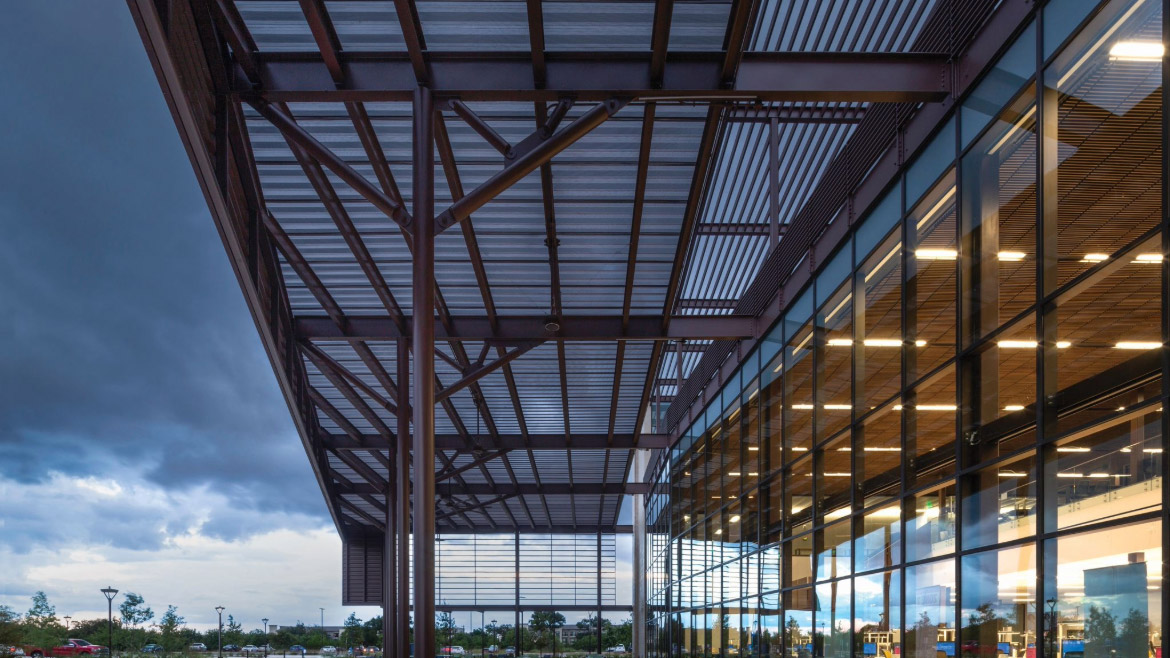
DATA CENTER: As data center construction surges 46% year-over-year, metal buildings stand at the forefront of industrial expansion, showcasing the sector's vital role in supporting technological infrastructure growth. (Courtesy of Matt Winquist)
Such price swings can have serious implications for contractors, whose ability to lock in margins and forecast project costs is increasingly compromised. Simonson’s analysis dovetails with Shuttlesworth’s observations, as he pointed out the risk of sudden and steep materials cost increases that might leave contractors “not just losing profit margin, but maybe not even able to complete projects.”
Confidence and Workforce Challenges
In a discussion of broader economic impacts, Simonson also touched upon the effects of declining confidence among consumers and contractors alike. He noted that “in the last six weeks, we’ve seen huge drop in all measures of confidence” despite construction spending remaining positive. This divergence between sentiment and spending is critical for understanding the future trajectory of the industry. While current spending figures may suggest a robust market, the underlying uncertainty—exacerbated by tariffs, potential regulatory changes, and geopolitical tensions—could lead to a more cautious approach in the coming months.
Another dimension of the discussion focused on the issue of immigration and its impact on the construction workforce. “Finally, I’d mention the drastic shutdown of immigration and the threat of mass deportation, so-called,” Simonson explained. With nearly 34% of construction trades being foreign-born—and as high as 50 to 60% in certain specialties—any changes in immigration policy could severely disrupt labor availability, further complicating project timelines and cost estimates. This labor uncertainty is yet another factor that contractors must weigh against the backdrop of rising tariffs and material costs.
Future Outlook
Looking ahead, the conversation naturally turned to the near future of the industry. With METALCON on the horizon, the webinar provided a timely opportunity to not only dissect current challenges but also to chart a path forward. The industry’s premier event promises to be a critical gathering for professionals seeking to share strategies, network and learn about innovative solutions to manage the volatility of tariffs and other market pressures.
Despite the headwinds of rising tariffs, supply chain challenges and economic uncertainty, there remains a strong belief in the resilience and adaptability of the construction industry. While there are significant challenges, especially with the unpredictable nature of tariffs and associated trade policies, there are also sectors that are poised for continued growth.
“We have seen a small revival of single-family home building,” Simonson remarked, and even though multifamily construction has tapered off after record levels, new avenues are emerging—particularly in the realm of non-residential construction. His analysis suggests that while short-term adjustments may be required, the long-term fundamentals of the construction industry remain robust.
For contractors and manufacturers alike, one of the most pressing issues is how to manage cost uncertainty. Simonson pointed to the importance of tools and indices that track price movements. “I look every month at the producer price indexes by the Bureau of Labor Statistics,” he explained. “There is a steel mill products index and also one for copper, brass and aluminum.” These tools help contractors gauge when input costs are rising so they can adjust their bids accordingly. However, the lag between mill announcements and actual market prices, as noted by Shuttlesworth, further complicates matters, emphasizing the need for proactive strategies to mitigate the impact of these delays.
The discussion around tariffs has clearly highlighted the need for robust risk management strategies. The potential for further tariff increases or adjustments underscores the complex interplay between global trade policies and local market realities. These are not abstract concepts for the metal construction industry—they are real factors that influence pricing, project feasibility, and strategic planning.
Simonson’s frank assessment that “retaliatory actions by other countries may mean that U.S. businesses that were growing agricultural products for export or producing manufactured goods for export could suddenly find that they have lost markets”—a sobering reminder of the interconnected nature of today’s economic environment.
As the industry braces for potential further volatility, the messages conveyed emphasizes the need for adaptability, vigilance and collaboration. For those in the metal construction and design industry, METALCON represents a unique opportunity to connect with peers, learn from leading experts and explore innovative strategies to manage tariff-related risks. As Simonson optimistically noted, “I remain a chronic optimist…” and that optimism is the cornerstone on which future growth and resilience will be built.
Looking for a reprint of this article?
From high-res PDFs to custom plaques, order your copy today!