Safety Measures for an Aging HVAC Workforce
Challenges and solutions for a safer workplace
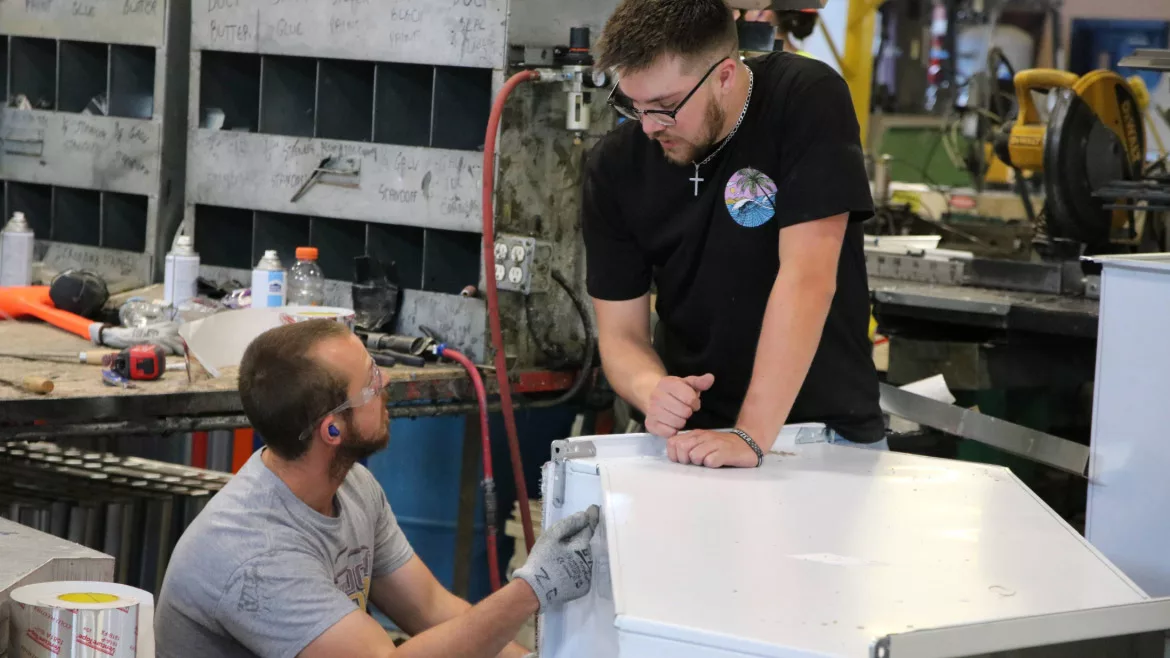
MENTOR: Fostering mentorship is an important strategy for addressing an aging workforce. (Staff photo)
The sheet metal and HVAC industry has long been a cornerstone of the construction and maintenance sectors. As with many trades, our field relies on skilled labor to fabricate, install, and maintain essential infrastructure. However, one of the most pressing challenges facing the industry today is the aging workforce. With a significant portion of workers approaching retirement age, companies must address the implications for fostering a safety and health culture in the workplace.
The Impact of an Aging Workforce on Safety and Health
As the workforce ages, several factors come into play that can affect safety and health in the sheet metal and HVAC industry:
Increased Risk of Injury
Older workers often experience a natural decline in physical abilities, including reduced strength, flexibility, and balance. This can make them more susceptible to injuries, particularly in an industry that requires lifting heavy materials, working in confined spaces, and climbing ladders. Tasks that were once routine may become more challenging, increasing the likelihood of musculoskeletal disorders (MSDs) and other injuries.
Slower Recovery Times
When injuries occur, older workers typically take longer to recover than their younger counterparts. This can lead to extended periods away from work, productivity losses, and increased workers' compensation costs. Additionally, chronic conditions such as arthritis, diabetes, and cardiovascular diseases can complicate recovery and limit an individual’s ability to return to full-duty work.
Cognitive and Sensory Changes
Aging also affects cognitive function, including memory, reaction time, and decision-making skills. In a high-risk environment like the sheet metal and HVAC industry, split-second decisions can mean the difference between safety and disaster. Additionally, diminished hearing and vision can impact a worker’s ability to perceive hazards, such as moving equipment, warning signals, or small details on plans and computer screens.
Workforce Shortages and Knowledge Transfer
With many experienced workers retiring, companies face a potential skills gap. Newer, less experienced workers may not yet have the necessary safety awareness or expertise to perform tasks efficiently and safely. If proper mentorship and training programs are not in place, there is a higher risk of accidents and lower overall productivity.
How Companies Can Improve Safety Culture
To address these challenges, companies must proactively create a culture of safety that accommodates older workers while ensuring that all employees remain protected. Here are some strategies:
Implement Ergonomic Solutions
Employers can reduce physical strain on aging workers by investing in ergonomically designed tools and equipment. This includes lifting aids, adjustable workstations, and tools that require less manual force. Exoskeletons and wearable support devices are emerging technologies that can also help reduce physical fatigue and injury risk.
Provide Ongoing Training and Education
Safety training should not be a one-time event but an ongoing process. Companies should regularly update employees on new safety protocols, industry innovations, and best practices. Additionally, incorporating digital learning tools and hands-on training can help reinforce safety awareness among both older and younger employees.
Promote Health and Wellness Programs
Encouraging a healthy lifestyle can go a long way in preventing injuries and illnesses. Companies can offer wellness programs that include fitness incentives, nutritional guidance, and regular health screenings. By addressing chronic conditions early, businesses can help employees maintain their physical capabilities for longer.
Foster a Mentorship and Knowledge Transfer Program
Pairing older, experienced workers with younger employees can create a mutually beneficial learning environment. While older workers can pass down industry knowledge and safety best practices, younger employees can introduce new technologies and fresh perspectives. This approach ensures continuity and reduces skill gaps as veteran workers retire.
Invest in Advanced Safety Technologies
Modern technology can play a significant role in improving workplace safety. Wearable safety devices, real-time monitoring systems, and automated machinery can help detect potential hazards and prevent accidents. Virtual reality (VR) training simulations can also provide hands-on experience in a controlled environment, reinforcing safety practices without real-world risk.
Conclusion
The aging workforce presents unique challenges for the sheet metal and HVAC industry, particularly in terms of safety and health. However, by proactively addressing these issues through ergonomic improvements, ongoing training, wellness programs, and technological advancements, companies can create a safer and more comprehensive work environment. Prioritizing a culture of safety not only protects employees but also ensures long-term productivity and sustainability for the industry.
The Center for Research and Training (CPWR) just released a new Data Bulletin on this topic including interesting key findings and helpful statistics.
The National Institute for Occupational Safety and Health (NIOSH) has a webpage, The National Center for Productive Aging and Work, dedicated to this issue.
The Pew Research Center has a webpage discussing the larger focus of the aging workforce, The Growth of the Older Workforce.
Looking for a reprint of this article?
From high-res PDFs to custom plaques, order your copy today!