
Decarbonization and Efficiency in 2025: A Roadmap for HVAC Contractors
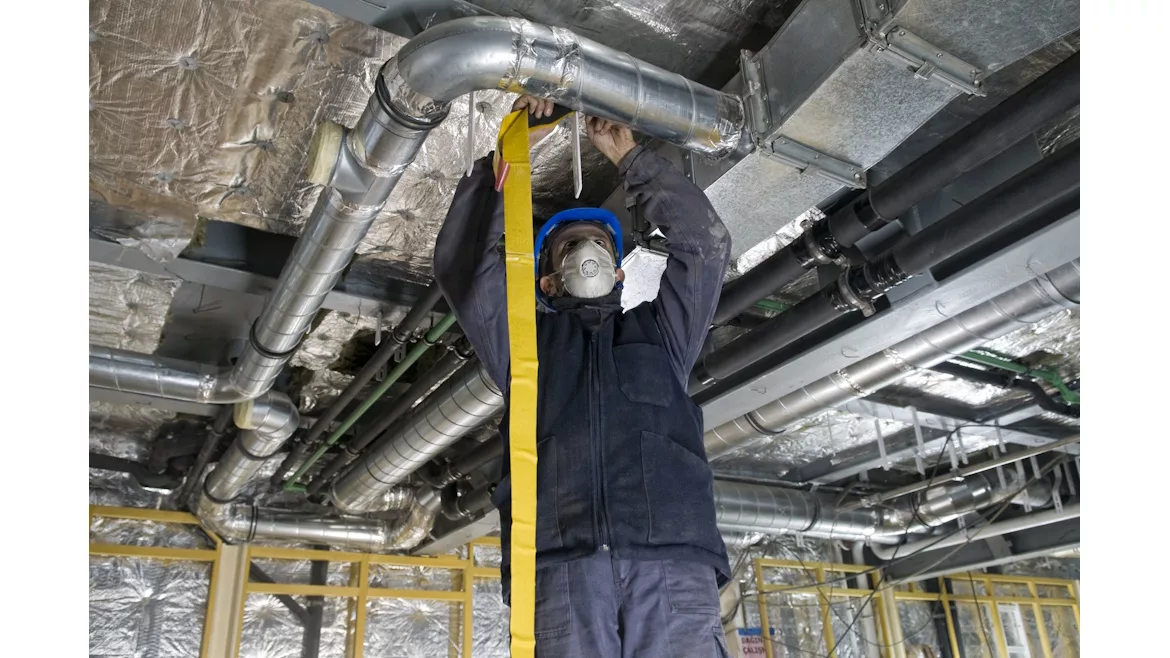
MULTIPLE OPTIONS FOR IMPLEMENTATION: While new construction projects offer opportunities to implement cutting-edge HVAC solutions, the majority of buildings in operation today fall under older building codes, making retrofits a challenge, but not impossible. (Courtesy of Getty Images / 1905HKN)
If the only constant in life is change, the HVAC industry has much to contend with–especially when it comes to decarbonization efforts. Everything from national politics and energy prices to local regulations and consumer preferences is constantly changing the way we think about reducing environmental impact and maximizing energy efficiency. Understanding and adapting to these shifts isn’t just a competitive advantage—it’s essential for long-term success. Here’s a look at the trends shaping the industry, emerging technologies poised to make an impact, and actionable strategies to help suppliers and service providers meet today’s challenges while preparing for the future.
The Impact of Decarbonization on HVAC Design and Functionality
The ongoing push for decarbonization has led to shifts in HVAC system design, emphasizing energy-efficient solutions and the integration of electric heating options like heat pumps. However, not every project will have the budget, time, or ability to integrate all-new technologies. More often, contractors and service providers need to find creative “in the meantime” solutions that enhance systems’ efficiency without replacing them entirely. Upgrades like energy recovery systems and optimized water source heat pumps can extend the life of incumbent equipment while helping meet stricter emissions standards.
Operating existing systems more efficiently can also be a sustainable approach–especially since replacing systems creates considerable waste and the need for extra equipment and materials. Many facilities are leveraging technologies that enhance performance without requiring complete overhauls, aligning with broader goals of reducing emissions and minimizing resource extraction. Contractors can help clients navigate these changes by emphasizing retrofits that extend the lifespan of current equipment while improving performance.
Emerging Technologies Shaping HVAC's Future
Over the next decade, several emerging technologies are poised to redefine HVAC performance. Advanced heat-transfer fluids offer impressive efficiency gains by enhancing thermal conductivity and, therefore, system capacity. HT Materials Science, for instance, is pioneering innovations in this space, enabling existing systems to achieve higher performance with little to no disruption or downtime.
Building automation systems (BAS) integrated with AI are also transforming HVAC operations. AI-driven BAS solutions can predict and respond to demand spikes, automate maintenance alerts, and optimize system performance in real-time. These technologies reduce reliance on manual intervention, allowing facilities to operate more efficiently and proactively address potential issues.
Balancing New Construction and Legacy Systems
While new construction projects offer opportunities to implement cutting-edge HVAC solutions, the majority of buildings in operation today fall under older building codes. Retrofitting these structures to meet modern efficiency standards is a significant challenge—and opportunity. Contractors should prioritize understanding local energy codes and identifying solutions that bridge the gap between past and present requirements.
For example, modular HVAC systems offer flexibility and scalability, allowing contractors to address space constraints and operational needs without requiring major structural changes. These systems also provide redundancy, ensuring that operations continue uninterrupted even if individual components require maintenance or replacement.
Lessons from Early Adopters
Industries such as pharmaceuticals, data centers, and district cooling facilities have been early adopters of cutting-edge HVAC technologies. Sustainability officers, facility managers, and energy managers in these industries often champion innovative HVAC approaches, making them key stakeholders for contractors to engage with.
In the commercial cooling sector, for example, Tabreed (an Engie strategic company) last year piloted HT Materials Science’s patented heat transfer fluid Maxwell, at a 600,000 square foot commercial building complex in Abu Dhabi. Maxwell increased the energy efficiency of the building complex by over 13%. Deploying Maxwell across its portfolio could potentially save more than 220,000 tons of greenhouse gas annually.
Of course, not every industry is using a comparable amount of energy, but there are valuable lessons for all industries to be learned from early adopters who pilot cutting-edge technologies. A ten to fifteen (10 - 15%) percent reduction in energy use–without the need for system downtime or capex is a compelling proposition.
Leveraging Building Automation Systems
Advanced building automation systems (BAS) are increasingly central to HVAC efficiency and occupant comfort. These systems act as the "brains" behind modern HVAC operations, synchronizing equipment to anticipate and respond to demand spikes.
Contractors can enhance system responsiveness and efficiency by integrating technologies that optimize BAS functionality. For example, demand-controlled ventilation systems and occupancy sensors can fine-tune HVAC performance, ensuring buildings maintain comfort while minimizing energy use.
Future-Proofing HVAC Systems: A Call to Action
Future-proofing HVAC systems is no small task. Industry professionals need to ensure that HVAC systems remain compliant with evolving regulations and are resilient against increasing operational demands. We’re constantly balancing environmental worries with budget concerns. So contractors should advocate for solutions that balance upfront costs with long-term benefits, emphasizing the importance of ROI calculations and leveraging incentives such as energy rebates.
By engaging stakeholders, staying informed about emerging technologies, and adopting a mindset of continuous improvement, HVAC professionals can position themselves as pivotal players in the transition to an energy-efficient future.
Looking for a reprint of this article?
From high-res PDFs to custom plaques, order your copy today!




.webp?height=200&t=1739839636&width=200 "PRO_lifestyle_2024_US_29 (1).jpg")