6 Strategies for Boiler Fuel Conversion Projects: How to Maximize Efficiency and Strategic Alignment
By adopting a structured yet flexible approach, organizations can ensure compliance, minimize disruptions, and achieve long-term success
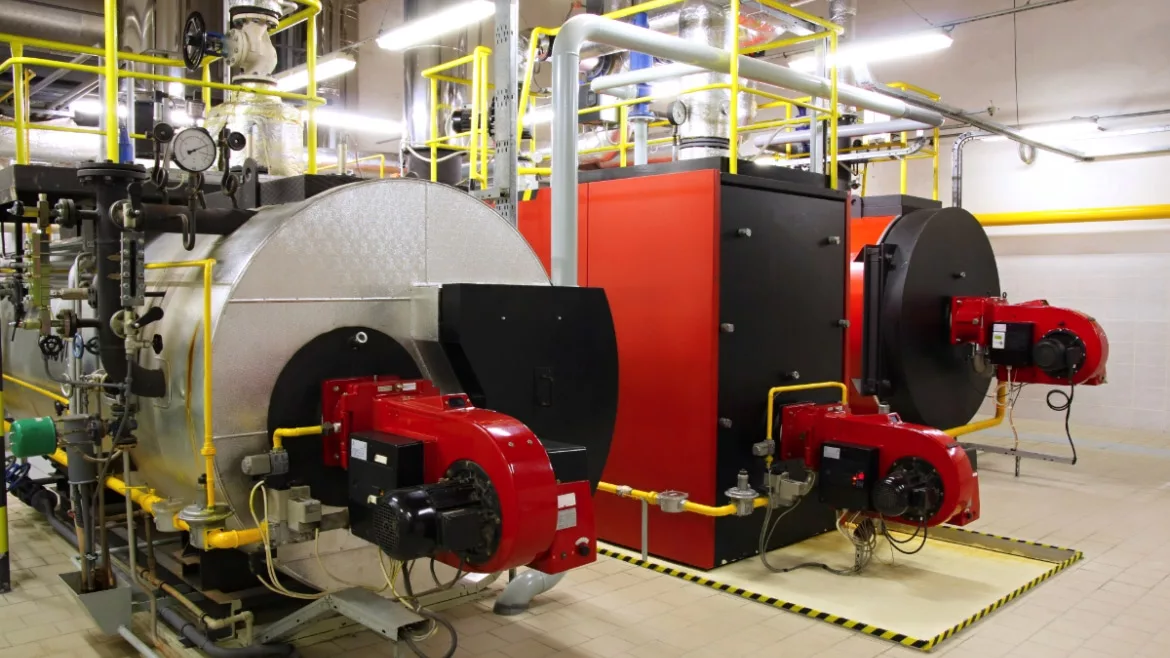
FUEL CONVERSION: To make fuel conversion projects for boiler run more smoothly, consider these steps. (Courtesy of aeSolutions)
Boiler fuel conversion projects are critical for industrial facilities aiming to meet environmental regulations, improve operational efficiency, or mitigate risks associated with aging equipment. Yet, these projects are complex, involving numerous variables, stakeholders, and compliance requirements. A proactive, structured approach is essential for success.
To make these projects run more smoothly, consider these best practices to enhance efficiency, get everyone on the same page early, and keep communication clear with the right stakeholders.
1. Engage Subject Matter Experts with Real-World Experience Early On
Involving the right subject matter experts (SMEs) early in the planning process is crucial.
Experienced knowledge experts bring not only certified credentials, such as functional safety certifications, but also real-world experience in handling complex equipment upgrades. This combination ensures that theoretical knowledge is effectively applied to practical situations.
For example, SMEs who have worked on boiler burner management systems (BMS) and safety instrumented systems (SIS) understand the intricacies of upgrading fired equipment and can anticipate challenges before they arise.
Relevant insights enable better planning and decision-making, avoiding costly missteps, yielding increased successes as a result.
2. Understand Drivers for Boiler Fuel Conversion
Fuel conversion projects are often triggered by a mix of environmental, economic, and operational factors.
Many facilities, particularly older ones, were originally designed for coal-fired boilers, but changing regulations and fuel economies now drive conversions to natural gas or other cleaner alternatives.
Key drivers include:
- Environmental regulations: Stricter guidelines necessitate cleaner fuel sources.
- Economic pressures: Access to abundant natural gas resources makes conversion financially viable.
- Safety incidents: Past incidents or third-party audits often highlight gaps in compliance, prompting updates.
Understanding these triggers helps in prioritizing projects and aligning them with organizational goals.
3. Prioritize Early Planning and Risk Assessments
Early involvement in evaluating existing equipment is critical to avoid reactive decision-making under pressure. Proactive planning reduces downtime, prevents costly emergency repairs and aligns schedules for smoother implementation.
By identifying obsolescence concerns or compliance gaps ahead of time, facilities can proactively plan upgrades during scheduled turnarounds, minimizing operational disruptions.
Structured processes, such as Process Hazard and Risk Analysis (H&RA), which utilize techniques like Hazard and Operability Studies (HAZOP) and Layers of Protection Analysis (LOPA), are foundational for identifying risks and designing effective safeguards/protection layers. These analyses not only ensure compliance with OSHA’s Process Safety Management (PSM) regulations but also highlight whether equipment meets industry standards and recommended practices, such as NFPA 85 and API RP 538.
4. Leverage Partnerships with Vendors
Strong relationships with trusted vendors streamline the procurement of critical components, such as instrumentation and logic solvers for BMS/SIS systems. Approved system integrators, especially those with long-standing partnerships with control system vendors like Siemens, Honeywell, or Emerson, can secure priority access to equipment, mitigating supply chain delays.
Additionally, early discussions with control system vendors enable better alignment on specifications, reducing long-term maintenance challenges and ensuring compatibility with existing systems.
5. Streamline Stakeholder Communication
Boiler fuel conversion projects often involve diverse stakeholders, including technical teams, operations/maintenance personnel, and upper management. Establishing clear communication channels early helps align everyone’s priorities and expectations.
Here are some actionable recommendations to ensure that stakeholders are on the same page:
- Host early technical reviews: Engage SMEs from both sides to review proposed modifications and ensure alignment.
- Focus on compliance and safety: Highlight how the project addresses regulatory requirements and risk mitigation.
- Tailor messaging for leadership: Frame discussions around operational efficiency, cost savings, and return on investment (ROI) to secure leadership buy-in.
6. Adopt a Flexible but Structured Approach
While a structured process is essential, flexibility in execution can significantly reduce project timelines. For instance, leveraging past experiences with similar equipment allows teams to identify and specify key components before completing all formal studies. This parallel approach accelerates procurement and ensures that long-lead items are available when needed.
Case in point: During a recent project, early identification of hazards and safeguards/protection layers allowed the team to place orders for equipment — such as instruments, control system, etc. — in advance. This proactive strategy shortened the overall schedule without compromising safety or compliance.
Conclusion: Plan Early, Communicate Clearly, Execute Efficiently
Boiler fuel conversion projects present a unique mix of technical, regulatory, and operational challenges. By focusing on early involvement, structured risk assessments, and strategic vendor partnerships, facilities can optimize their projects for both efficiency and compliance.
Taking a proactive approach not only prevents costly delays but also positions organizations to meet evolving regulatory and market demands with confidence. By following these best practices, teams can ensure successful project outcomes while aligning with overarching business constraints.
Looking for a reprint of this article?
From high-res PDFs to custom plaques, order your copy today!