Children need seatbelts and good IAQ in schools
One is not more necessary than the other
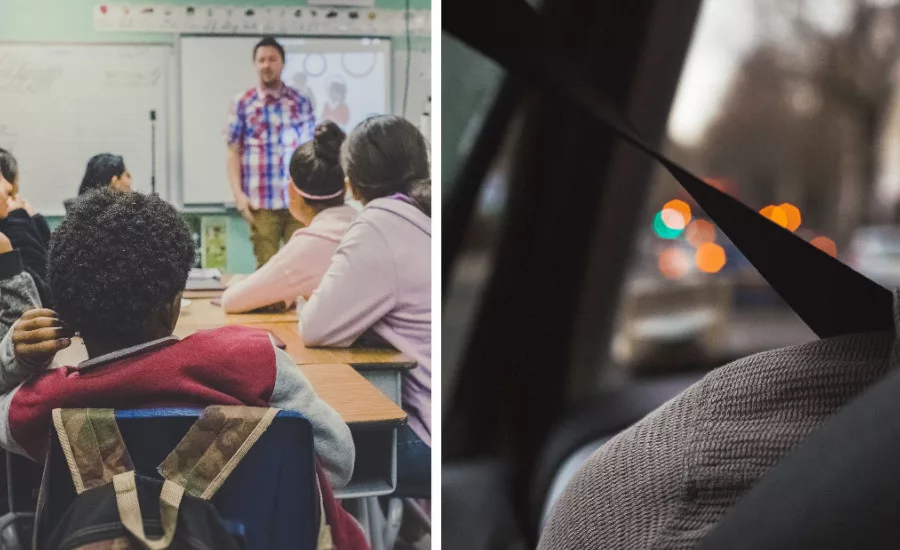
Image courtesy of Kenny Eliason and Sam Rudkin-Millichamp on Unsplash
As parents who want the best for our kids, we go to great lengths to make sure their living and playing spaces are safe from physical dangers. Furthermore, in this era of pervasive social media and easy access to graphical images, we [try to] watch over and limit their online activities to reduce the influence of harmful content.
Despite the protective vigilance of parents, there is a ubiquitous exposure that we neglect to consistently examine and manage – indoor air quality (IAQ) in schools. Most children spend 12% of their total waking time in classrooms, or even more if they attend social activities at school, yet many are being exposed levels of indoor air contaminants that can affect their health and ability to learn not only during childhood, but for the rest of their lives.
Children are especially vulnerable to harm from poor IAQ for two reasons
As children grow, their cells are dividing at rates much more rapid that those of adults. Absorption of airborne contaminants during growth phases can alter basic chemical reactions within individual cells.As a result, cells die, are impaired, or have dysregulated functioning that can manifest immediately in acute illnesses such as asthma or much later in life as chronic conditions involving respiratory, immunological, reproductive, central nervous, and digestive systems.
In addition to being more sensitive to airborne pollutants, children also have greater exposures because they both inhale a larger volume of air per unit weight and they draw this air into deeper regions of their lungs compared to adults. Given these factors, it is not so surprising that air pollution is correlated with children’s mortality rates. What is surprising is that environmental policies limiting airborne contaminants largely ignore pediatric physiology because they are based on studies of adult humans and animals. Children are not miniature grownups! Exposure to poor IAQ during developmental stages and changing growth patterns can result in lasting health and cognitive damage.


Once appropriate IAQ guidelines for children are established, schools should continually strive to maintain IAQ within these criteria.
During the COVID-19 pandemic, the American Rescue Plan and other funding sources made billions of dollars available for school HVAC upgrades, yet as of today over 60% of schools have not improved their ventilation systems.
What are the possible reasons for this?
- School building managers are already overworked
- The connection between health and IAQ is not clear enough to motivate people to act
- Funds are going to non-IAQ expenses
Creating visibility for the best solution: Test before you invest then take necessary steps to create and maintain IAQ for active students through real-time indoor and outdoor monitoring.
Holistic indoor and outdoor air monitoring should alleviate some of the bottlenecks that are preventing the use of available capital. Knowing the health impact of indoor and outdoor air quality guides proper intake of outdoor air when and where appropriate, identifies sources of unhealthy contaminates, and prevents unnecessary expenditures for system upgrades.
Visibility of conditions through comprehensive monitoring allows:
- Benchmarking the baseline condition of HVAC systems and the building envelope, allowing targeted renovation only when needed
- Identifying contamination from toxic chemicals previously used or dumped at the school site before widespread problems occur
- Guiding placement of outdoor air intakes away from known sources of traffic or industrial air pollution
- Identifying toxic building materials which are now banned but may exist unknowingly
- Revealing unhealthy cleaning practices that use products that can irritate lungs or cause other health problems
IAQ and School Funding
Not only are students and faculty impacted by poor IAQ, but inadequate indoor environments can also jeopardize school budgets. While regulations withing the US vary, many states make decisions on school funding based on the success of the educational institution as measured by student performance. The clear relationship between IAQ and school attendance, standardized test performance, and graduation rates makes proper building management essential. Good IAQ not only helps students succeed over their lifetimes, but supports achievement metrics that are a cornerstone of financial viability of K through 12 schools.
We have the technological ability to measure the health impact of IAQ and the tools to efficiently remediate when needed. If we genuinely love our children and want them to be successful throughout their lives, we also have a moral imperative to provide them with safe breathing air while they are at school.
Looking for a reprint of this article?
From high-res PDFs to custom plaques, order your copy today!