Maximizing HVAC Efficiency and Comfort: The Benefits of ASHRAE Guideline 36 Fault Detection and Diagnostics
Examining the value of ASHRAE Guideline 36 and fault detection and diagnostics (FDD) systems.
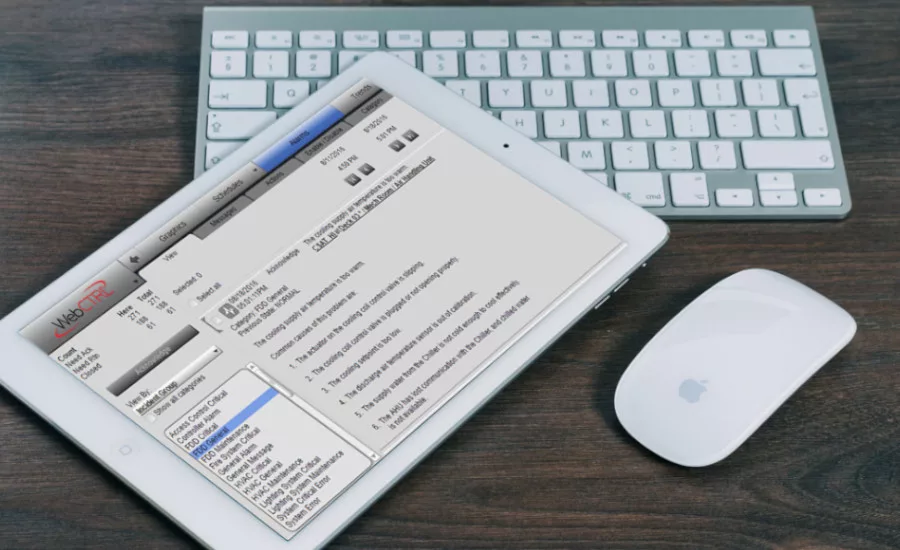
FIGURE 1. ASHRAE Guideline 36 is designed to help building owners and managers detect and diagnose faults in building systems, resulting in various benefits.
ASHRAE Guideline 36 and fault detection and diagnostics (FDD) systems are valuable tools for building owners and operators. Implementing these systems can bring numerous benefits, such as improving energy efficiency, increasing equipment life span, enhancing occupant comfort and IAQ, improving building performance, reducing maintenance costs, complying with building codes and standards, and increasing occupant satisfaction.
In recent years, buildings have become more complex with advanced systems and technologies integrated into their designs. This has made it increasingly difficult for building operators and facility managers to identify and address system faults before they become significant issues. Fortunately, ASHRAE has developed a guideline that provides a framework for effective FDD in buildings. This guideline, known as ASHRAE Guideline 36, can help building owners and managers detect and diagnose faults in building systems, resulting in various benefits.
ASHRAE Guideline 36, also known as “High-Performance Sequences of Operation for HVAC Systems,” provides guidance on the development and implementation of FDD systems for HVAC systems. This guideline is intended to improve the performance of HVAC systems, reduce energy consumption, and increase occupant comfort by detecting and diagnosing faults in HVAC systems.
The benefits of implementing ASHRAE Guideline 36 and FDD systems are numerous. This article will explore some of the key benefits of using ASHRAE Guideline 36 and FDD systems in HVAC systems.
Improved Energy Efficiency
One of the primary benefits of using ASHRAE Guideline 36 and FDD systems is improved energy efficiency. FDD systems can detect faults in HVAC systems resulting in energy waste, such as malfunctioning sensors, broken dampers, or clogged filters. By identifying these faults early, FDD systems can trigger corrective actions to restore system performance and reduce energy consumption. The result is lower energy bills and a more sustainable building operation.
Increased Equipment Lifespan
FDD systems can also help increase the lifespan of HVAC equipment. By detecting faults early, FDD systems can prevent minor issues from becoming more significant problems that can damage equipment. This reduces the need for costly repairs or replacements and downtime due to equipment failures. Additionally, FDD systems can help identify maintenance needs, such as dirty filters or worn belts, which can extend the life of equipment by ensuring that it is operating at optimal levels.
Enhanced Comfort and Indoor Air Quality
ASHRAE Guideline 36 and FDD systems can improve occupant comfort and IAQ. FDD systems can detect faults in HVAC systems that can affect IAQ, such as improperly functioning ventilation systems, faulty humidity controls, or dirty coils. By identifying these issues, FDD systems can trigger corrective actions to restore proper IAQ and ensure occupants are comfortable and healthy.
Improved Building Performance
ASHRAE Guideline 36 and FDD systems can also improve overall building performance. FDD systems can detect and diagnose faults impacting building operations, such as malfunctioning controls, failing equipment, or inadequate ventilation. By identifying these issues, FDD systems can help building operators make informed decisions about corrective actions and improve overall building performance.
Reduced Maintenance Costs
Implementing ASHRAE Guideline 36 and FDD systems can also reduce maintenance costs. By detecting faults early, FDD systems can reduce the need for reactive maintenance and increase the effectiveness of preventive maintenance. This can reduce the overall maintenance costs and improve the reliability of HVAC systems.
Compliance with Building Codes and Standards
ASHRAE Guideline 36 and FDD systems can help building owners and operators comply with building codes and standards. Many building codes and standards require that HVAC systems meet specific performance criteria and detect and correct faults. By implementing ASHRAE Guideline 36 and FDD systems, building owners and operators can ensure that their HVAC systems meet these requirements and avoid potential fines or penalties.
Increased Occupant Satisfaction
Finally, ASHRAE Guideline 36 and FDD systems can increase occupant satisfaction. By improving IAQ, reducing equipment downtime, and ensuring optimal building performance, occupants are more likely to be satisfied with their environments. This can increase productivity, lower absenteeism, and higher tenant retention rates.
In conclusion, ASHRAE Guideline 36 and FDD systems are valuable tools for building owners and operators. Implementing these systems can bring numerous benefits, such as improving energy efficiency, increasing equipment lifespan, enhancing occupant comfort and IAQ, improving building performance, reducing maintenance costs, complying with building codes and standards, and increasing occupant satisfaction. Therefore, building owners and operators need to consider the implementation of ASHRAE Guideline 36 and FDD systems to improve the performance of their HVAC systems and ultimately create a more sustainable and comfortable building environment.
Additional Resources
ASHRAE GUIDELINE 13-2015, SPECIFYING BUILDING AUTOMATION SYSTEMS
A guidance document to design, document, and specify building automation systems (BASs) with recommendations for good practice, project considerations, and detailed design options.
LinkedIn Group: High-Performance Sequences of Operation for HVAC Systems | GL36 | FDD
Introduction to and discussion of “High-Performance Sequences of Operation for HVAC Systems,” as described in ASHRAE Guideline 36-2018. This guideline defines best-in-class operation sequences for HVAC systems that help maximize energy efficiency, improve occupant comfort, and provide real-time FDD.
Articles
Why ASHRAE Guideline 36 is so important
This article discusses the importance of ASHRAE Guideline 36, which provides recommendations for maintaining HVAC systems in healthcare facilities. It highlights the need for proper maintenance to prevent the spread of airborne pathogens and maintain IAQ for the health and safety of patients, staff, and visitors.
Will ASHRAE Guideline 36 help the U.S. catch up to the rest of the world?
The article discusses the potential benefits of the ASHRAE Guideline 36, which aims to improve the commissioning of building systems. The article suggests that implementing this guideline could help the United States catch up to other countries in terms of energy efficiency and sustainability in building design.
This technical article discusses a deep dive simulation, including calculations, of ASHRAE Guideline 36-2018 prescribed high-performance sequences of operation for the VAV airside systems.
Videos
YouTube Webinar: ASHRAE Guideline36: Updates and Keys to Specifying
ASHRAE Guideline 36 – High-Performance Sequences of Operation for HVAC Systems – Steve Taylor
Editor’s Note: This article originally appeared on www.automatedbuildings.com. See the original post in its entirety at https://www.automatedbuildings.com/2023/04/04/maximizing-hvac-efficiency-and-comfort-the-benefits-of-ashrae-guideline-36-fault-detection-and-diagnostics.
Looking for a reprint of this article?
From high-res PDFs to custom plaques, order your copy today!