Winning the Bacteria Battle in Wastewater Treatment
The problem is, as wastewater facilities age, capacity and quality problems arise, the first instinct or practice is to immediately start planning for a CAPEX upgrade or expansion, however, many municipalities will simply not have the financial means to execute the strategy and will face compliance and capacity issues, which can results in fines. However, there are other options.
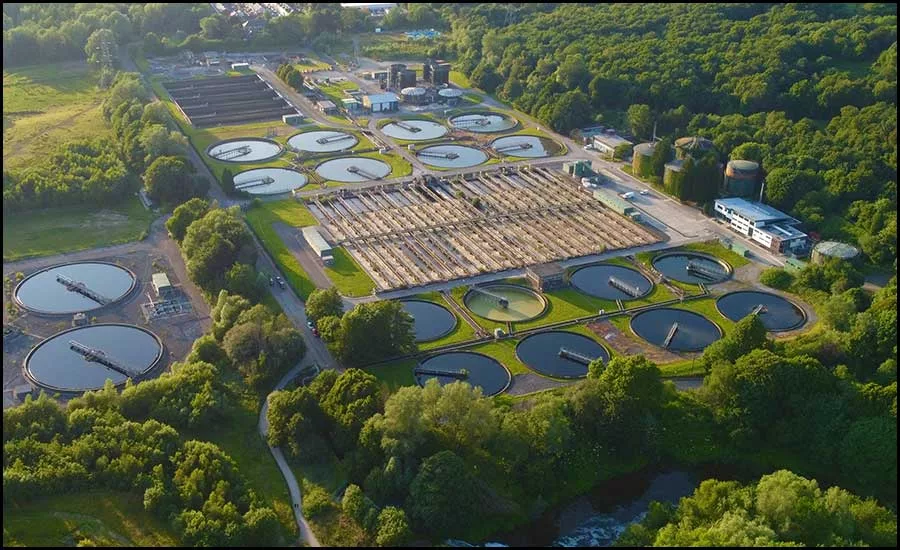
FIGURE 1. To understand the extensive benefits of microbiological technology vs. traditional high-CAPEX development, think in terms of the constant bacteria battle within wastewater facilities. Image courtesy of Izzet Cakalli/Pexels
All wastewater treatment plants (WWTP) require upkeep and reinvestment to maintain efficacy and efficiency, and these improvements, which require infrastructure and equipment investments, frequently require a substantial capital expenditure (CAPEX).
Innovative, cost-effective microbiological technology can reduce or eliminate CAPEX demands in many cases and enhance the quality of output, and radically improve plant performance. To understand the extensive benefits of microbiological technology vs. traditional high-CAPEX development, think in terms of the constant bacteria battle within wastewater facilities.
The Problem with CAPEX
When wastewater infrastructure reaches capacity, municipalities often leap to the “obvious” approach of expansion — which usually requires extensive CAPEX.
Physically expanding capacity is a resource-heavy endeavor. With costs adding up for construction materials and additional labor, CAPEX can quickly climb into the millions. In a post by Ian Tiseo on statista.com, he writes, “Capital expenditure on water, sewage, and other system utilities in the U.S. totaled $5.5 billion in 2019. Of this total, structure expenditure accounted for 3.8 billion U.S. dollars, while equipment expenditures totaled $1.7 billion.”
Even smaller WWTPs have extensive budget demands associated with plant renovation, expansion, and modernization. There are also ongoing expenses that arise from expanded infrastructure, including operational (e.g., energy) costs and future maintenance. In its “Process Design Manual for Upgrading Existing Wastewater Treatment” developed for the U.S. Environmental Protection Agency (EPA), published by Roy F. Weston Inc., it is cited that of a five million gallon-per-day (gpd) WWTP, the initial estimate to upgrade organic and hydraulic overloading — specifically to improve aeration, dissolution, and clarification (only a portion of the treatment process) — amounted to more than $700,000 in CAPEX costs, or $175 per 1,000 gpd of incremental upgraded capacity. This estimate did not include contingencies for engineering design, bonding, or construction supervision.
The unfortunate downside of an improvement like this is that it represents a static solution to a dynamic problem. The bacteria battle is continuous and will continue to push the limits of physical WWTP infrastructure. It’s not a matter of if another upgrade will be necessary in the future, but rather when the next CAPEX hit will arrive — and how long municipalities can stretch their infrastructure.
Bioaugmentation Maximizes WWTP Capacity
While CAPEX investments increase physical capacity, an advanced microbiological solution maximizes existing WWTP capacity and creates microbial communities that improve WWT efficiency with a strategic approach to the bacteria battle. The most effective weapon against indigenous bacteria is — natural, soil-derived, custom trained, and consistently delivered — bacteria. According to Bruce Rittman, environmental engineer and researcher at Arizona State University in Tempe since 1980, “Microbes work in an ambient, natural environment with no need for super-high temperatures or other strange, risky conditions. They can churn out marketable products that help defray the costs. And, best of all, he says, “they work pretty cheap.”
Traditional treatment approaches rely on forcing indigenous bacteria within the WWTP (e.g., human gut bacteria) to break itself down, which does not occur naturally. Instead, gut bacteria align with pathogenic and parasitic microrganisms to proliferate in the WWT environment. An advanced bioaugmentation system, such as the EBS-Di from EnBiorganic Technologies, uses bacillus soil bacteria to naturally break down organics. This soil-derived microbiology reduces biosolids by effectively targeting indigenous bacteria.
EnBiorganic’s advanced microbe consortiums have shown a winning record against indigenous bacteria, and its ill effects, including FOG, odor, energy inefficiency, and high CAPEX expansion requirements. Advanced microbiology, delivered as part of a technology as a service (TaaS) model, is a complete result for WWT challenges and the limited municipal budgets struggling to stay ahead of capacity concerns and associated CAPEX.
The Bacteria Battle
The bacteria battle is ongoing and dynamic, and the solution must be equally so. Advanced microbiology, continuously delivered, is a continuous return on investment for municipalities.
Utilizing an approach of a generator to grow, activate, adapt, and dispense soil-derived bacteria (i.e., bacillus) to reduce biosolids naturally will naturally offset the continuous flow of gut bacteria entering the WWT environment with a continuous delivery of good bacteria.
The ability to adjust to the bacterial profile of any WWTP gives this type of bioaugmentation a strategic advantage in the battle to maximize capacity and optimize results. Bioaugmentation nets municipalities lower energy costs, reduced sludge, FOG, and odor, and with its ability to proliferate throughout the wastewater system, a significant reduction in CAPEX expansion costs. Autonomous bioaugmentation makes wastewater treatment more effective, efficient, and sustainable — all while providing a higher ROI.
Winning the War on Waste
Facilitating more efficient wastewater treatment comes down to winning the bacteria battle. Municipalities can pour millions of dollars into infrastructure expansion with the expectation that their processes will keep up with capacity demands. Unfortunately, it’s a costly, temporary, and losing strategy.
For wastewater treatment success, municipalities need a guaranteed win with an efficient, cost-effective solution and the extensive benefits of an advanced microbiological approach to wastewater treatment.
Looking for a reprint of this article?
From high-res PDFs to custom plaques, order your copy today!