search
Ask ACHR NEWS AI
cart
facebook twitter instagram linkedin youtube
  • Sign In
  • Subscribe
  • Sign Out
  • My Account
  • NEWS
  • TECHNOLOGY
    • Heating & Boilers
    • Cooling & Chillers
    • Pumps & Flow Controls
  • SECTORS
    • Commercial
    • Health Care
    • Data Center
    • Educational Facilities
  • DESIGN | CONSTRUCTION
  • OTHER TOPICS
    • High-Performance Buildings & Automation
    • Ventilation and IAQ
    • Commissioning
    • HVAC Retrofits
  • TODAY’S BOILER
    • Today’s Boiler Archives
    • Today’s Boiler Digital Edition
  • MORE
    • Case Studies
    • Podcasts
    • Videos
    • Directory
    • Webinars
    • ES NEWS Store
    • White Papers
  • SIGN UP
  • Back to The NEWS
Engineered Systems NEWSHVAC Engineering TechnologyToday's BoilerHeating & Boilers

Effectively Using Drum-Level Instrumentation

Using and maintaining the water-level instrumentation on your boiler is of vital importance for the safety of your plant personnel and the longevity of the equipment in your plant.
By Jim Kolbus
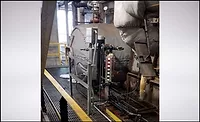
A typical water column, glass gage, and valves

Figure 1. A typical water column, glass gage, and valves. Optional double isolation valves can be used for security.

May 4, 2022

Using and maintaining the water-level instrumentation on your boiler is of vital importance for the safety of your plant personnel and the longevity of the equipment in your plant.

The ASME Boiler and Pressure Vessel Code has several sections that define the requirements for the water-level instrumentation applied to boilers that are constructed to this code. The relative codes are as follows:

• Section I: Rules for the Construction of Power Boilers Operated Above 15 psi;

• Section IV: Rules for the Construction of Power Boilers Operated Up to 15 psi; and

• Section VII: Recommendations for the Proper Care of Power Boilers.

In addition to these code references, your local jurisdiction inspector or insurance carrier can provide the necessary information for the minimum water-level instrumentation that is required for any typical boiler type in your specific location.

Most of you will likely be interested in boilers that operate above 15 psi. For these applications, ASME Sections I and VII provide a wealth of helpful information. For example, all boilers in this category must be equipped with at least one water gage glass. A gage glass is always a required instrument on these boiler applications, no matter how many water-level transmitters are installed. The gage glass is there to provide a ready reference for the operator. It can also be used as a referee in a situation when multiple remote level transmitters begin to disagree with each other and help to determine which instrument is operating accurately.

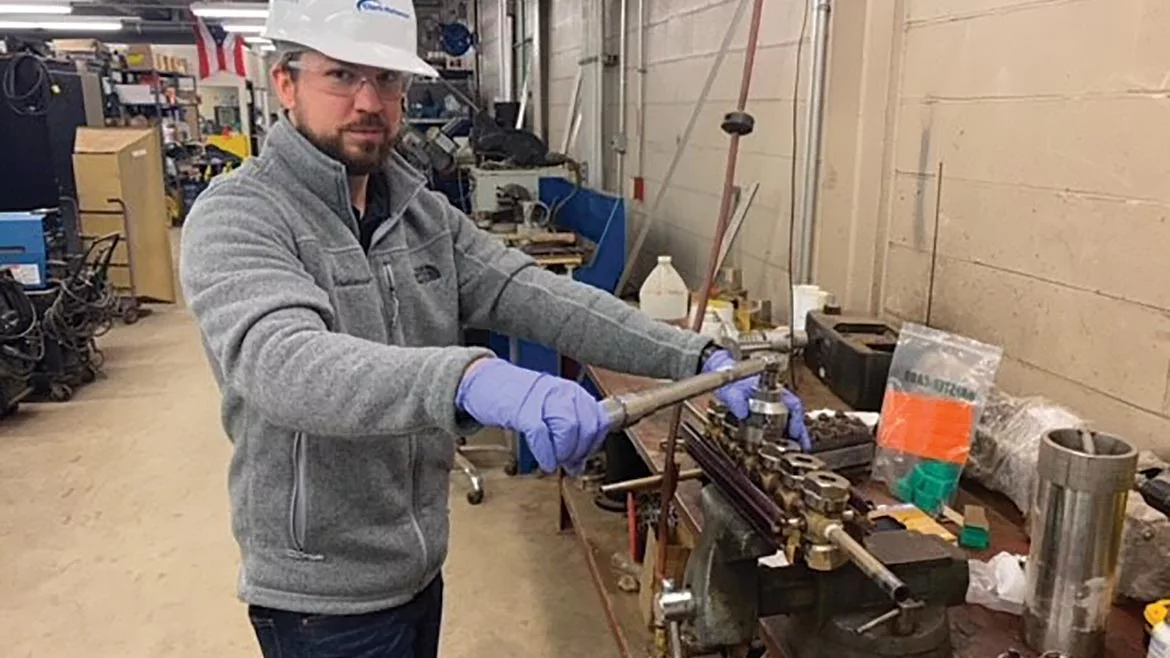
Figure 2: Servicing a water gage glass with a calibrated torque wrench.

Furthermore, these codes address the piping requirements for connecting these instruments to the boiler, including minimum pipe sizes, isolation and drain valve requirements, and many other details. It would be advisable for anyone responsible for operating, maintaining, or specifying boilers or level instrumentation to become familiar with these codes and the relative subsections for level instrumentation.

It is wise for maintenance personnel or operators to inspect their level instrumentation routinely. The identification and remedy of any concerns can affect safety. Even correcting a minor valve or missing insulation before problems arise are responsible remedies that may prevent more serious events. Steam production is a serious business. It should be respected and command the appropriate amount of attention from the personnel in the plant.

When it comes to the commissioning or servicing of these instruments, never guess. Several major manufacturers offer helpful information on their websites for proper procedures and detailed instructions.

Figure 3. Inspecting water-level instrumentation.

The use of appropriate tools and calibrated torque wrenches are another important step to conducting successful repairs. Be safe and devote the time to investigate how to do these repairs safely and correctly. Also, the original OEMs, or their representatives, will have access to the most current information.

From April 11-13 at the BOILER 2022 conference in Dallas, which is sponsored by the American Boiler Manufacturers Association (ABMA), Clark-Reliance will be conducting a detailed presentation in which our reps will discuss the proper application of these water-level instruments, including code violations and remedies. We encourage you to attend this exciting event that will gather many experts in the boiler industry. Please join us if you have a vested interest in steam boilers.

Share This Story

Looking for a reprint of this article?
From high-res PDFs to custom plaques, order your copy today!


Kolbus is product manager for Clark-Reliance Corporation.

Recommended Content

JOIN TODAY
To unlock your recommendations.

Already have an account? Sign In

  • HVAC-enrollment

    The Trades Are Back: HVACR Programs See Nearly 30% Enrollment Spike

    A new wave of future technicians is entering the pipeline.  
    Training and Education
    By: Matt Jachman
  • 2025 Top 40 Under 40

    2025 Top 40 Under 40 HVACR Professionals List

    The 11th annual Top 40 Under 40 list highlights those...
    News
    By: Hannah Belloli-Oster
  • LG Ductless Mini-Split Systems

    The 9 Types of Heat Pumps

    As the U.S. moves toward electrification, heat pumps are...
    Air Source Heat Pumps
    By: Joanna R. Turpin

More Videos

Today's Boiler

Spring 2026 Issue

Today's Boiler - Spring 2026 Cover

Read More from Today's Boiler

Case in Point Logo

Smarter Hydronic Design for Data Centers - Free Webinar - January 22, 2026

Related Articles

  • Clark Reliance

    Are Your Boiler Drum Level Instruments Measuring Up to the Latest ASME Code Requirements?

    See More
  • ported-type water gage installation

    Keeping your Boiler and Level Instrumentation Operating Safely

    See More
  • ABMA Logo

    ABMA Podcast Episode No. 14 — Do You Know the Water Level in Your Boiler?

    See More

Related Products

See More Products
  • TGW_Entry Level_cover.jpg

    Technician’s Guide & Workbook for Entry Level Tech's

  • cover

    Sheet Metal Level 3 Trainee Guide, 4th Edition

  • SH 2.jpg

    Sheet Metal Level 2 Trainee Guide, 3/e

See More Products

Events

View AllSubmit An Event
  • October 14, 2012

    Taking Energy Solutions to the Next Level: Selling Efficiency Effectively

    MSCA LIVE 2012's optional program, Taking Energy Solutions to the Next Level: Selling Efficiency Effectively,will highlight the true value of improving energy efficiency.
  • January 16, 2014

    Instrumentation for Water/Wastewater Operations, Course Code: EO0701CA14

    Do you know the whys and hows behind flow meters to pressure gauges and everything in between?
View AllSubmit An Event

Related Directories

  • Dwyer Instruments LLC

    Controls and gauges for pressure, flow, level and temperature.
  • PCE Instruments

    Explore PCE Instruments' wide selection of monitoring, analysis, testing and measuring instruments used to measure various parameters in the physical, electrical and chemical spectra.
×

Sign Up. Stay Informed.

The #1 trusted source for the HVACR industry since 1926

SUBSCRIBE
  • RESOURCES
    • Advertise
    • Contact Us
    • Advisory Board
    • Classifieds
    • Submit a Letter
    • Directories
    • Store
  • ACCOUNT CENTER
    • Create an Account
    • Start a Subscription
    • Manage My Account
    • Sign Up for Newsletters
    • Visit Customer Service
    • Update Preferences
  • SERVICES
    • Marketing Services
    • Reprints
    • Market Research
    • List Rental
    • Survey/Respondent Access
  • STAY CONNECTED
    • LinkedIn
    • Facebook
    • Instagram
    • YouTube
    • X (Twitter)
  • PRIVACY
    • PRIVACY POLICY
    • TERMS & CONDITIONS
    • DO NOT SELL MY PERSONAL INFORMATION
    • PRIVACY REQUEST
    • ACCESSIBILITY

Copyright ©2026. All Rights Reserved BNP Media, Inc. and BNP Media II, LLC.

Design, CMS, Hosting & Web Development :: ePublishing