Loss of Power Response Testing
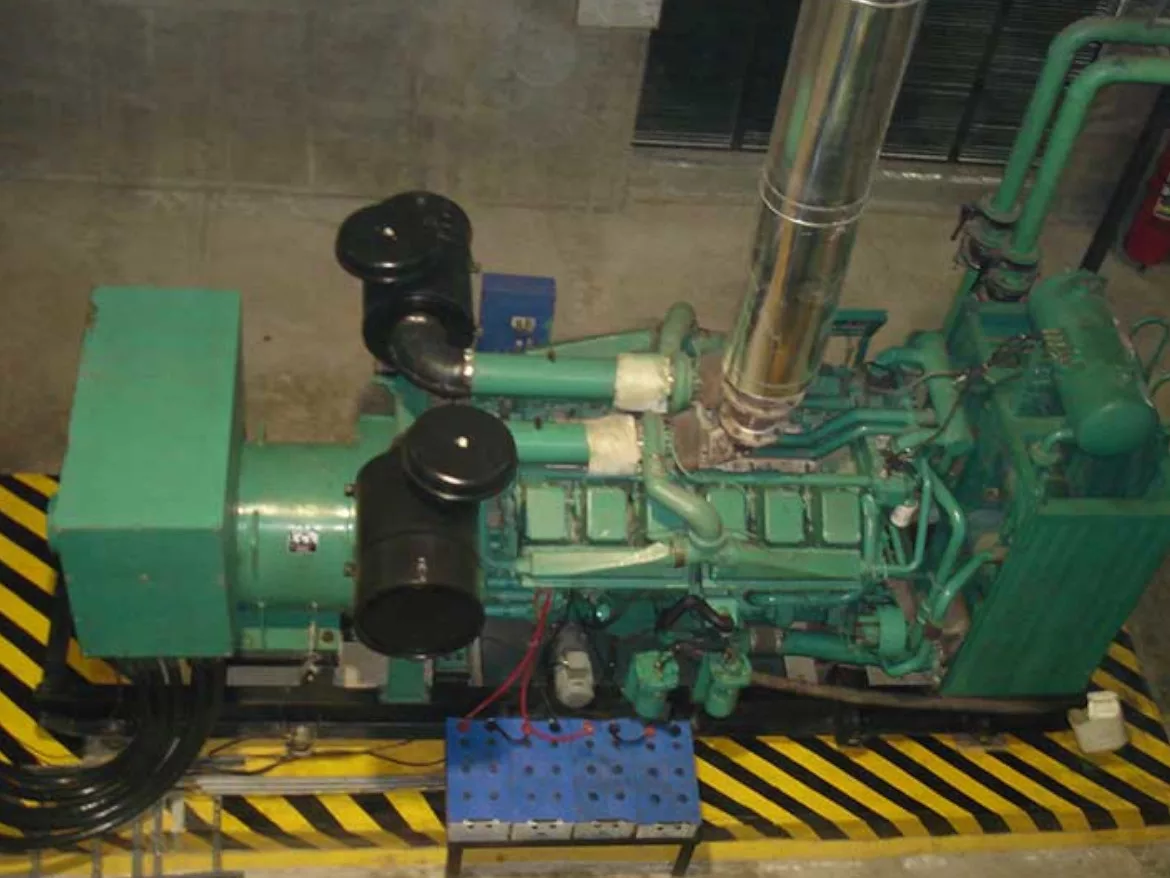
FIGURE 1: An indoor generator. Image courtesy of QSEng
If a building has an electrical generator for power outages, one of the most valuable commissioning tests will be the loss of power response (LOPR) test, also known as a pull-the-plug test. This is one of the last tests performed on a project and is a perfect example of an integrated systems test.
Despite the name, the LOPR test is more than just an electrical test. It involves all systems connected to the generator power supply, including life safety, lighting, security, HVAC, process equipment, computer rooms, etc. Electrical testing only can confirm the generator starts when utility power is lost and transfers power through one or more automatic transfer switches (ATSs) in a timely fashion. It can also confirm that electrical distribution from the main service properly returns to normal when utility power is restored.
The LOPR test, however, is necessary to verify that the generator power actually gets to every load it is intended to serve and that those loads operate as expected during and after the transfer to generator power. The central generator and ATS system is useless if the downstream parts of the systems do not perform reliably during a utility power outage. The owner would not have invested in the generator system if the loads served by it were not of critical importance. Therefore, testing the backup/emergency/life safety power system from end to end is imperative.
Without the LOPR test at the end of construction, performance issues (if any) will not present themselves until the first power outage. That’s usually a bad time for the owner to learn that a critical system or piece of equipment does not perform as expected under generator power.
Planning for and conducting an LOPR test is always a team effort. If it is simply a life safety generator system, the team might be limited to the electrical contractor, life safety contractor, owner’s operations staff, and commissioning professional. If the generator backs up elevators and/or HVAC systems, the team will grow to include the mechanical contractor, controls contractor, and elevator contractor. When other critical owner systems and equipment are served by the generator, the owner’s representatives on the team may include in-house departments, such as IT, security, medical equipment, data center, research, archives, etc.
The main reason LOPR is one of the last commissioning tests is because it is most meaningful if the equipment/systems are installed and started up, to the greatest extent practical, prior to the test. In addition, all of the HVAC and other system functional performance testing should be completed to confirm that these systems operate as intended on normal power. We only want to identify problems related to the backup/emergency/life safety power system during the LOPR.
On the day (or night) of the test, representatives of every load on the generator power system should be on-site to confirm proper operation of their equipment/systems when utility power is lost. They are not only the best judges of “proper operation,” but divvying up the verification work to many people will minimize the time required for the test. Keep in mind, when the LOPR is conducted, all building loads not served by the generator will have no electrical power.
As important as it is to confirm operation of all systems on generator power, it is also important to confirm that when normal power is restored, each served system/component continues operating properly during and after the transition back to utility power. This could make the duration of the LOPR test almost twice as long as checking operation only on generator power.
The LOPR can be a costly and disruptive test to conduct. Each building owner needs to perform his or her own risk assessment and cost/benefit analysis. Do they want to assume their new or modified backup/emergency/life safety power system will perform during the first utility power outage, or do they want to proactively verify its performance when the full project team is engaged to address any anomalies?
Looking for a reprint of this article?
From high-res PDFs to custom plaques, order your copy today!