The Need for Advanced Sensor Technology for VRF Refrigerant Leak Detection

Fig 1: VRF systems are ideal for hotels as they can provide heating and cooling functionality simultaneously across different rooms or zones in a building.
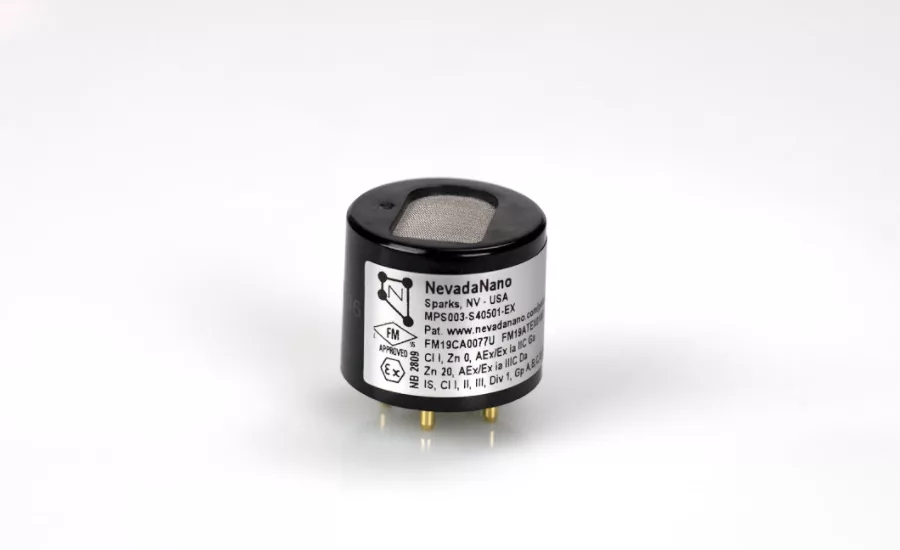
Fig 2: The MPS Refrigerant Gas Sensor comes in two different packaging options. The S4 IS, pictured above is hardened for commercial ATEX certified applications, and the cost-effective Mini targets residential applications.
Modern refrigeration systems have come a long way from their predecessors, and though the technologies are better and more reliable, they are still pressurized systems. As such, they can be prone to potentially hazardous leaks. In many instances, the leak may be barely detectable, but its effects are still damaging and costly.
Leaks & VRF Systems
Variable refrigerant flow (VRF) HVAC systems have been widely used globally over the past three decades but only found popularity in the U.S. in the early 2000s. The technology has many advantages, including:
- It is known for its energy efficiency;
- It is cost-effective and experiences a rapid return on investment;
- It can provide heating and cooling functionality simultaneously across different rooms or zones in a building;
- It can be scaled to meet the needs of a small residency all the way up to a large-scale commercial building;
- It is sleek and compact; and
- These systems are easy to install, particularly because no ductwork is required.
But, as with any pressurized refrigeration system, leaks can occur from a variety of sources within VRF systems. Most often, leaks are the result from improper installation, factory defects, mechanical wear from vibration, or physical damage. They can also develop due to standard wear and tear on the equipment over a period of time or after the equipment has suffered physical damage. VRF systems pose unique challenges when it comes to detecting leaks. They have long refrigerant lines and use flare fitting connections, which have a tendency to become loose if they are not properly torqued. This creates a large area in which leaks may occur.
Exposure to refrigerants can be incredibly hazardous to one's health. As such, even small leaks should be detected and mitigated quickly. Leaks are often odorless and tasteless, but can result in a myriad of health problems.
The range of symptoms depends upon the duration and type of exposure. For instance, exposure on the skin can cause nerve damage or frostbite while inhaling refrigerant gases can cause the more severe symptoms already noted.
In addition to health hazards, refrigerant leaks can be incredibly harmful to the environment. Many refrigerants have been linked to negative environmental effects, including ozone depletion and global warming. They can also be disastrous to local ecosystems and air quality.
Business Implications
The consequences of leaving a leak unaddressed can range from mild to severe. In addition to protecting employee, community, and environmental health, the impact of undetected leaks may have regulatory and financial consequences.
Because of the health and environmental hazards that leaks pose, new regulations restrict the use of refrigerants without leak detection. In the U.K., under F-Gas rules, systems require a mandatory leak test. EN 378-4:2008 Annex D provides information on when leak tightness testing should be conducted. The time between inspections will depend upon the size of the system and the quality of refrigerant it contains.
In the U.S., ASHRAE Standard 15 provides guidance how to treat VRF equipment. ASHRAE 15 limits the amount of refrigerant that can be considered safe in an enclosed environment and also requires a refrigerant monitoring system with an audible and visual alarm to alert the operator of a leak. The primary concern is that if a leak occurs in a small room, it is difficult to maintain safe levels.
And while there are no official federal regulations (yet) regarding refrigerants' treatment, many states and local municipalities have implemented their own standards. As a result, many companies that don’t monitor leakage or those that leave leaks unattended will face steep financial fines from local governmental entities.
In addition to fines, refrigerant leaks can cost the bottom line of a company dearly and in unexpected ways.
- Higher refrigerant expenses: Even small leaks can contribute to a loss of 20%-25% of refrigerant every year. Refrigerant is expensive, and constantly replenishing your stock can quickly add up.
- Higher operational costs: Leaks often make the compressor run more frequently, adding to the amount of power needed on an ongoing basis.
- Higher repair costs: Leaks can impair the equipment's ability to function normally. When refrigerant levels drop too low, the equipment can malfunction, leading to expensive repairs.
- Loss of revenue: Leaks can result in certain rooms or facilities becoming unusable, prompting a loss of revenue.
- Lawsuits: If a leak occurs and workers or non-employees are exposed or harmed, they may bring litigation against the company.
The penalties for violating international, federal, state, or local laws will likely continue to rise as climate change concerns grow. Therefore, prompt and accurate leak detection is the best way to manage risk, promote workplace safety, and save money in the long run.
Fast, Accurate Leak Detection
Innovative, application-specific design using advanced sensor technology makes refrigerant detection straightforward for installing modern, high-volume, high-efficiency HVAC systems.
For example, a new class of Molecular Property Spectrometer (MPS) Sensors for A1, A2L, and A3 gases provide a much safer and lower cost of ownership than traditional Pellistor and NDIR sensors.
- MPS sensors never require field calibration, regardless if they are installed within a fixed or portable instrument;
- They are immune to poisoning, even when they encounter high concentrations of dangerous gases or other common gases and vapors;
- Built-in environmental compensation for temperature, humidity, and pressure significantly reduce false positives in challenging work environments;
- Extremely wide environmental operating window: minus 40° to 75°C and between 0%-100% relative humidity extend their reliability.
- The sensors have achieved global approval, including exceptional performance in AHRTI recent tests.
The Molecular Property Spectrometer A2L Refrigerant Gas Sensor's transducer is a micro-machined membrane with an embedded Joule heater and resistance thermometer. The MEMS transducer is mounted onto a PCB and open to the surrounding environment. The presence of a flammable refrigerant gas causes changes in the thermodynamic properties of the air/gas mixture that are measured by the transducer and reported accurately to the user.
The MPS detector's average response time is under 5 seconds, ensuring dangerous conditions are reported immediately. It was the only detector in recent testing of "currently commercially available refrigerant detectors" that could pass 100% of the requirements, including those related to accuracy. There are next to zero false positives with the MPS sensor, and they are immune to poisoning.
Using this class of new sensor technology like MPS ensures leaks are detected and fixed quickly. The constant monitoring and responsive alerts work to keep the environment safe for anyone who might encounter the system. Ultimately, this can lower operational costs while providing greater consistency in performance, increasing safety in the workplace and ensuring compliance.
Looking for a reprint of this article?
From high-res PDFs to custom plaques, order your copy today!